Younger San Franciscans push for a sharper break after Pelosi
Nearly 1,400 people packed a SoMa nightclub for Saikat Chakrabarti, a sign that younger voters want a harder break from Pelosi-era politics.
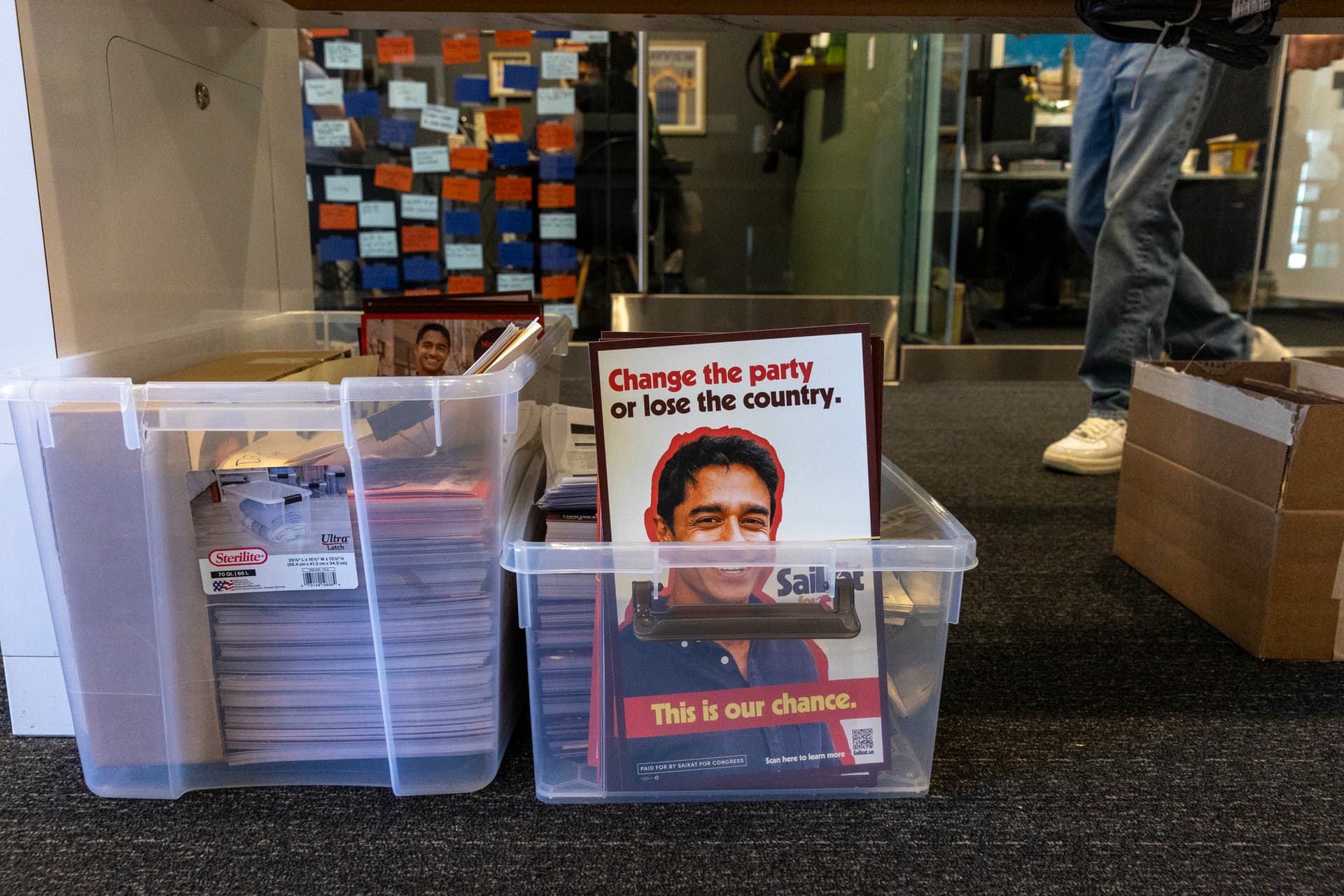
Nearly 1,400 people filled a South of Market nightclub in early May for Saikat Chakrabarti, turning a campaign rally into a test of whether San Francisco’s younger Democrats are ready to move sharply past the Pelosi era. Chakrabarti has cast that energy as proof that a younger bloc wants a more confrontational Democratic Party, one centered on Medicare for All, affordable housing and tougher resistance to the Trump administration.
The opening is striking because the seat is not open just on paper, but symbolically. Nancy Pelosi announced on Nov. 6, 2025, that she would not seek reelection in 2026, ending a run that began when she won a 1987 special election after Sala Burton’s death. California’s 11th Congressional District covers all of San Francisco except for a small southeastern section, and for the first time since Pelosi first won the seat, no incumbent is on the ballot.

That vacuum has created an unusually crowded and fluid race heading into the June 2 top-two primary. Ballotpedia listed nine Democrats and one Republican in the contest as of March 2026, while California’s Proposition 50 redrew congressional boundaries for 2026 through 2030 and added another layer of uncertainty. The leading names by attention and money are Chakrabarti, state Sen. Scott Wiener and Supervisor Connie Chan. Chakrabarti has put nearly $5 million of his own money into his campaign, while Wiener announced his run in November 2025 and quickly emerged as the likely front-runner because of his long San Francisco profile and his Sacramento record.
Wiener’s state Senate website says he represents San Francisco and northern San Mateo County and has authored more than 100 laws, a résumé built around housing and other legislation that has made him a familiar figure to city voters. Chan, meanwhile, remains in the mix for a second-place finish that could matter in November, especially if the race fragments along ideological and generational lines. The contest is already reading less like a standard congressional primary than a referendum on what kind of Democratic leadership San Francisco wants next.
For many younger San Franciscans, change means more than a new face in Washington. It means a cleaner break from the city’s old political establishment, a harder line on inequality, and less patience with incrementalism on housing, climate and student debt. Pelosi still commands respect for her long record, including her early work in the HIV/AIDS era, but the crowd that turned out for Chakrabarti suggests that a growing share of younger voters wants a louder, more insurgent politics, one that treats affordability and confrontation as a single project. The June 2 vote will show whether that mood can carry one of those candidates into November, and whether San Francisco is beginning to build its next political bench around that shift.
This article was produced by Prism’s automated news system from verified source data, official records, and press releases, then run through automated quality and moderation checks before publishing. The system is built and supervised by the people who set the standards it runs under. Read our full AI policy.
Did this article answer your question?