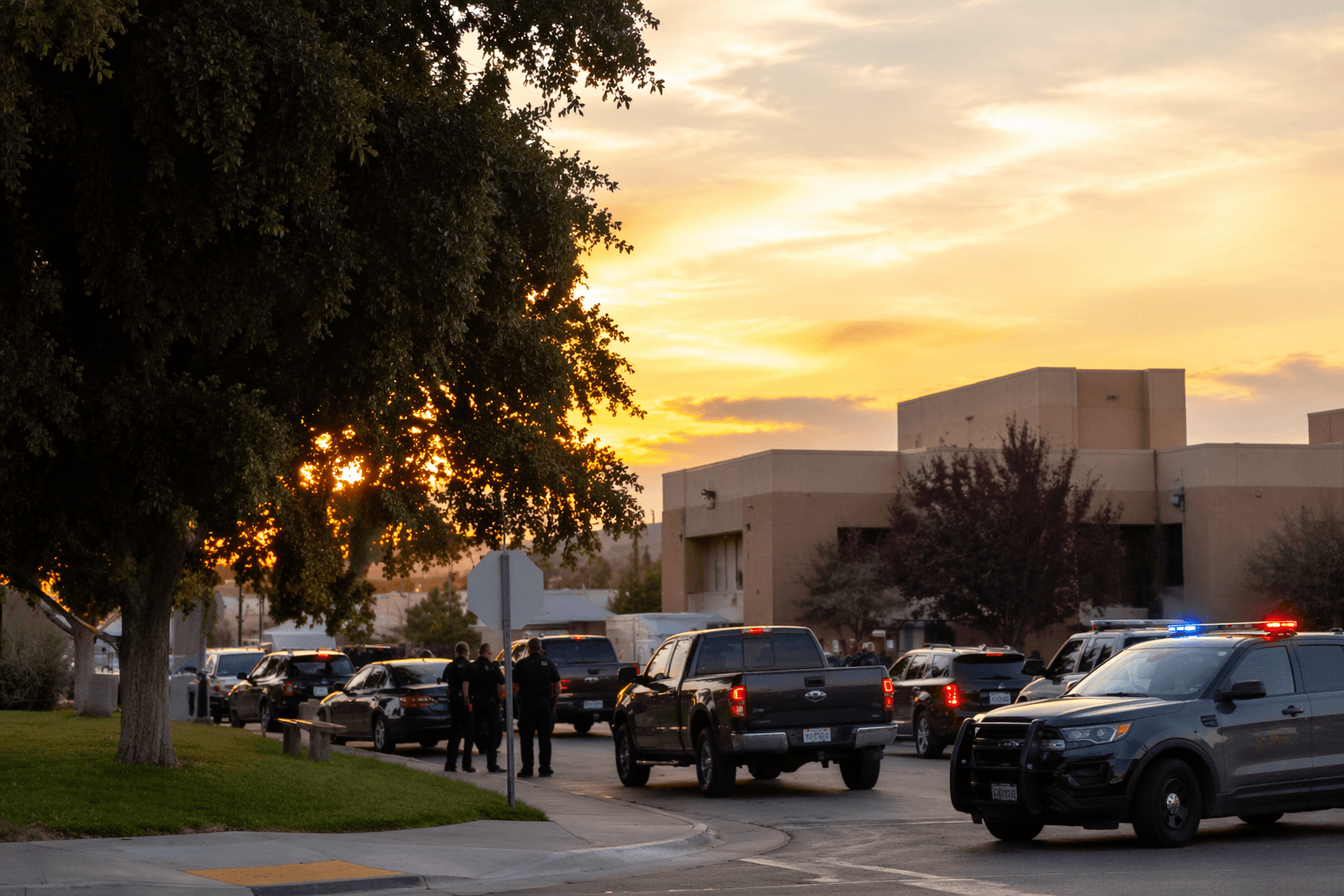
Aztec explains how city government works in San Juan County's seat
Aztec’s city commission sets policy, the city manager runs daily operations, and residents can see both at City Hall on 201 West Chaco Street.
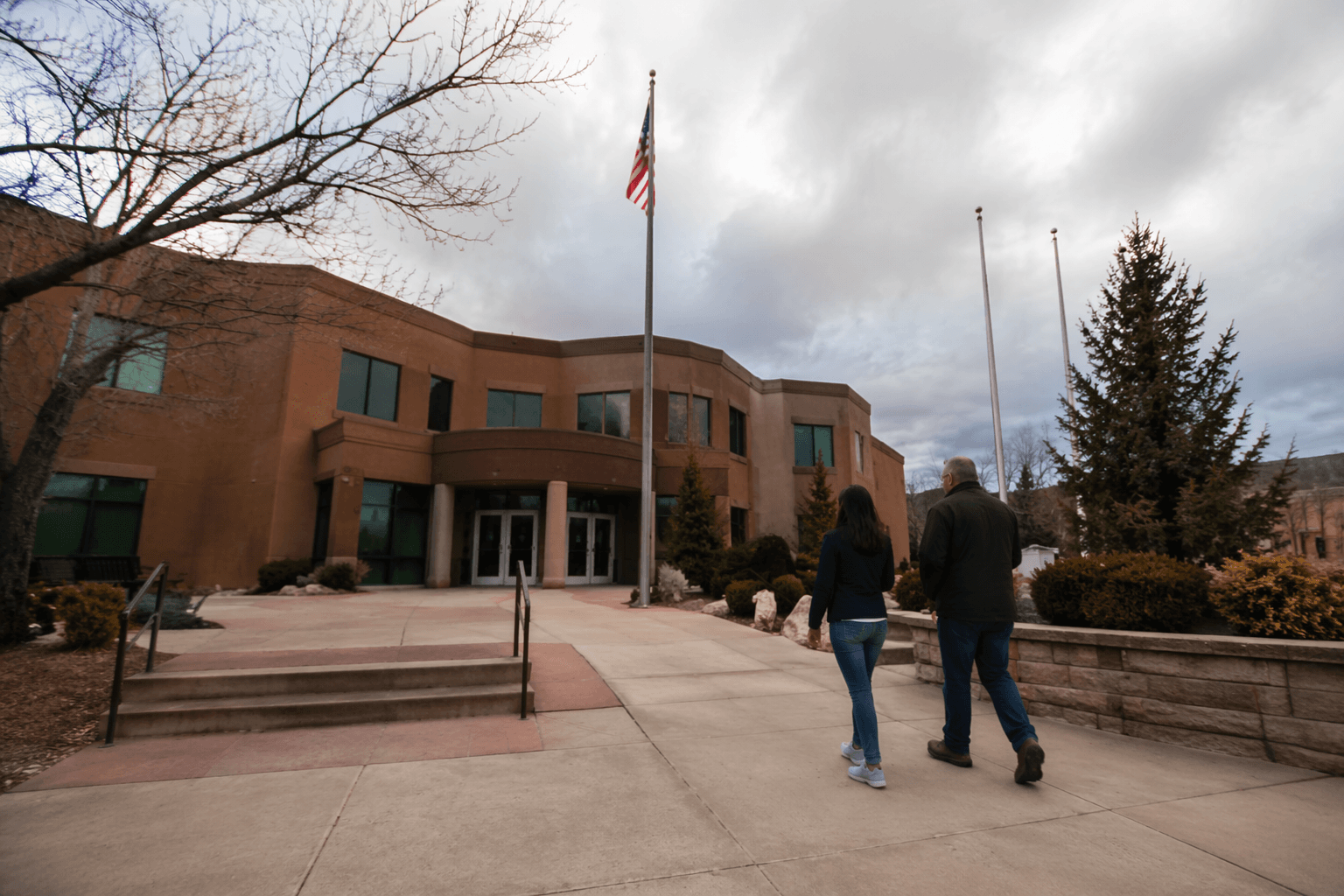
Aztec sits at the center of San Juan County government, and that gives its city hall a reach that goes well beyond municipal boundaries. The city uses a commission-manager form of government, so elected commissioners set policy while the city manager handles day-to-day administration, all from City Hall at 201 West Chaco Street.
Who decides what in Aztec
Aztec’s governing structure starts with five commissioners. They are elected by district but voted on at large under New Mexico law, which means the whole city participates in choosing them even though each commissioner comes from a district. The mayor is then selected from among those five commissioners at the first meeting, so the top leadership comes from inside the commission itself.
That matters because the commission is the public face of city power. It is where residents should expect decisions to surface about ordinances, land use, utility rules, service priorities, and the practical direction of city government. The city manager, by contrast, is appointed and is responsible to the commission for the efficient administration of city government, which creates a clear split between elected policy-making and professional management.
The municipal judge follows a different path. Aztec’s municipal judge is elected by the citizens of Aztec, and the municipal court operates in the Police and Municipal Court building in the main municipal complex. That gives residents another elected point of accountability inside the city system, separate from the commission and separate from the city manager.
Where public decisions happen
If you want to see Aztec government in action, the commission meeting schedule gives you a reliable place to start. Meetings are held on the second and fourth Tuesday of every month at 6:00 p.m. at City Hall, and workshops may begin earlier, sometimes between 5:00 and 6:00 p.m. That is the room where the city’s public business becomes visible, from policy discussion to the votes that shape city services.
The location matters as much as the calendar. City Hall at 201 West Chaco Street is not only the seat of municipal government, it is also one of the main public access points for the county seat itself. For residents, that means one address connects city administration, public meetings, and the broader civic life of San Juan County’s seat.
The city’s history adds weight to that continuity. Aztec was incorporated in 1908, and the city’s mayor archive traces a long list of mayors since that incorporation. In a place that has been governed for well over a century, the commission meeting is not just a formality. It is the place where the city’s present-day choices are made in public.
What city government actually handles
Aztec’s services page shows how broad city government really is. Residents deal with city hall through the city manager, clerk and human resources, business licenses, community development, electric, finance, library, motor vehicle, municipal court, parks and recreation, police, public works, utilities, the senior-community center, tourism, and trash and recycling. That list makes clear that city government is not limited to meetings and minutes. It touches daily life through power, roads, paperwork, courts, and public spaces.
The city code book shows the same reach in rule-making. Its chapters cover administration, oil and gas wells, solid waste and recyclables, utilities, land use, elections, and water conservation and drought planning. Those are the rules that govern how development happens, how waste is handled, how water is protected, and how the city responds when growth or drought puts pressure on local systems.
For residents, that means the commission and city staff are not abstract offices. They are the people and departments that handle the services behind the scenes when a light goes out, a trash route changes, a business needs a license, or a property issue turns into a zoning question. Police, public works, electric service, utilities, and community development are all part of the same civic chain.
How to use records, court, and meetings
Aztec also gives residents a formal path into city information through its public records process. The city’s public records page explains how to request inspection of public records and lists reproduction fees. That is especially useful when a resident needs permits, property records, policy documents, or other paperwork tied to city action.
The municipal court is another place where city authority becomes immediate and personal. Located in the Police and Municipal Court building at 201 W. Chaco St., it handles municipal matters inside the main municipal complex. Because the municipal judge is elected, the court is part of the city’s accountability structure, not just an administrative office tucked out of sight.
If you are trying to intervene effectively, the practical path is straightforward: go to the department that handles the issue, bring the matter to a commission meeting when policy or funding is involved, and use public records when you need the underlying documents. A police complaint, a utility problem, a zoning concern, a business-license question, or a trash-and-recycling issue each begins in a different part of city government, but the commission meeting is where those separate problems can become public priorities.
Why Aztec matters across San Juan County
Aztec’s role as county seat makes its government important to people who do not live inside the city limits. San Juan County had 121,661 residents in the 2020 census and an estimated 120,340 in 2025, far larger than Aztec’s 6,201 residents counted in 2020 and 6,091 estimated in 2025. Aztec’s 12.6 square miles of land hold a small city with outsized civic responsibility.
The county and city also sit inside a diverse region. San Juan County’s 2020 profile shows 44.0% American Indian and Alaska Native alone and 20.4% Hispanic or Latino, while Aztec’s 2025 profile shows 17.9% American Indian and Alaska Native alone and 18.6% Hispanic or Latino. Those numbers help explain why local rules on land use, water conservation, utilities, and public services matter so much in the Four Corners region.
Aztec’s civic life is also tied to place and history. The city points visitors to the San Juan County Historical Society on historic Main Avenue, and city materials note that dozens of structures are listed on the National Register of Historic Places and the New Mexico State Register of Cultural Properties. The city also identifies itself as home to the Great Kiva, linking municipal government, tourism, and cultural preservation in one compact county seat.
For residents, the bottom line is simple: Aztec’s commission sets the direction, the city manager carries it out, and the public can see both in action at City Hall on West Chaco Street. That is where local power becomes visible, and where county-seat decisions become daily reality.
This article was produced by Prism’s automated news system from verified source data, official records, and press releases, then run through automated quality and moderation checks before publishing. The system is built and supervised by the people who set the standards it runs under. Read our full AI policy.
Did this article answer your question?