Bisti and De Na Zin Wilderness Requires Visitor Preparedness, Local Oversight
The Bisti and De Na Zin Wilderness south of Farmington is a nationally recognized badlands area managed by the Bureau of Land Management, with no onsite services and unmarked routes that require careful preparation. This matters to San Juan County residents because changing conditions, public safety demands, and the area's scientific value create policy choices for local authorities and the federal land manager.
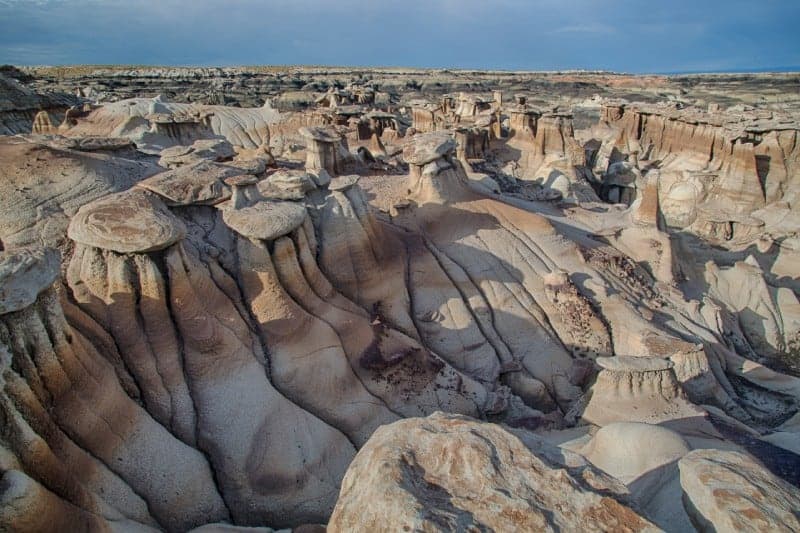
The Bisti and De Na Zin Wilderness draws visitors for its dramatic rock sculptures and hoodoos, but it offers no services and relies on visitors to navigate unmarked routes. The Bureau of Land Management manages access, seasonal guidance, parking points, and land use rules. Because conditions on the ground change with weather and visitor use, residents and visitors are advised to consult the BLM before traveling and to bring reliable navigation tools, ample water, and emergency supplies. Visitors must follow leave no trace practices.
The area is of high recreational and scientific interest for paleontology and geology, which amplifies the stakes for both conservation and local governance. The lack of onsite services increases the likelihood that county emergency resources will be called on for search and rescue, medical response, and recovery operations. Those potential demands carry budgetary implications for San Juan County and raise questions about how to coordinate with federal land managers on signage, parking management, and visitor education.
Institutional responsibilities are shared. The Bureau of Land Management sets land use rules and issues seasonal guidance, while the county is responsible for public safety and infrastructure that supports visitation. Decisions about funding for emergency services, public information campaigns, and any investments in managed access points are ultimately political choices that voters and their representatives must confront. Civic engagement during planning processes can influence how risks are managed and how scientific resources are protected.

For residents, the immediate impacts include both opportunity and responsibility. The wilderness brings tourism and outdoor recreation that support local businesses, but it also creates safety risks if visitors are unprepared. Protecting paleontological sites and fragile landscapes requires clear enforcement and public cooperation.
San Juan County leaders and the Bureau of Land Management face a policy balancing act between preserving a nationally significant landscape and ensuring public safety and accountability for costs borne by the local community. Before visiting, consult the Bureau of Land Management for current access details, parking locations, and seasonal advisories, and plan trips with conservative safety margins.
Know something we missed? Have a correction or additional information?
Submit a Tip