Dangerous heat and monsoon moisture to hit Four Corners midweek
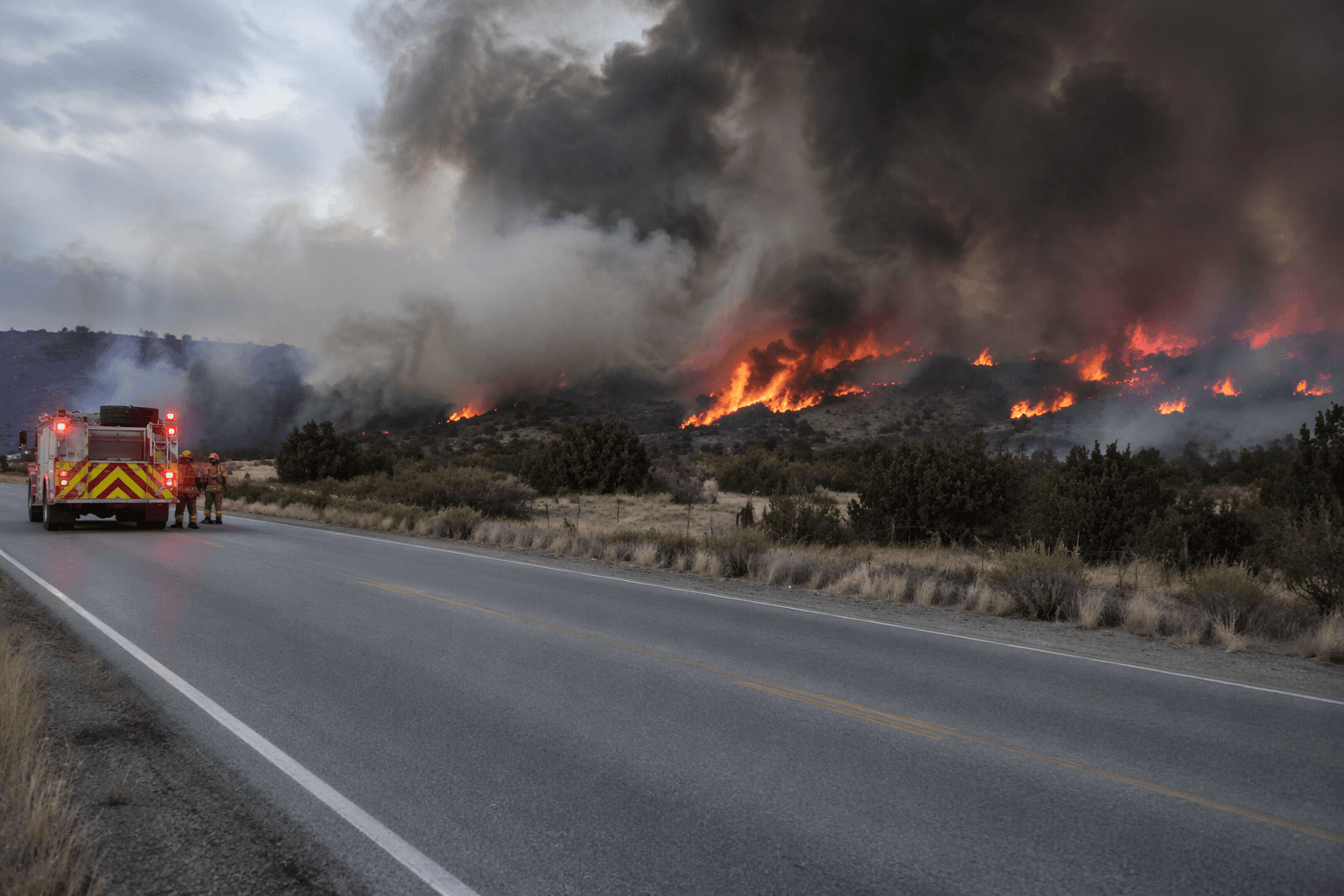
Farmington was headed for 97 degrees Tuesday as dry thunderstorms and gusty winds raised wildfire danger across San Juan County and the Navajo Nation.
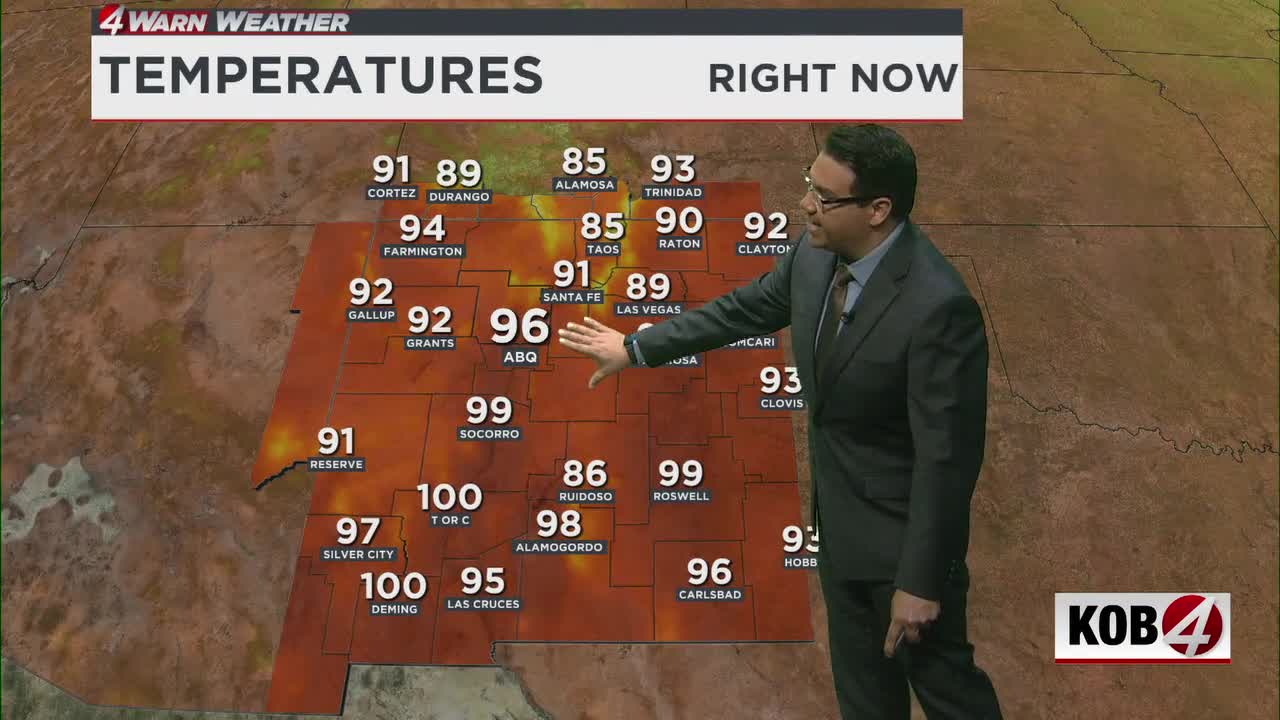
Farmington was headed for 97 degrees Tuesday, and the hot stretch across San Juan County, the Navajo Nation and the wider Four Corners was expected to last through Thursday as monsoon moisture began to build back into the region. The change offered some relief from the heat, but it also raised the risk of dry lightning, erratic winds and fast-moving fire starts.
That mix put ranch work, road travel, outdoor labor, ceremonies and recreation in the same danger zone from Farmington, Aztec, Bloomfield and Kirtland to Gallup, Chinle, Kayenta, Tuba City, Window Rock and Page. Lower-elevation communities could see temperatures in the 95 to 105 degree range.
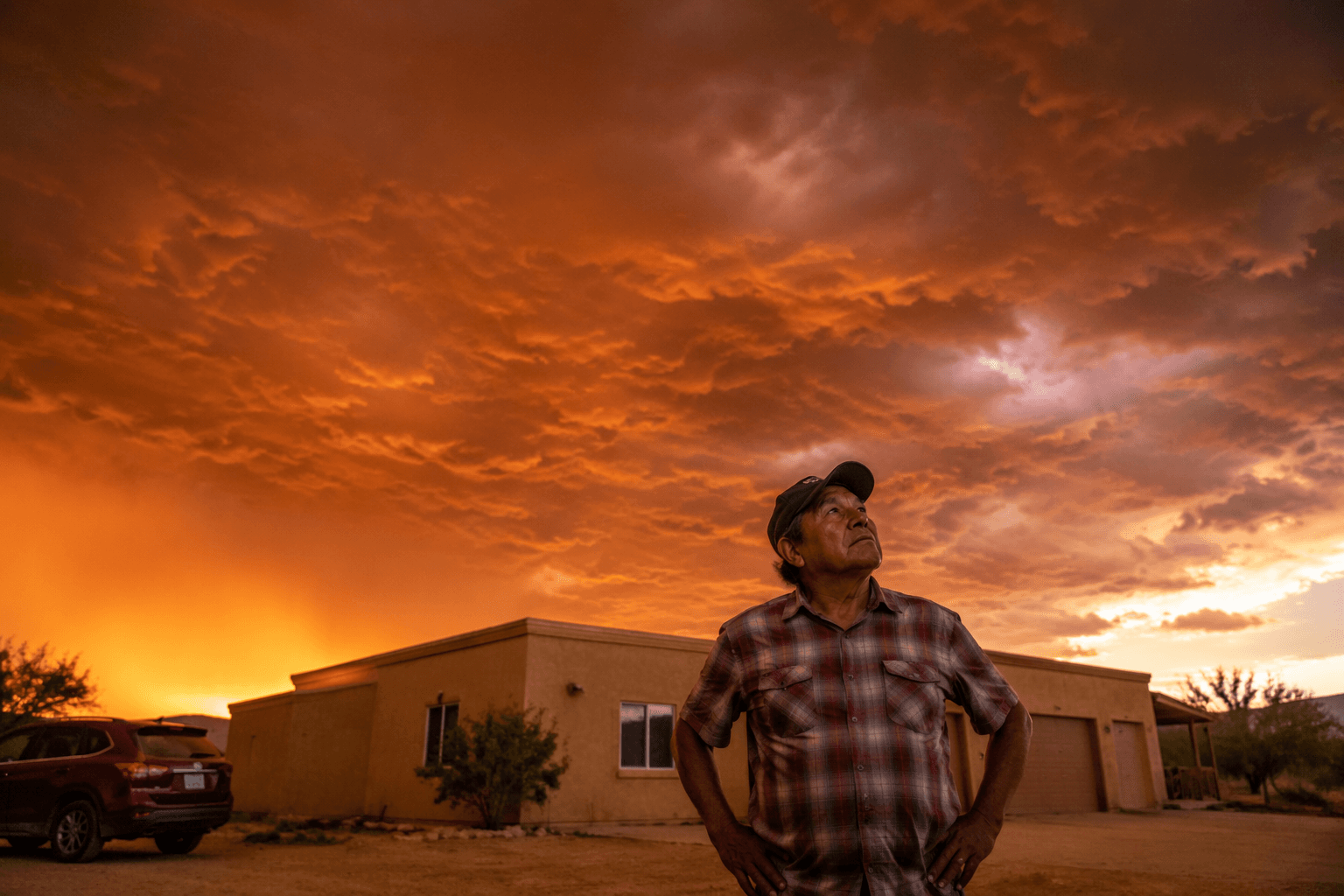
National Weather Service Albuquerque forecast virga and isolated dry thunderstorms that could produce abrupt, erratic gusty winds and dry lightning across western and central New Mexico from Wednesday through Friday. A marginal risk of severe storms existed Thursday across far northeast New Mexico. Even where storms brought a drop in temperature, they were not expected to deliver steady soaking rain, which left fire danger in place.
Farther west, an Extreme Heat Warning remained in effect through 7 p.m. Tuesday for the Grand Canyon below 4,000 feet. Daytime temperatures could reach 101 at Havasupai Gardens and 112 at Phantom Ranch, with hot weather continuing much of the week before drier and windier conditions returned by the weekend and critical fire weather conditions followed.
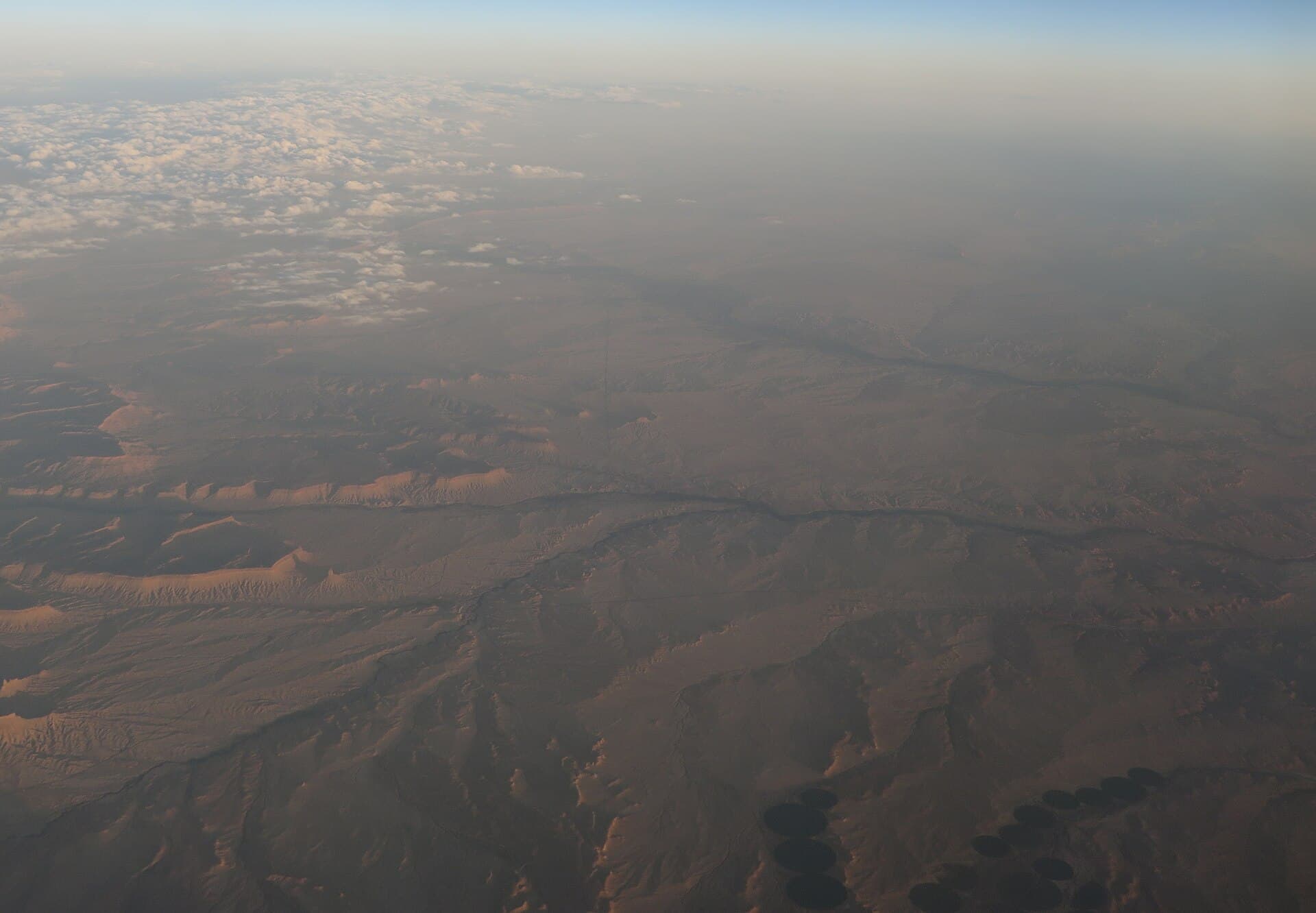
The Navajo Nation Commission on Emergency Management, with President Buu Nygren’s concurrence, declared a State of Emergency on June 9 because of severe and ongoing drought conditions, tying the response to about $6.55 million for water and agriculture infrastructure. Nygren’s office then put Stage I Fire Restrictions in place across the Navajo Nation on June 11, banning fireworks and open fires to reduce the chances that drought-stressed fuels would ignite.
This article was produced by Prism’s automated news system from verified source data, official records, and press releases, then run through automated quality and moderation checks before publishing. The system is built and supervised by the people who set the standards it runs under. Read our full AI policy.
Know something we missed? Have a correction or additional information?
Submit a Tip