Farmington Riverside Nature Center Hosts STEAM-to-Read Series for Families
The Riverside Nature Center launched its "S is for Science!" STEAM-to-Read program on January 1, offering a story-based session followed by hands-on experiments for children ages 4 and up. The weekly January sessions aim to boost early literacy and curiosity while providing a low-barrier learning space for local families.
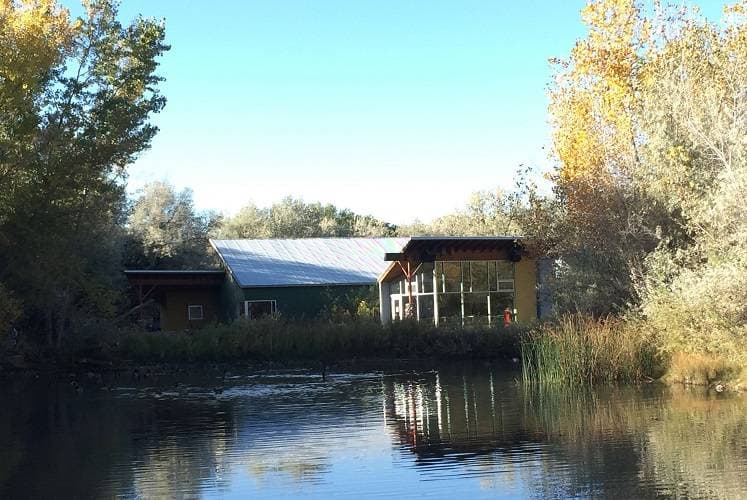
On January 1, Riverside Nature Center in Farmington hosted the first "S is for Science!" session of a new STEAM-to-Read program designed for children ages 4 and up. The 10:30 a.m. gathering paired a short story with family-friendly, hands-on science activities intended to spark curiosity and link reading with science, technology, engineering, arts and mathematics concepts. Additional weekly sessions were scheduled throughout January to provide continuity and repeated exposure for young learners.
The program is operated by Riverside Nature Center and is listed on the city of Farmington events calendar. Sessions combine storytelling with guided exploration activities so children can practice emergent literacy skills while engaging in sensory and problem-solving tasks. By embedding simple experiments in a narrative framework, the series aims to make STEAM concepts accessible to preschool and early elementary children and to encourage caregiver involvement in learning.
Local public health and education experts emphasize that early literacy and hands-on learning are important components of healthy child development. Programs like STEAM-to-Read help build language, memory and executive function skills that support school readiness. For families, these free-form, community-based offerings also provide social connection and supervised learning environments that can ease caregiving burdens and support parents who may lack access to other early childhood programs.
The community impact extends beyond individual skill-building. Regular, accessible programs held at public venues help mitigate inequities in informal learning opportunities by providing low-cost or no-cost enrichment in neighborhood settings. Consistent scheduling through January creates predictable access for families who need reliable activities, which can be especially important for households balancing work, transportation and caregiving responsibilities.

Operational considerations for sustaining programs like this include staffing, materials, outreach to underserved neighborhoods and coordination with local schools and health services. Local policymakers and funders can strengthen such offerings by prioritizing early childhood learning in budgets and by supporting partnerships between nature centers, libraries and public health agencies. Embedding early literacy and STEAM engagement within public programming aligns with broader goals to address social determinants of health and educational opportunity.
Families seeking session times, registration details or accessibility information can contact Riverside Nature Center or consult Farmington’s events calendar for the most current information on dates and participation requirements. As the series continues through January, organizers and participants will be able to assess turnout and identify ways to expand access in the months ahead.
Know something we missed? Have a correction or additional information?
Submit a Tip