Five years after Ella Mae Begay vanished, suspect leaves custody
Five years after Ella Mae Begay vanished near Sweetwater, the lone man charged in the case was out of federal custody, deepening grief on a painful anniversary.
Five years to the day after Ella Mae Begay disappeared from her home near Sweetwater, Arizona, the only man charged in connection with the case was no longer in federal custody. For Begay’s family, the timing turned a pending criminal case into another painful marker of how long the search for answers has lasted.
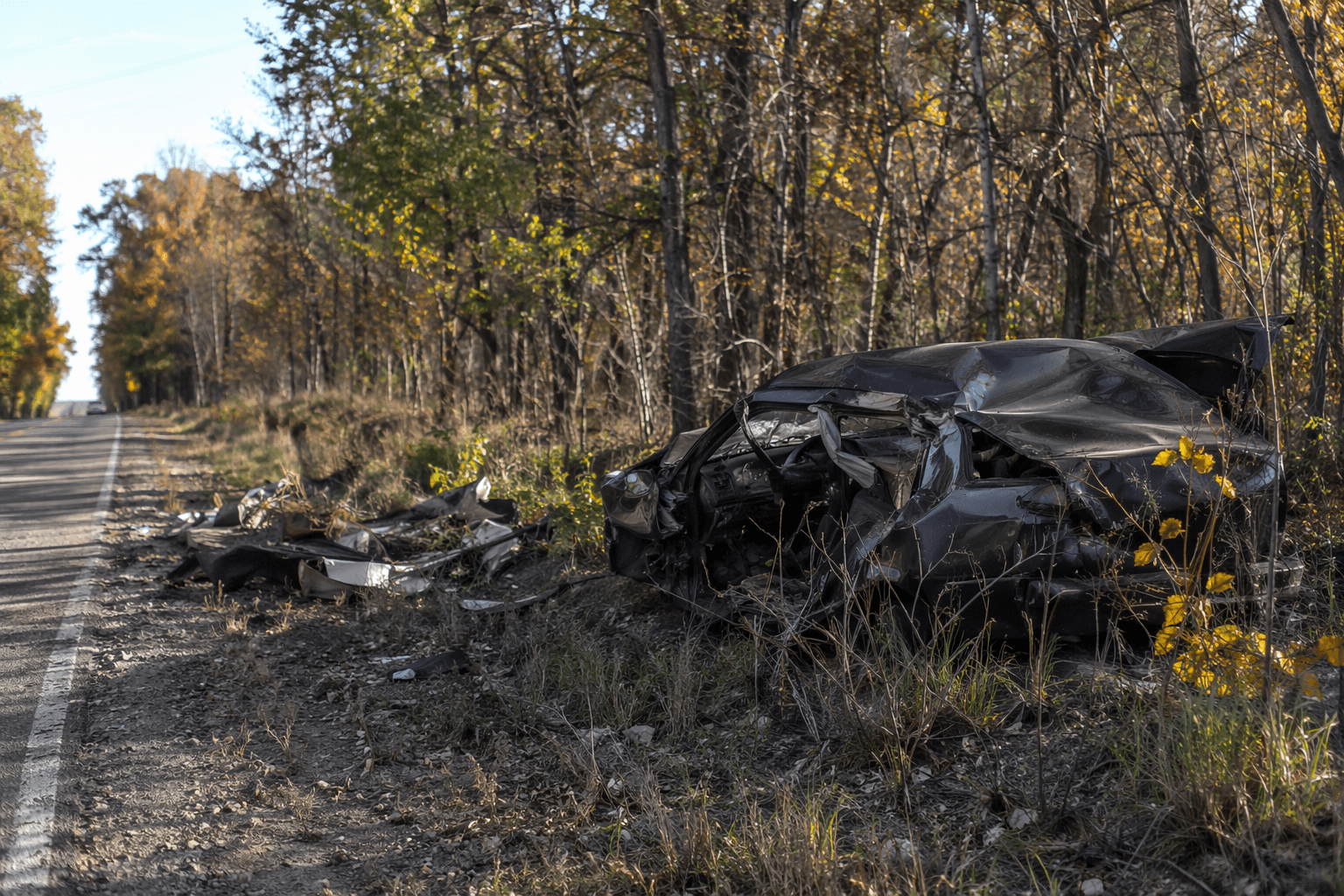
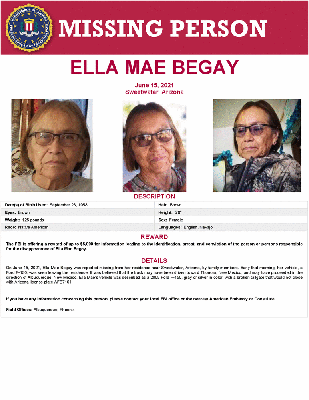
Begay was reported missing on June 15, 2021, from her residence near Sweetwater. The FBI said her Ford F-150 was seen leaving the home early that morning, and investigators believed it may have been driven toward Thoreau, New Mexico, and possibly on to Albuquerque. The bureau’s poster lists Begay as Native American, born Sept. 28, 1958, 5 feet tall and 125 pounds, and says a reward of up to $5,000 remains available for information leading to the identification, arrest and conviction of those responsible.
Federal prosecutors in Phoenix indicted Preston Henry Tolth, 23, of New Mexico, on March 14, 2023, on two counts: assault resulting in serious bodily injury and carjacking resulting in serious bodily injury. The Justice Department said the grand jury alleged the crimes happened on or about June 15, 2021, and that Tolth took Begay’s Ford F-150 and transported it across state lines.
The case has already faced major courtroom setbacks. In September 2025, the Ninth Circuit Court of Appeals upheld suppression of statements Tolth made after investigators kept questioning him after he invoked his right to remain silent. That ruling narrowed what prosecutors can use as the case moves forward and underscored how evidentiary fights have shaped the path of a disappearance case that has never reached a final resolution.
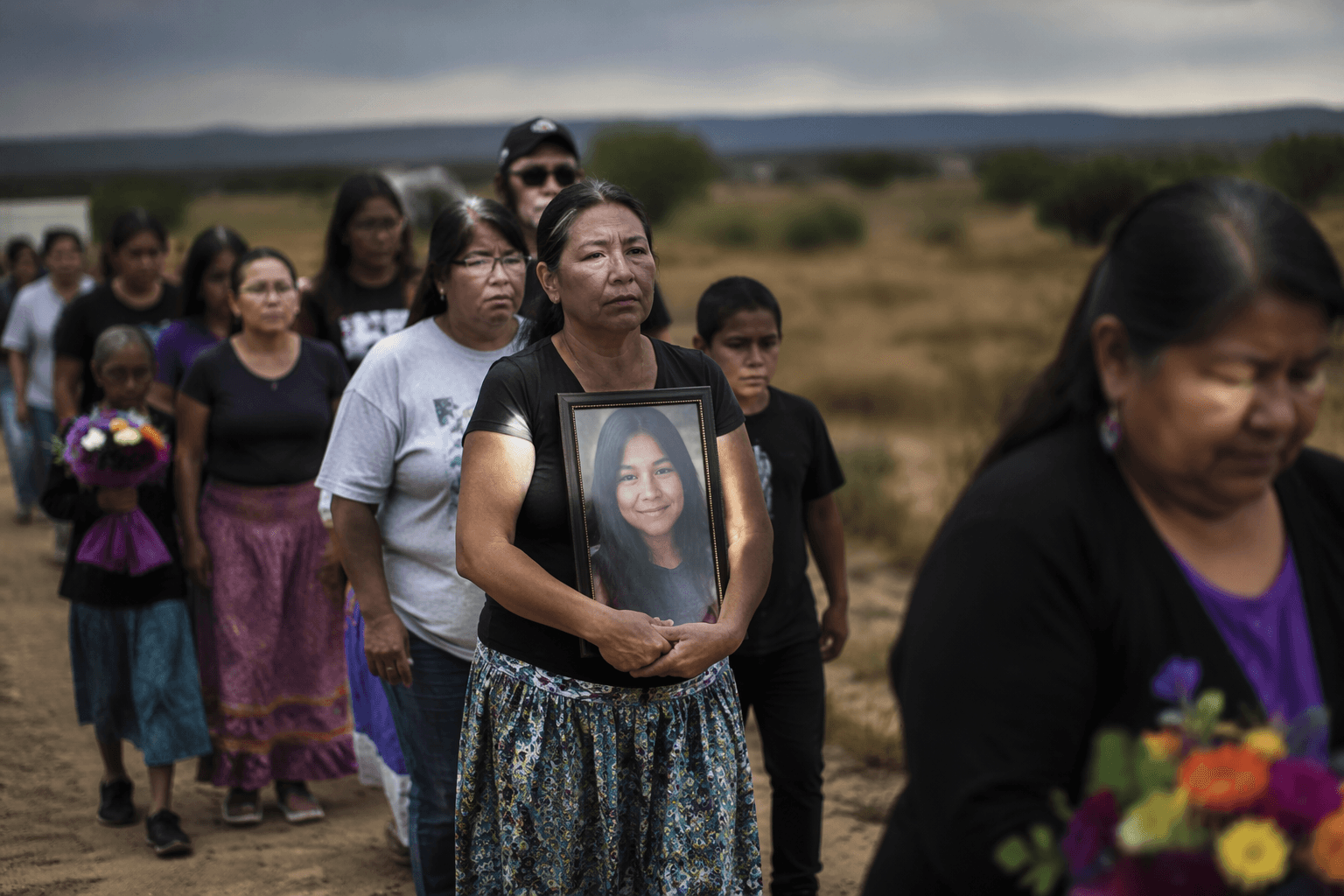
Begay’s family turned quickly to public advocacy after she vanished. Seraphine Warren staged a walk to Window Rock on July 20, 2021, to raise awareness about Begay and about Missing and Murdered Indigenous People, a crisis that continues to affect Navajo families across Arizona, New Mexico and Utah. In communities that follow reservation justice closely, including San Juan County, the case has become a measure of how slowly missing-person investigations can move and how sharply each legal development can reopen grief instead of easing it.
The FBI still lists the case as open, and the reward remains active. For Begay’s relatives, the question is not just where she went, but whether the system built to investigate her disappearance can still deliver answers after years of delay, courtroom challenges and unfinished search efforts.
This article was produced by Prism’s automated news system from verified source data, official records, and press releases, then run through automated quality and moderation checks before publishing. The system is built and supervised by the people who set the standards it runs under. Read our full AI policy.
Know something we missed? Have a correction or additional information?
Submit a Tip