Supreme Court to Hear ExxonMobil, Suncor Appeal Seeking to Block Boulder Suits
The U.S. Supreme Court agreed Feb. 23, 2026 to hear ExxonMobil and Suncor Energy’s bid to block a Boulder, Colorado state-court lawsuit seeking unspecified monetary damages for climate-mitigation costs.
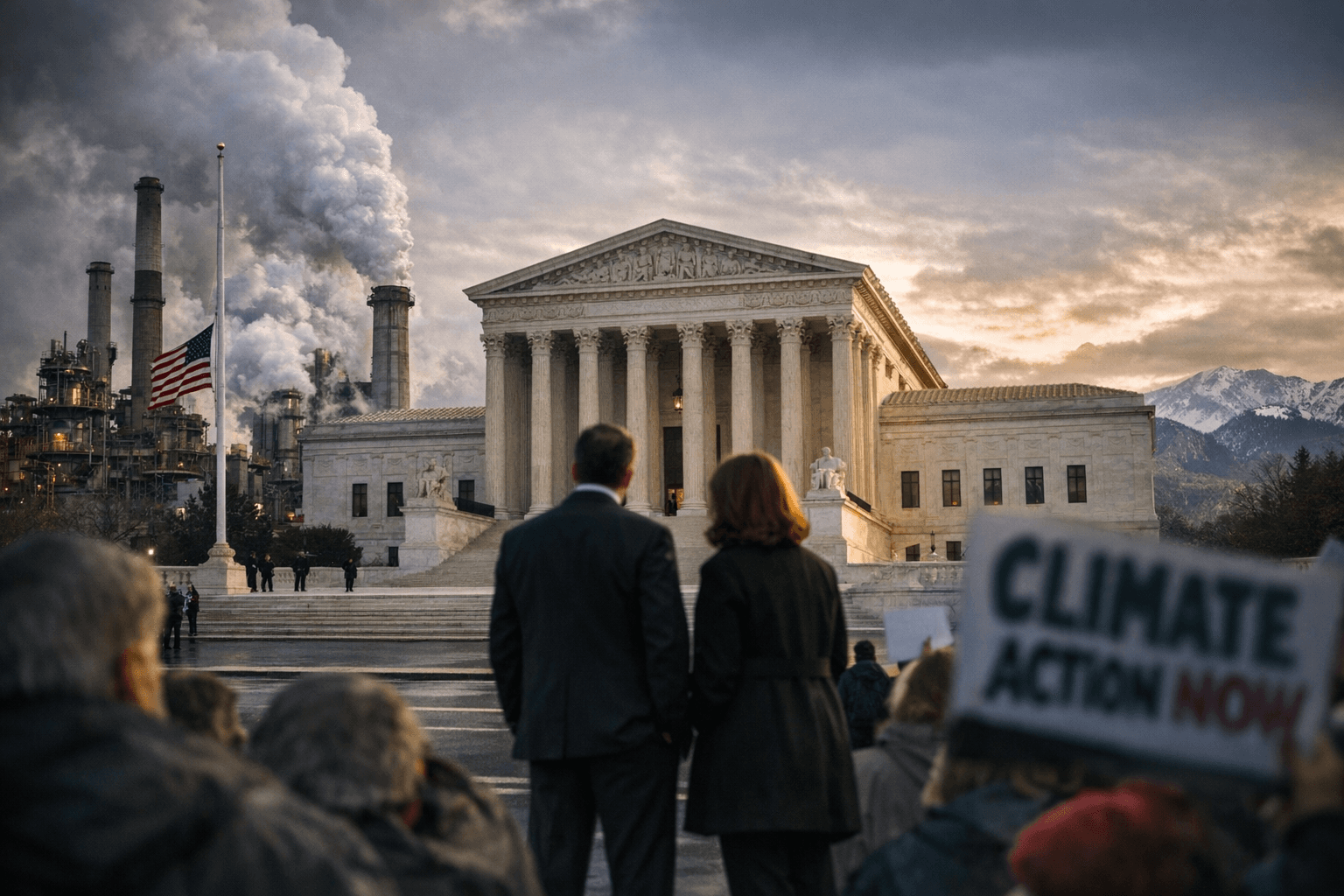
The U.S. Supreme Court on Feb. 23, 2026 agreed to hear an appeal by ExxonMobil and Suncor Energy asking the justices to block a state-court lawsuit brought by the City and County of Boulder, Colorado that seeks unspecified monetary damages to cover local costs tied to climate change. The companies appealed after the Colorado Supreme Court in May 2025 refused to halt the case.
Boulder’s complaint seeks money to cover past and future mitigation costs that plaintiffs have described as infrastructure repairs, environmental remediation, emergency management and public-health harms tied to wildfires, storms and other climate-driven damage. Nearly 60 state and local governments have filed similar suits around the country, and the companies contend that allowing these cases to proceed could expose the industry to very large liabilities.
In briefs filed with the justices, the companies warned of vast financial exposure, arguing that “The damages in even one case could potentially reach into the billions of dollars; and there are thousands of other local governments that could bring their own actions.” The companies also urged dismissal in lower courts on preemption and forum grounds, asserting that state-law suits would improperly intrude on federal regulation of greenhouse gas emissions under the Clean Air Act and belong in federal court.
Attorneys for the companies framed the issue in broader policy terms, writing that “The use of state law to address global climate change represents a serious threat to one of our Nation’s most critical sectors.” Boulder’s legal team pushed back, arguing the case belongs in state court and that states may address in-state harms caused by out-of-state conduct; Boulder attorneys told the courts that “There is no constitutional bar to states addressing in‑state harms caused by out‑of‑state conduct, be it the negligent design of an automobile or sale of asbestos.”
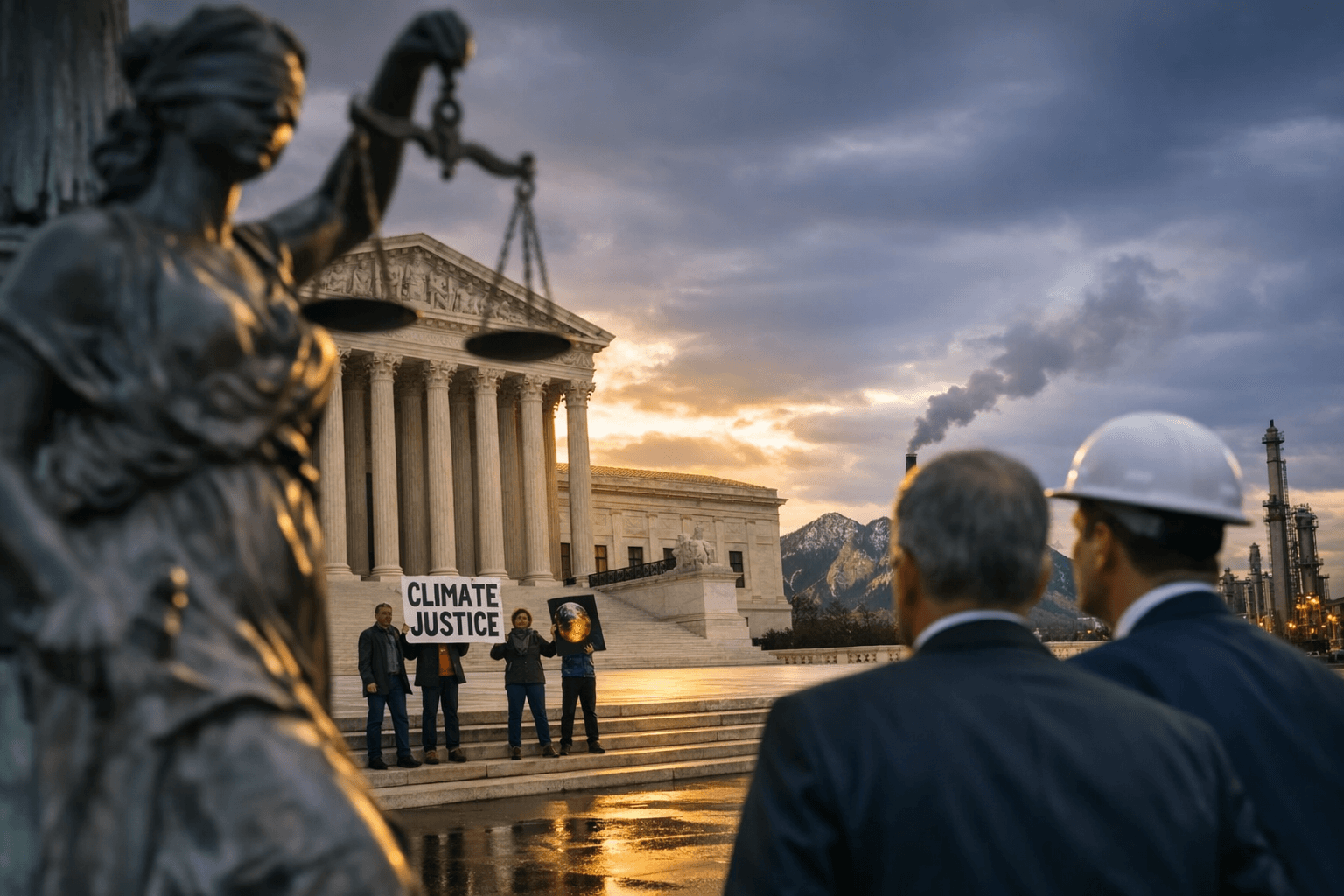
The Supreme Court’s order accepting review directed the parties to brief whether the case is ripe for high court review and added a separate question about whether the Supreme Court has the authority to hear the matter. The justices set a briefing schedule and indicated they expect to hear arguments in the fall of 2026. The Court’s procedural decision is a preliminary win for the companies; it takes the vote of four justices to accept such petitions, and the Court rejected similar industry petitions twice in 2025 while issuing a narrow procedural win for energy companies in 2021.
The Trump administration has intervened in related litigation and has backed the companies’ position in filings, including preemptive federal actions last year aimed at blocking suits in Hawaii and Michigan. With dozens of municipal and state suits pending, the high court’s eventual ruling will determine whether state courts remain an avenue for local governments seeking compensation for climate-related costs or whether federal law and federal forum rules will largely foreclose those claims. Arguments expected in fall 2026 will mark a key turning point for that legal and fiscal question.
Know something we missed? Have a correction or additional information?
Submit a Tip