Albuquerque water utility switches to backup supply amid river shortages
Albuquerque's utility has shifted to a backup supply as the Rio Grande ran dry weeks early, raising summer reliability concerns across the region.

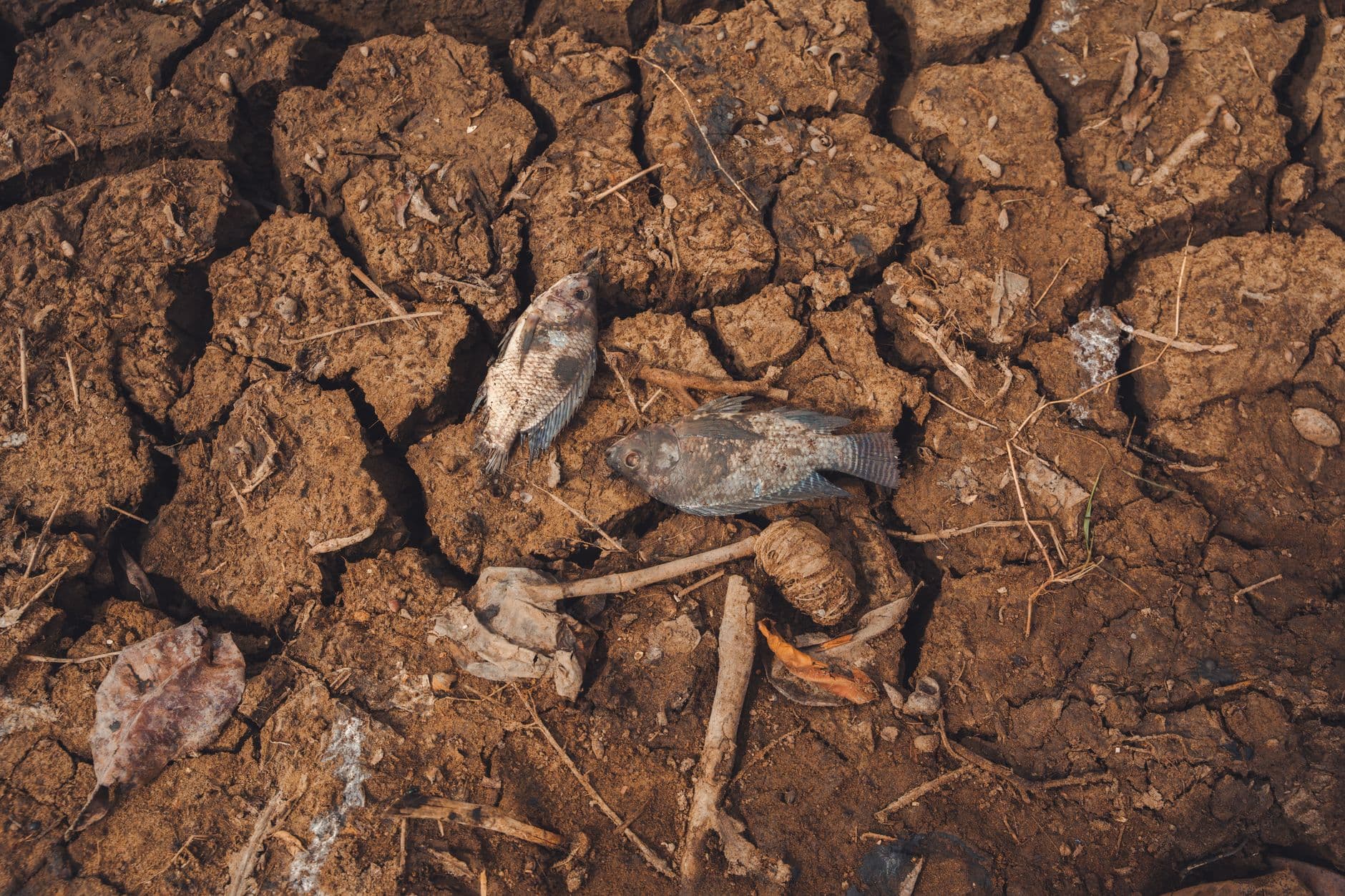
The Albuquerque Bernalillo County Water Utility Authority switched to a backup water-supply option as the Rio Grande ran dry in Albuquerque earlier than usual this summer.
Albuquerque and Bernalillo County normally rely on groundwater from the Santa Fe Group Aquifer and surface water from the San Juan-Chama Drinking Water Project, which together produce about 32 billion gallons of drinking water a year for the service area. The San Juan-Chama project, completed in 2008, ended Albuquerque’s sole reliance on an overtaxed aquifer by bringing in surface water from the Colorado River basin.
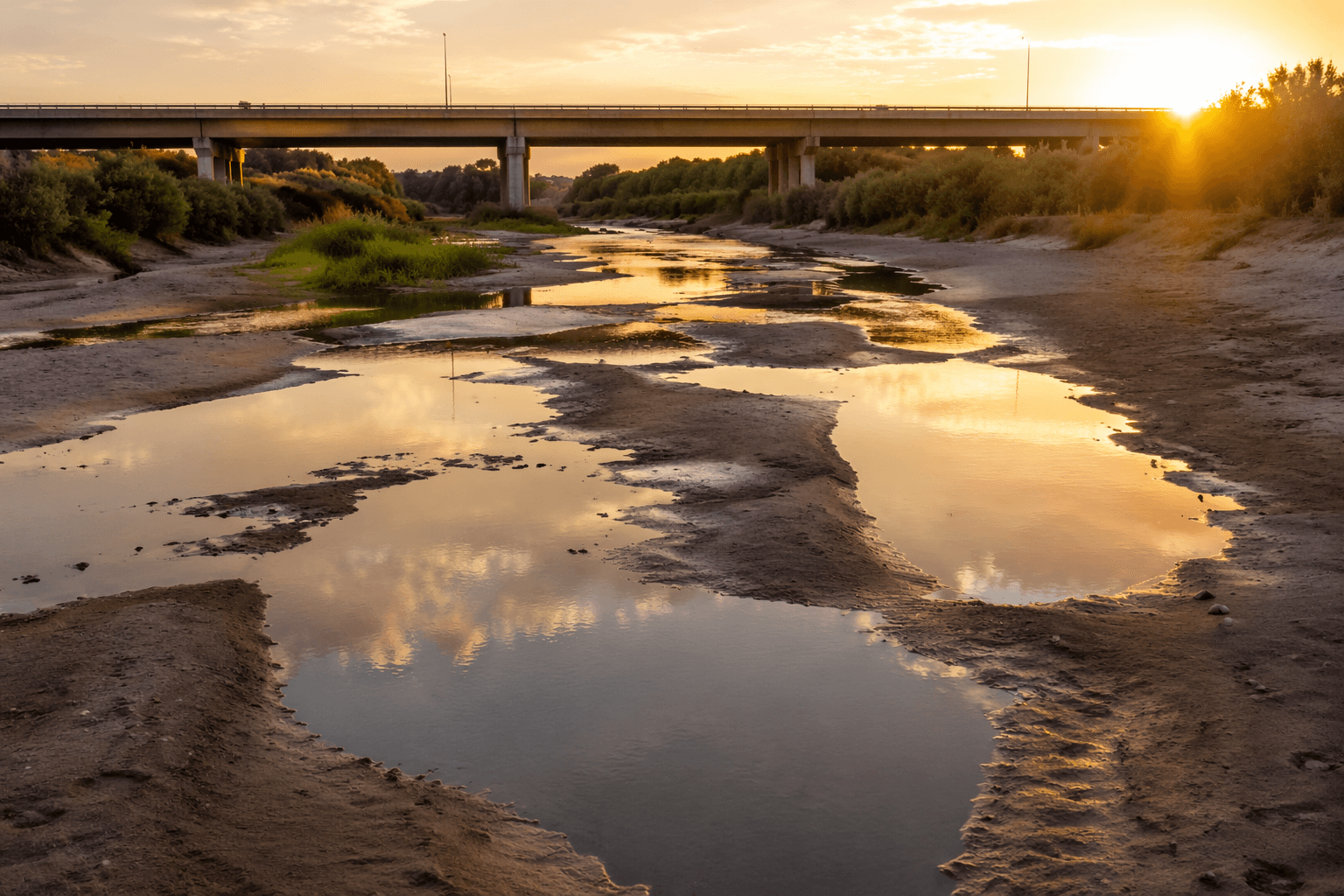
The Bureau of Reclamation puts the San Juan-Chama project’s full annual allocation at 96,200 acre-feet, and its average annual diversion from 1991 to 2020 at about 89,800 acre-feet. New Mexico water advocates said the project hit a record-low allocation in 2025 and that contractor water was down 69% from a full supply, leaving the Albuquerque Bernalillo County Water Utility Authority with about half the water and the Middle Rio Grande Conservancy District with about a quarter.
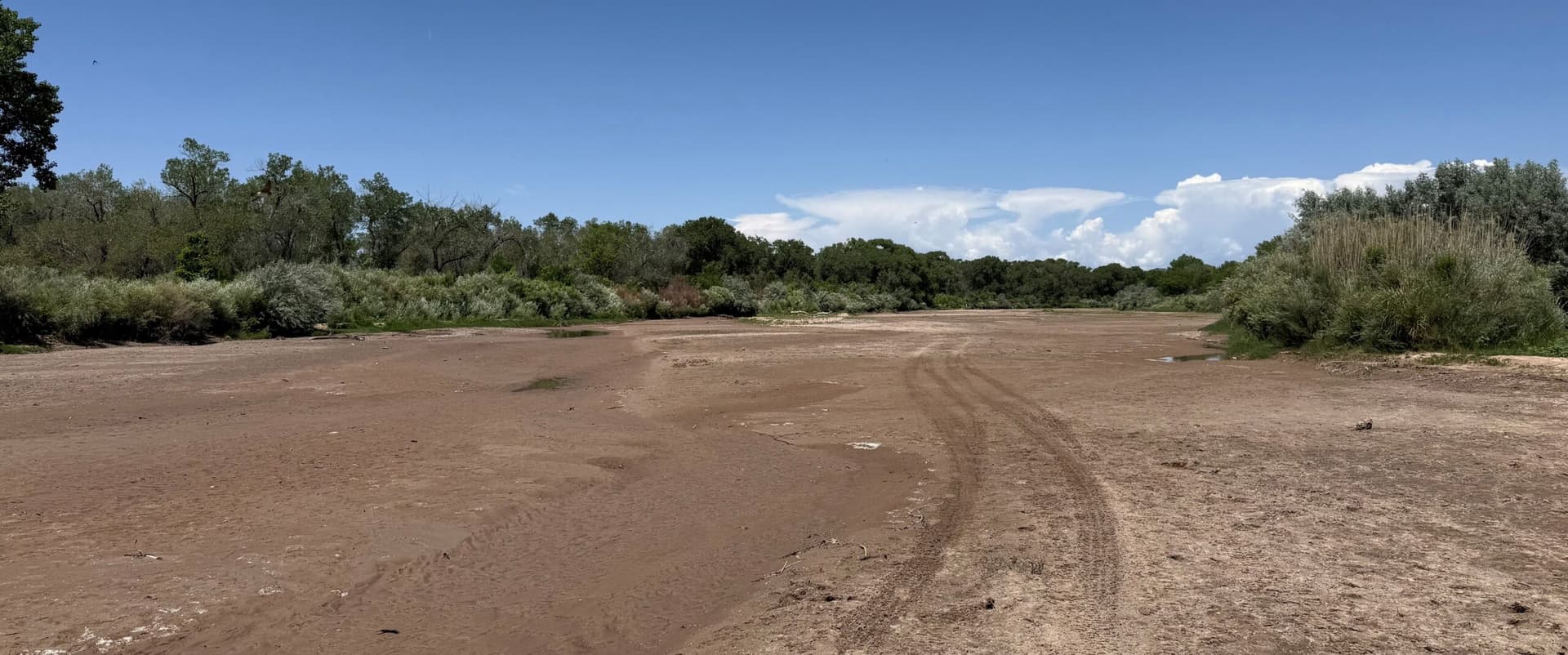
The utility’s long-term reliability strategy centers on conservation, aquifer storage and recovery, reuse and the San Juan-Chama project. Its drought framework includes four stages, Drought Advisory, Drought Watch, Drought Warning and Drought Emergency, and the authority can use demand-reduction measures if dry conditions deepen. Bernalillo County Commissioner Barbara Baca, who chairs the utility’s governing board, said in May that a dry Rio Grande should put everyone on notice that conservation is more important now than ever.
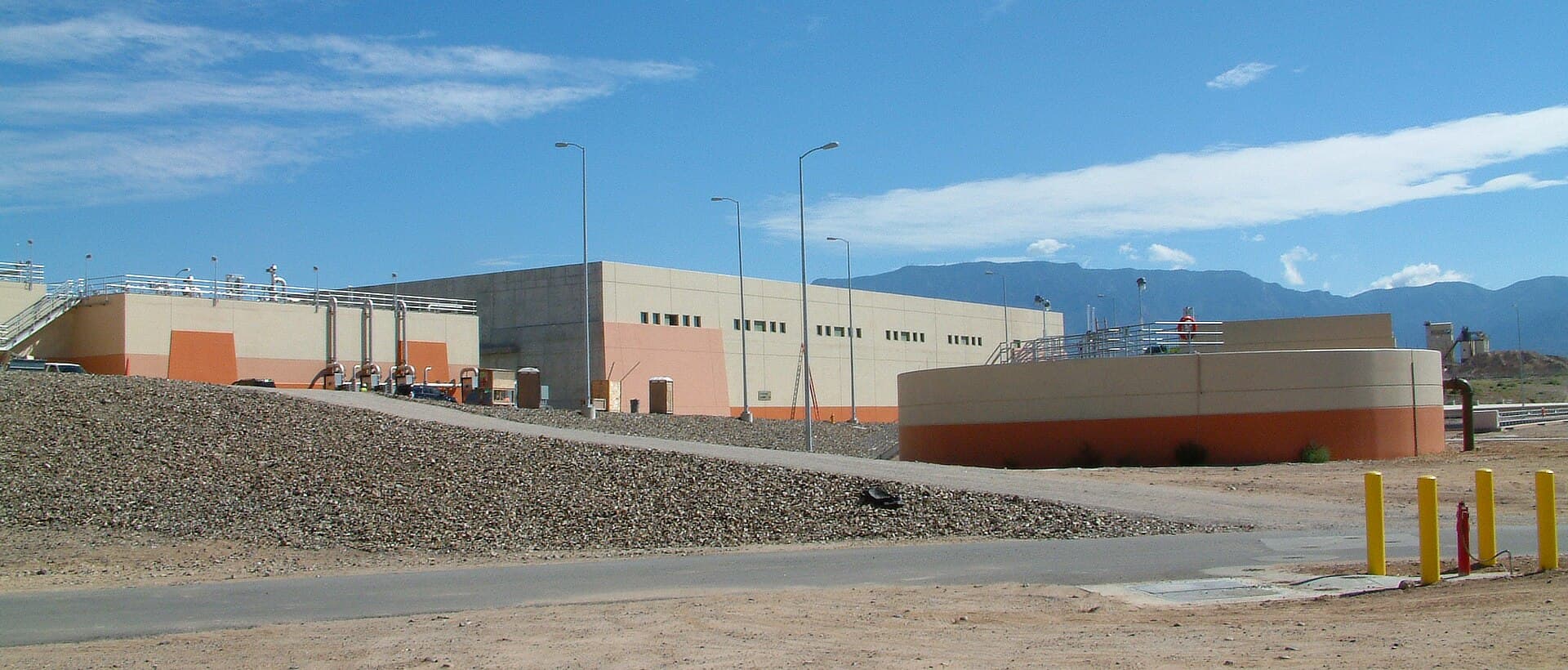
The utility’s Dispatch Center handles water and sewer emergencies 24 hours a day, seven days a week at 842-WATR, or 9287, Option 1.
This article was produced by Prism’s automated news system from verified source data, official records, and press releases, then run through automated quality and moderation checks before publishing. The system is built and supervised by the people who set the standards it runs under. Read our full AI policy.
Did this article answer your question?