Cochiti Lake offers year-round recreation under strict Corps rules
Families can still boat, fish, camp, and day-use Cochiti Lake, but the Corps rules are strict and the lake sits inside Pueblo de Cochiti boundaries. Know the fees, seasons, and closures before you go.
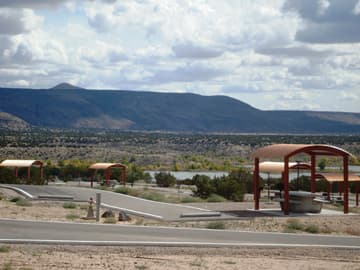
Families can spend a full day on Cochiti Lake, but the trip works best when you know the rules before you launch the boat, cast a line, or pull into a campsite. The lake offers boating, fishing, camping, and day use, yet access is tightly managed by the U.S. Army Corps of Engineers, with public recreation areas set inside land boundaries that visitors often do not expect.
What Cochiti Lake offers right now
Cochiti Lake is one of the most usable outdoor destinations for Sandoval County because it combines water access, camping, and scenic overlooks in one place. The Corps maintains two public recreation areas here: Cochiti on the west side and Tetilla Peak on the east side, and each has a boat ramp and overlook area for visitors who want a quick stop or a longer stay.
The west-side ramp at Cochiti is open year-round, which makes it the most reliable entry point for boating outside the busy season. Tetilla Peak operates on a narrower schedule, open from April through October, so planning around that seasonal window matters if you want east-side access.
Fishing remains part of the lake’s draw, along with day-use visits and camping. For local families, that means the lake works as both a quick afternoon outing and a planned overnight trip, depending on how much time you want to spend on the water and whether you reserve a campsite in advance.
Fees, passes, and camping rules
A visit comes with a straightforward cost structure: the Corps lists a $5 day-use fee or a $40 annual pass. That matters for repeat visitors from Sandoval County who may use the lake throughout the year, especially if they are returning for boat launches, picnics, or short shoreline trips.

Camping is reservation-only, not first-come, first-served. That is one of the biggest surprises for visitors who assume a federal recreation area will have open, drive-up sites, so planning ahead is essential if your trip depends on an overnight stay.
The reservation-only system also changes how families should approach weekends and holidays. A same-day decision can work for boating or a day visit, but not for camping unless the reservation has already been secured.
The rules that most often catch visitors off guard
Cochiti Lake is a no-wake lake, which affects how people operate boats across the water. That rule reduces speed and wake, and it shapes the whole experience by keeping the lake calmer and making reckless operation less acceptable than at some other recreation sites.
Alcohol is not allowed on the lake. That prohibition is especially important because visitors may assume a public recreation area has looser rules, but at Cochiti the Corps keeps the setting family-oriented and tightly regulated.
Inflatable users must wear life jackets. That rule is easy to overlook, especially for people bringing smaller float gear for a casual outing, but it is part of the lake’s basic safety expectations and should be treated as mandatory, not optional.
Weather, safety, and the meaning of the lights
Wind-warning lights near the ramps are not decorative. When they flash, the Corps says it is best to get off the lake or seek shelter, which makes those lights a direct safety signal rather than a background feature of the recreation area.
That warning matters at Cochiti because the lake sits in an open landscape where conditions can change quickly. Boaters and shoreline users should treat the lights as the clearest local cue that the day has shifted from recreational to hazardous.
The same caution applies to launching and retrieving boats. If the weather changes or the lights start flashing, the right move is to end the outing early rather than try to stretch the day.
Why the land boundaries matter
Cochiti Lake is not just a scenic reservoir. The Corps places it in Sandoval County on the Rio Grande about 50 miles upstream from Albuquerque, and it lies within the boundaries of the Pueblo de Cochiti Nation.
That boundary detail is the key to understanding why the site is managed the way it is. Visitors are using public recreation areas on a Corps project, but they are also entering a setting where federal infrastructure and tribal land boundaries overlap, so staying in the designated public areas matters.

The lake is part of a larger water-management system, not just a weekend destination. Cochiti Dam is one of four Corps projects on the Rio Grande designed for flood and sediment control, which gives the site a civic role far beyond recreation.
For Sandoval County residents, that means Cochiti Lake sits at the intersection of public access and public works. The same facility that supports fishing and boating also serves a flood-control and sediment-control function, which is why the rules are firm and the property lines are more than a map detail.
How to plan a smoother visit
A practical Cochiti trip starts with the access point you choose. If you want the most dependable year-round boat access, the west-side Cochiti area is the safer bet; if you are heading east, Tetilla Peak is available only from April through October.
- Bring enough money or an annual pass for the $5 day-use fee or the $40 annual pass.
- Reserve camping in advance if you plan to stay overnight.
- Check your life jackets, especially if you are using inflatables.
- Treat wind-warning lights near the ramps as a stop signal, not a suggestion.
- Keep in mind that the lake is no-wake and alcohol is not permitted.
Before you leave home, line up the basics:
Cochiti Lake rewards visitors who show up prepared. The access is real, the recreation is broad, and the rules are clear, which is exactly why it remains one of Sandoval County’s most useful public outdoor spaces.
This article was produced by Prism’s automated news system from verified source data, official records, and press releases, then run through automated quality and moderation checks before publishing. The system is built and supervised by the people who set the standards it runs under. Read our full AI policy.
Did this article answer your question?