Corrales faces council vacancy, planning meeting, road cleanup and plague alert
A council vacancy, a planning meeting, road upkeep and a plague alert put Corrales residents on notice about what needs attention now.

Corrales’ latest village roundup reads like a civic checklist for anyone trying to keep up with local government, land use, public works and public health at the same time. The June 15 update pulled four different concerns into one brief notice, and each one carries a practical consequence for Sandoval County residents who watch Corrales closely.
Council vacancy: the open District 4 seat is the urgent governance issue
The most immediate action item is the open Corrales District 4 council seat, created by the death of Councilor John Alsobrook II. The Village of Corrales said applications were due by Friday, May 29, 2026, and Mayor Fred Hashimoto was expected to nominate a replacement for council approval at the June 9 meeting.
That timeline matters because Corrales tends to run on close public involvement, especially when the village is filling a seat that shapes neighborhood-level decisions. Alsobrook had only recently been sworn in for his fifth term on January 2, 2026, which makes the vacancy feel especially abrupt. The village website lists the open District 4 seat with a term ending December 31, 2029, so whoever fills it will not be a short-term placeholder.
Later reporting said the application and nomination period was extended because no nominations had been received, leaving the seat unresolved as the village moved past the original deadline. For residents, that means the appointment process is still the key point to watch: who steps forward, how the mayor chooses, and whether council approves the pick will shape District 4 representation for the rest of the term.
Planning and zoning: where Corrales decides what kind of place it wants to be
The Planning and Zoning item in the roundup may sound routine, but in Corrales it is one of the main places where land-use decisions become real. Corrales Planning and Zoning Commission meetings are generally held on the third Wednesday of every month at 6:30 p.m. at the Council Chambers on Corrales Road, which gives residents a predictable moment to track proposals before they become policy.
The department’s reach is broad. It handles subdivisions, building permits, site development plans, zoning and flood-zone determinations, variances, short-term rental permits, home occupation permits and zone map amendments. That makes P&Z a central gatekeeper for everything from a small home-based business to larger questions about density, traffic and neighborhood character.
That is why this meeting item matters beyond the agenda itself. In a village where residents have been following the comprehensive plan, parking rules and road-related policy changes, P&Z is where the pressure between preservation and change often surfaces first. If you care about how Corrales grows, what gets built, or how existing properties can be used, this is the meeting calendar to keep open.
Road cleanup and road policy: maintenance is now part of the political conversation
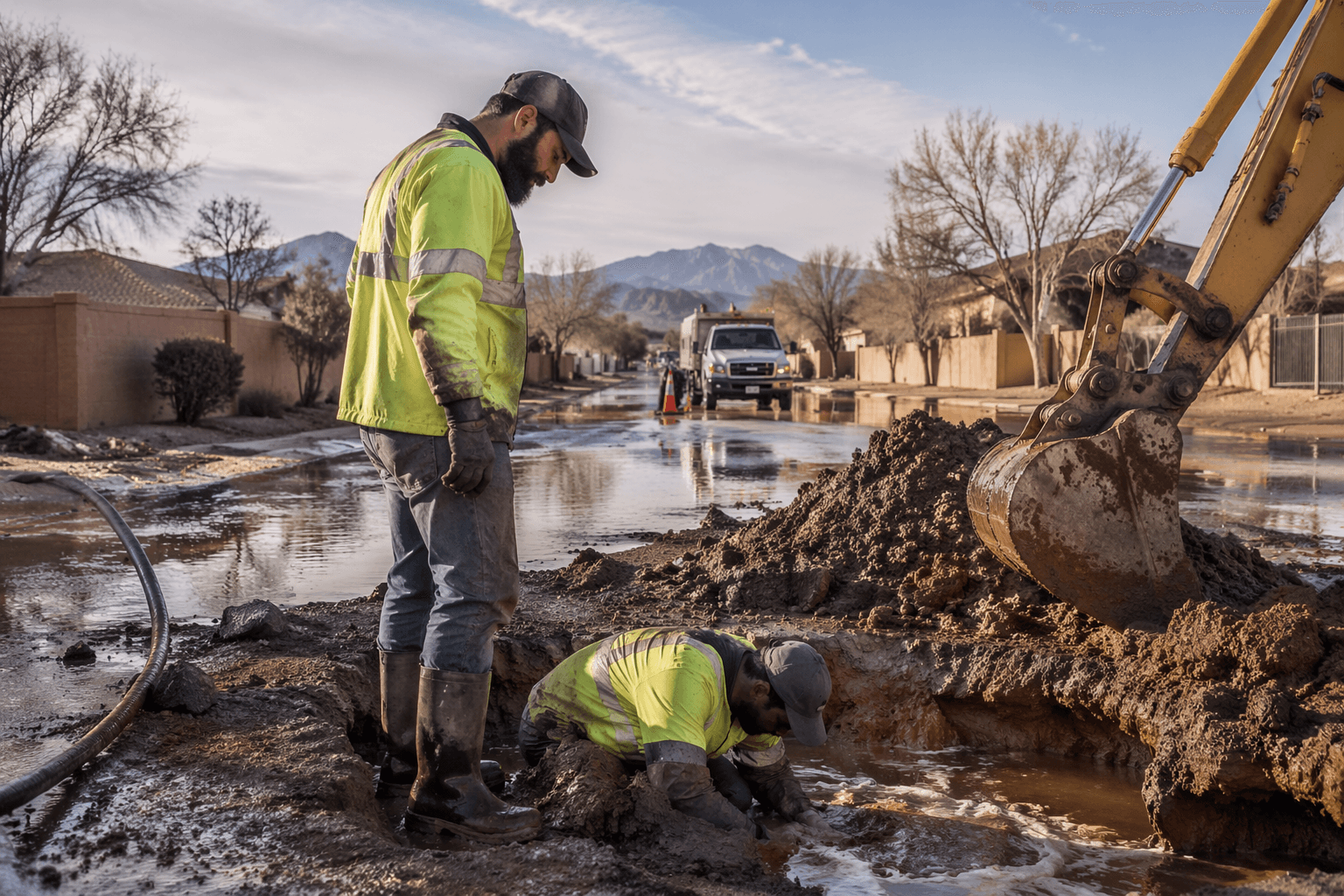
The road-cleanup reference in the roundup is more than a housekeeping note. It points to the reality that Corrales’ roads and public edges depend on steady attention, and even modest cleanup work can change how safe and welcoming a stretch of roadway feels. In a village built around a strong sense of place, visible upkeep is part of public trust.
That issue has become more visible since April 2026, when the Corrales council approved a new road paving, repair and maintenance policy. The policy uses a 10-point classification system based on safety, traffic volume and other factors, which is the village’s attempt to make road decisions more systematic after residents criticized how those choices were being made.
For residents, the practical takeaway is simple: cleanup and maintenance are no longer just about appearances. They are tied to a broader policy framework that determines which roads get attention first, how safety is weighed and how the village explains its choices. If a road needs work, or if a cleanup effort is being organized, it now sits inside a larger debate about fairness, transparency and infrastructure priorities.
Plague alert: the public-health warning is the item nobody should ignore
The plague alert is the most serious part of the roundup, and it reflects the reality of living in a place where rural edges and wildlife can bring health risks closer to home. New Mexico reported its first human plague case of 2026 on June 11, 2026, and the patient died. The New Mexico Department of Health says plague is caused by Yersinia pestis and circulates naturally among wild rodents in the western United States.
The state also remains the national center of concern: about half of U.S. plague cases each year occur in New Mexico. That is why a Corrales notice about plague is not an overreaction. It is a reminder that public-health alerts in this region can move quickly from statewide news to local relevance.
The Centers for Disease Control and Prevention says people are usually exposed through infected rodent fleas or infected animals, including cats. Its basic prevention advice is direct: reduce rodent habitat, rodent-proof buildings, and use gloves when handling potentially infected animals. In practical terms, that means keeping brush and clutter down, sealing up gaps where rodents can enter, and treating sick or dead animals with caution.
For Corrales, the warning fits the village’s rural character. Open spaces, wildlife and human settlement sit close together, so health guidance has to travel with land-use awareness and everyday maintenance. A plague alert is not just a medical bulletin; it is a reminder that habits around property upkeep and animal contact can have real consequences.
What the roundup is really telling residents
Taken together, the four notices form a useful civic survival guide. The council vacancy is about who gets a voice in village decision-making. The planning meeting is about how Corrales manages growth and preserves itself. The road-cleanup and road-policy items show that maintenance is now part of the governance conversation. The plague alert says public health still belongs in the local news cycle, especially in a place where wildlife and neighborhood life overlap.
That is what makes a short village roundup matter: it compresses the practical stakes of Corrales life into one page, and it gives residents a clear picture of what needs attention now.
This article was produced by Prism’s automated news system from verified source data, official records, and press releases, then run through automated quality and moderation checks before publishing. The system is built and supervised by the people who set the standards it runs under. Read our full AI policy.
Did this article answer your question?