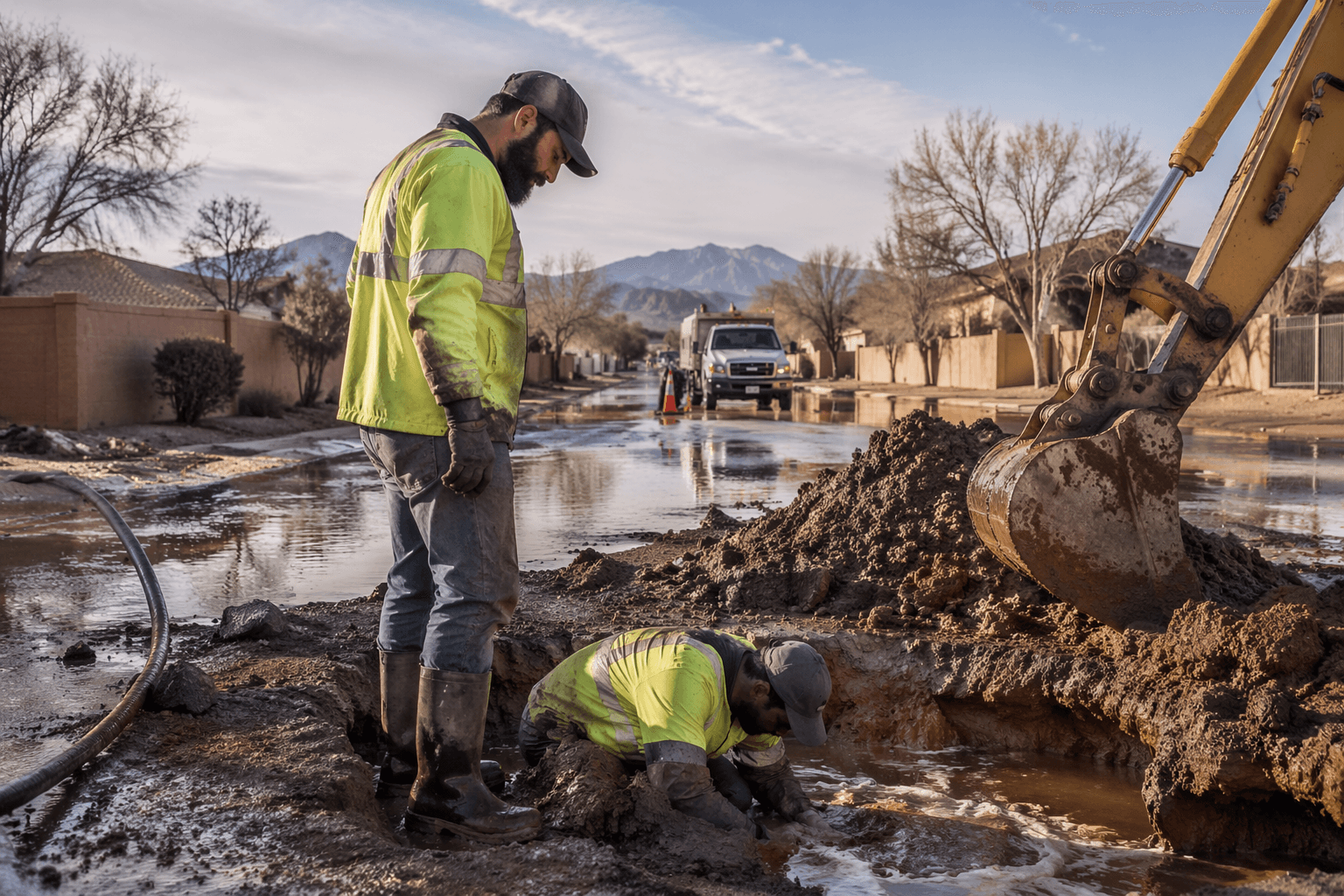
Corrales Mayor Warns of Uncertain Irrigation Season Amid Converging River Projects
Corrales Mayor Fred Hashimoto warned the upcoming growing season could be especially challenging after MRGCD forecasts Rio Chama‑Upper Rio Grande flows near 36% of normal.
Mayor Fred Hashimoto posted a Mayor’s Message on Feb. 20, 2026 warning that the upcoming growing season could be especially challenging for Corrales as regional forecasts point to sharply reduced river flows. At a March 4 Village Council meeting, Jason Casuga, Chief Engineer and CEO of the Middle Rio Grande Conservancy District, told officials the valley faces one of its driest years on record and cited March forecasts showing river flows at just 36% of normal.
At the March 4 meeting, Casuga said the March water forecast for the Rio Chama‑Upper Rio Grande river flow was downgraded from 51% below median precipitation to just 36%, the lowest he has seen in his career. He also told the council, "It is going to be, at least from a river flow standpoint, a very difficult year, and will need rain for agriculture in the whole valley, let alone Corrales, to thrive." Those numbers shape water deliveries and irrigation planning for Corrales acequias and MRGCD service areas.
Federal assessments underline the local alarm. The U.S. Department of Agriculture Natural Resources Conservation Service’s New Mexico Water Supply Outlook Report for February and March was described in coverage as painting a bleak picture for the state’s water basins, noting snowpack conditions were already low in February and declined further in March. A National Integrated Drought Information System summary called snowpack across New Mexico and Arizona "abysmal," a condition that cuts expected spring runoff into the Rio Chama and the Middle Rio Grande.
There is a narrow conditional hope in national forecasts. Coverage cited the National Weather Service Climate Prediction Center outlook as favoring a colder, wetter pattern in the West over the next month, which could improve snow accumulation and runoff. Casuga expressed that tentative possibility while emphasizing the current trajectory, and he warned officials that even modest late‑season storms would need to materialize to materially change delivery projections.
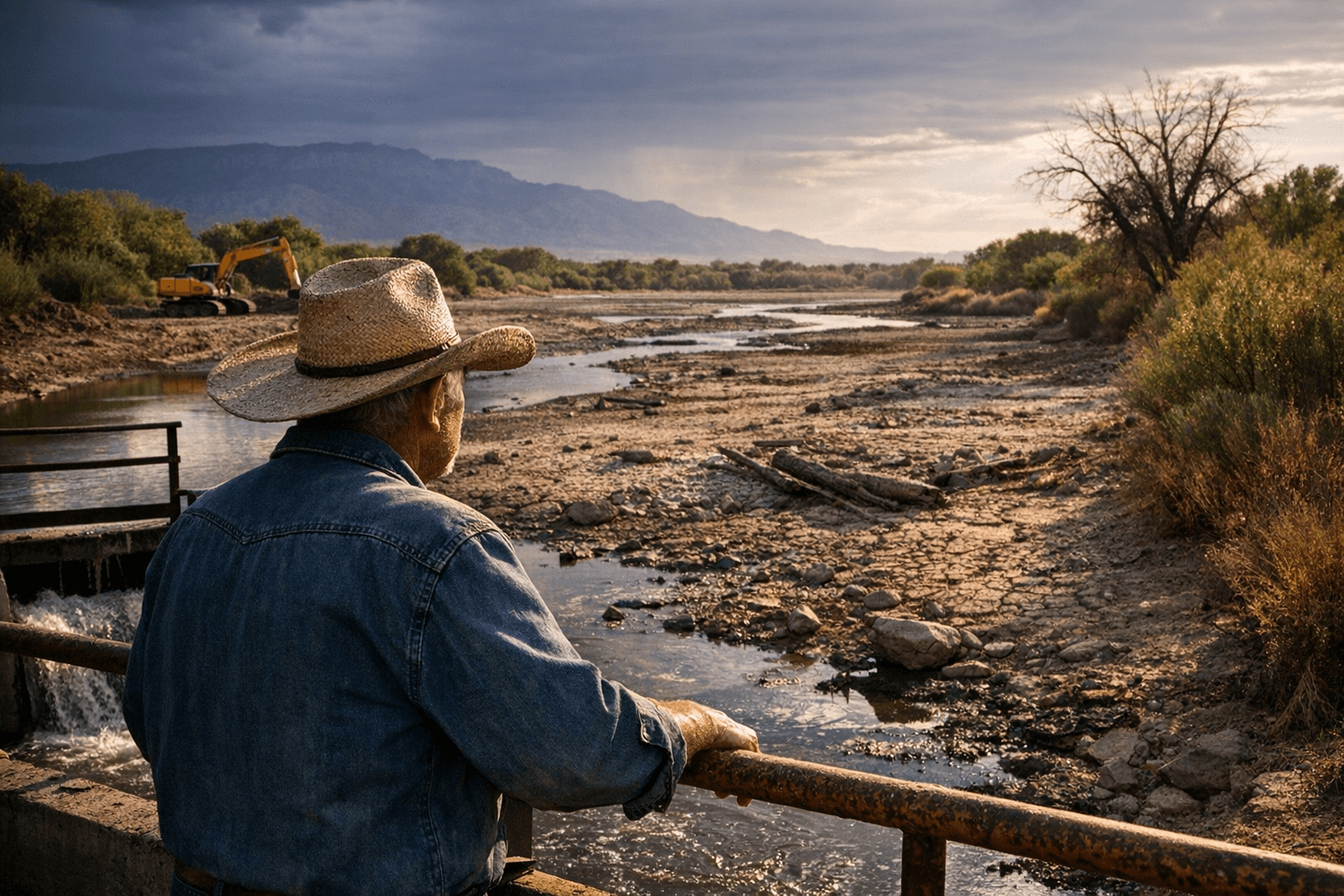
Casuga framed solutions in policy as well as operations. In his remarks he said, "One of our biggest challenges that we need to now turn our attention to as a state, Is the Rio Grande Compact and making sure that the whole valley in the whole state knows satisfying the Rio Grande compact is a conservation measure for all of our missions on the river, be it agriculture, be it environment, be it municipality, we’ve got to start satisfying the compact." That appeal links compact compliance to conserving scarce flows for farmers, habitats and municipal systems serving Corrales and Albuquerque downstream.
For immediate guidance to irrigators, Casuga urged practical conservation: "As New Mexico heads into a critically dry year, Casuga encouraged farmers to visit the MRGCD.com website for resources on improving irrigation efficiency to make the most of available water. He hoped rainfall could extend the irrigation season, but the overall outlook remains uncertain." With flows projected near 36% of normal and snowpack labeled "abysmal" by NIDIS, Corrales leaders and MRGCD officials say the coming weeks will determine whether the village can avert supply shortfalls for gardens, fields and acequias.
This article was produced by Prism’s automated news system from verified source data, official records, and press releases, then run through automated quality and moderation checks before publishing. The system is built and supervised by the people who set the standards it runs under. Read our full AI policy.
Did this article answer your question?