Jemez Springs highlights open meetings, council structure and local elections
Jemez Springs runs on a small council, open meetings and March elections, giving residents a direct route to shape village rules, services and infrastructure.
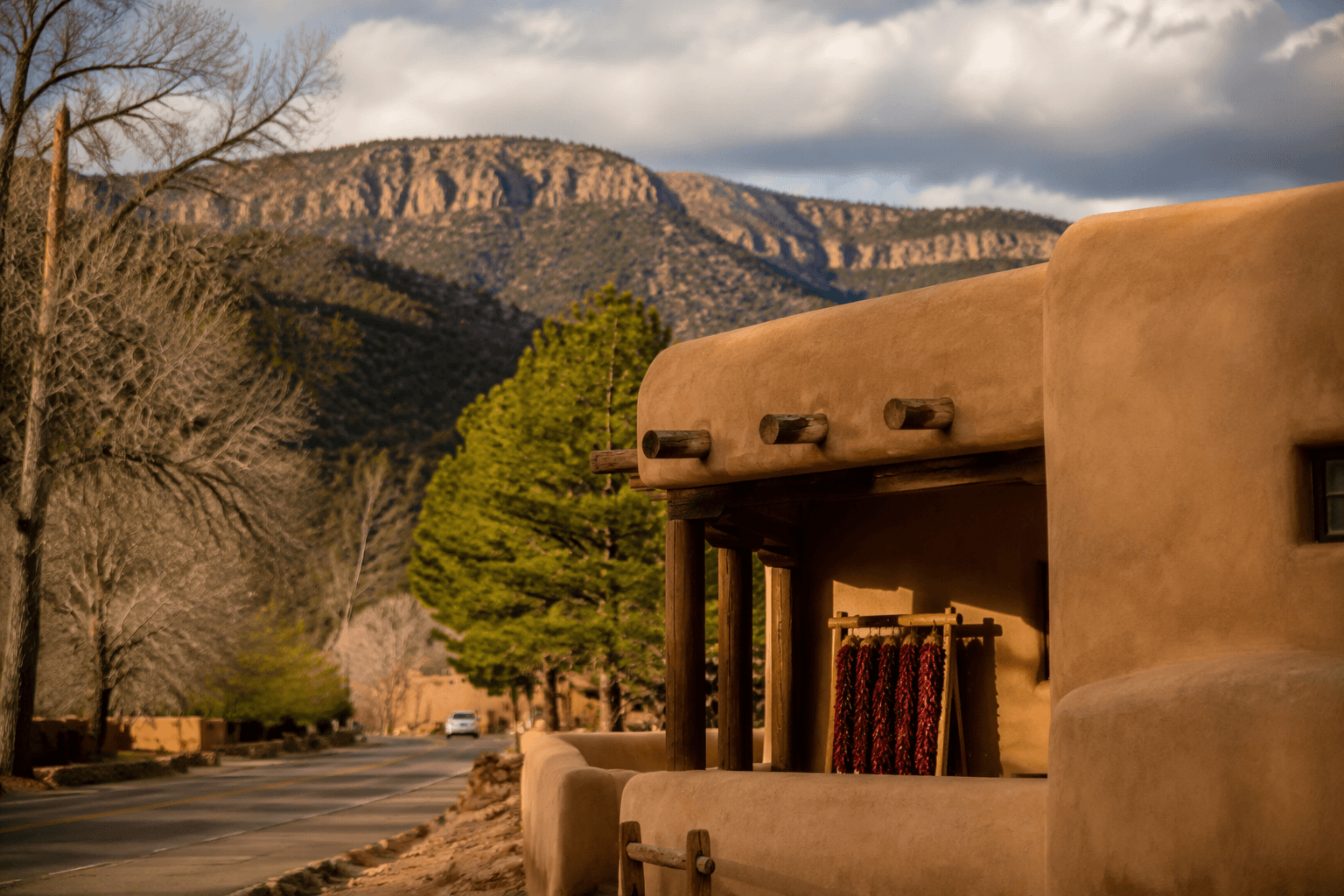
Jemez Springs has a municipal government you can map in one glance: a mayor, trustees, public meetings and elections every two years in March. Established in 1955, the village is small enough that its governing structure is visible and close enough to residents that a meeting notice, a posted agenda or a ballot can quickly shape local decisions.
Who holds the levers in Jemez Springs
The Village of Jemez Springs says its government is led by a Village Council composed of the Mayor and Trustees, and that those positions are filled by local election every two years in March. That makes the council the main elected body for the village’s own ordinances and community services, not a distant board somewhere else in the county seat.
A June 24, 2025 council meeting minutes document shows the governing body in practice. Mayor Michael Nealeigh was listed alongside Trustees Judy Boyd, James McCue, Manolito Sanchez and Robert Wilson, with Interim Clerk Heather Gutierrez also in attendance. For residents, that kind of minutes record is not just a formality. It is the paper trail that shows who was in the room when village business moved forward.
How meetings become public business
The village says it is subject to the New Mexico Open Meetings Act, which gives the public a legal footing for watching how local decisions are made. Agendas and meeting minutes are posted online and at six public locations around the village before official meetings, including the U.S. Post Office, the electric co-op, the Jemez Springs Public Library and the Village Office. That kind of advance posting matters because it tells residents what will be discussed before a vote happens, not after.
Council meetings are scheduled for 6 p.m. every third Tuesday of the month in the Governing Body Conference Room, and the village says those meetings are open to all community members. In a village this size, that is the most direct route to the people setting policy. If an issue involves local ordinances, community services or a project that affects village operations, the meeting room is where the public can hear it, question it and track the result.
Why the village sits inside a much bigger county map
Sandoval County covers 3,714 square miles, and Jemez Springs is only one piece of a far larger and more complicated local-government landscape. The county includes Bernalillo, Cuba, Corrales, Jemez Springs, Rio Rancho, San Ysidro and the Town of Cochiti Lake, along with numerous unincorporated communities and all or portions of 12 Indian Pueblos and Tribal Nations.
That matters because local power in Sandoval County is layered. Jemez Springs handles its own municipal business through the Village Council, while the county spans a broad region with many different governments and jurisdictions inside it. For residents trying to figure out where an issue belongs, that distinction is the first step: a village matter belongs with the village’s elected officials and meeting process, while larger countywide questions move through the county’s wider system.
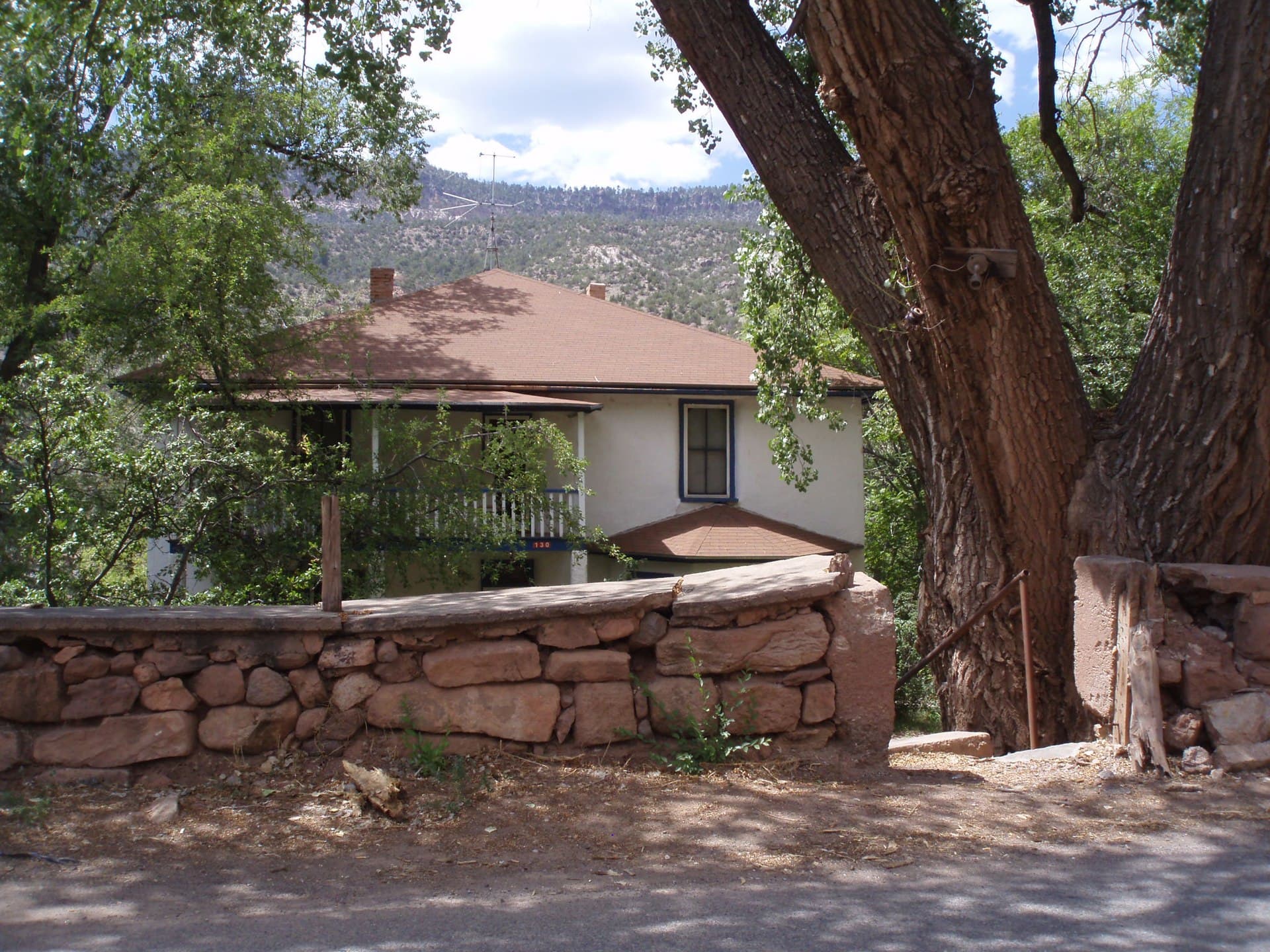
A small village on a much older landscape
The modern municipality is young compared with the deep history of the Jemez Valley. Jemez Valley History says the first residential area in what is now Jemez Springs was the large pueblo of Guisewa, occupied until the late 1500s. The same history source says the location was valued for the same reason people still come today: healing hot springs.
That history helps explain why Jemez Springs is more than a residential dot on the map. It is a community, a destination and a place where governance reaches into public space, heritage and the everyday management of a village that lives with visitors as well as year-round neighbors. A village council in a place like this is not just handling routine administration. It is also managing the practical pressures that come with being a small mountain-valley community with a long public memory.
What the numbers say about the village
Census Reporter lists Jemez Springs at 284 people, with an area of 4.8 square miles, a population density of 59.2 people per square mile and a median age of 55.2. That is a very small and relatively older population, which helps explain why direct public meetings and local elections carry outsized weight.
A community of that size can feel close-knit, but it also means that public notice and access rules are not abstract. When a village posts agendas at local landmarks, holds meetings at a fixed hour and keeps minutes available, it gives residents a workable path to monitor decisions without having to guess where power sits. In a place with fewer than 300 people, transparency is not a slogan. It is the operating system.
Infrastructure and notices that show the government at work
Recent village notices in 2026 included a wastewater line cultural-resource survey beginning July 22, a reminder that the village’s responsibilities extend into utility infrastructure and the review process that can accompany it. That kind of notice is exactly where village government becomes concrete: road work, water and wastewater planning, and the paperwork that affects whether a project can move ahead.
For Jemez Springs, the practical civic map is straightforward. The village was established in 1955, the council is made up of a mayor and trustees, elections come every two years in March, and meetings are open on the third Tuesday at 6 p.m. In a county as large and layered as Sandoval, that direct line between residents and the governing body is the part of local government that matters most when something in the village needs attention.
This article was produced by Prism’s automated news system from verified source data, official records, and press releases, then run through automated quality and moderation checks before publishing. The system is built and supervised by the people who set the standards it runs under. Read our full AI policy.
Did this article answer your question?