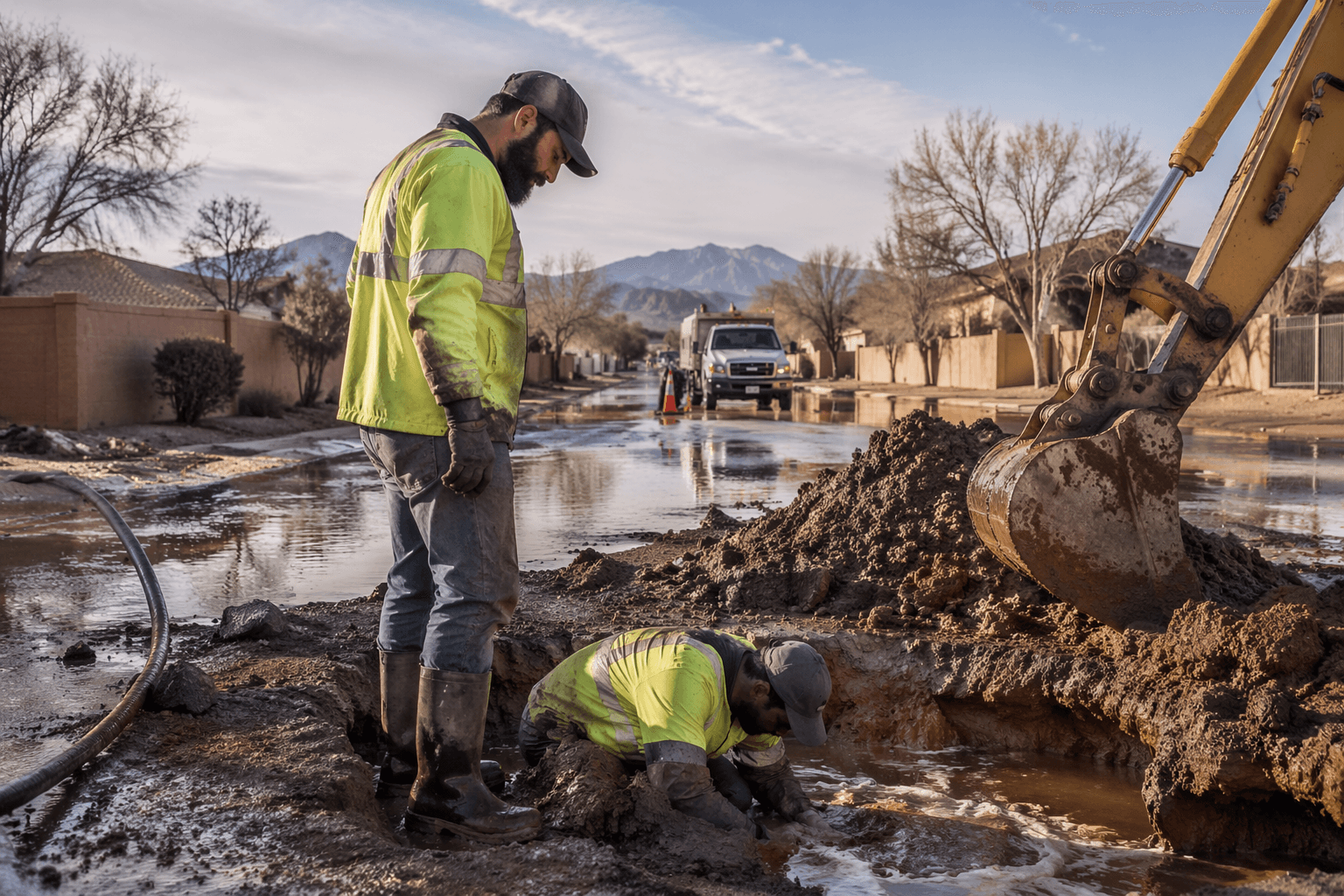
Low Rio Grande Levels Threaten Corrales Irrigation Water Deliveries, MRGCD Warns
Falling Rio Grande levels may soon cut off Corrales irrigation deliveries. MRGCD urged irrigators to take water now while pumping operations hold.
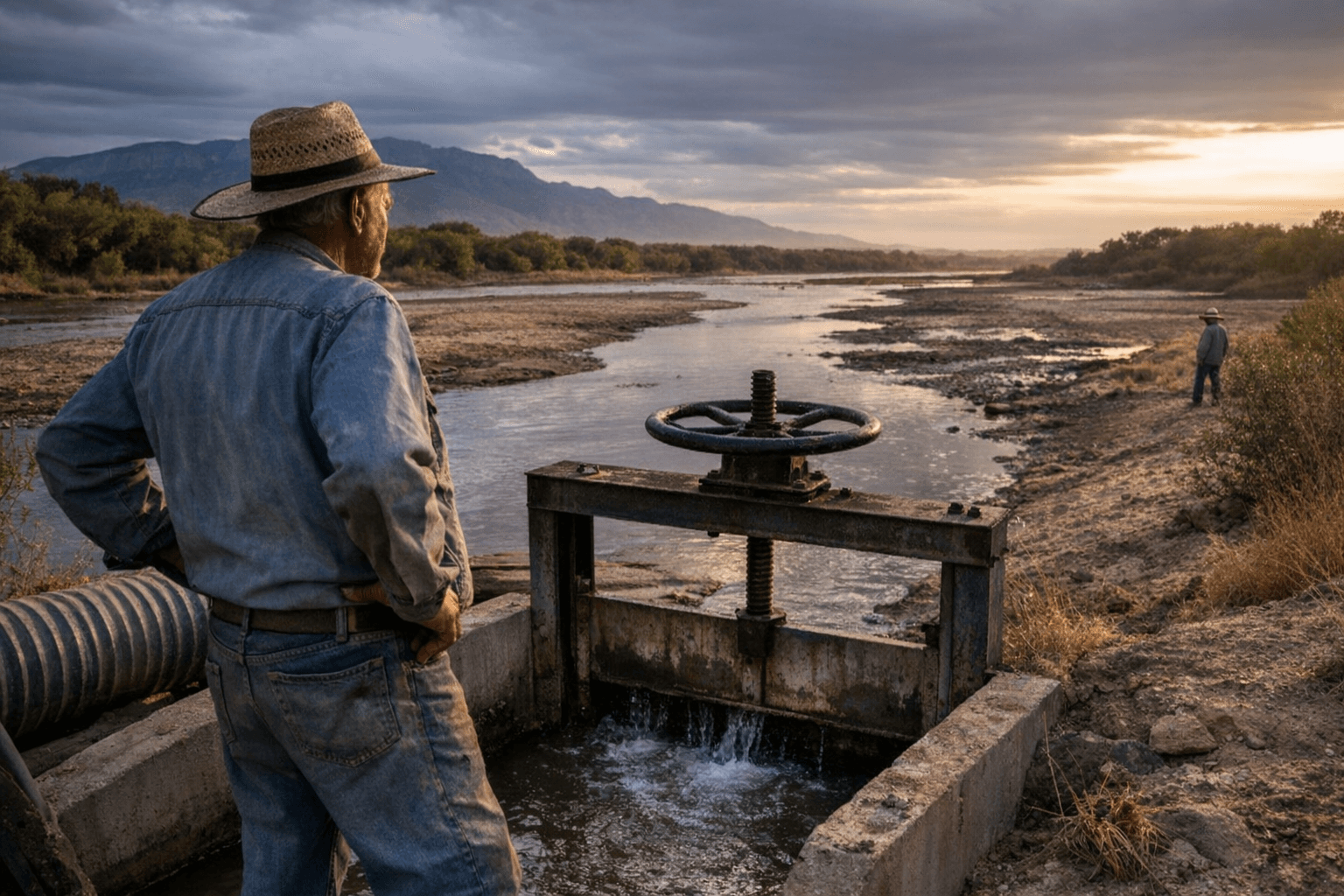
The Middle Rio Grande Conservancy District warned Corrales-area irrigators Wednesday that below-normal Rio Grande flows could soon shut down the temporary pumping operations that have supplied the village's irrigation water since 2022, urging water users to "take water when it is available" while conditions allow.
In a release dated April 9, the district said current river conditions are "not consistent with a typical spring runoff" and that water availability is tightening early in the irrigation season. The MRGCD manages facilities serving roughly 11,000 irrigators across the middle valley and said it would continue to monitor flows and issue updates through district communications contact Amanda Molina.
The vulnerability traces back to 2022, when the original Corrales siphon, a gravity-fed structure that moved water from the Albuquerque Main Canal across the river to the Corrales Main Canal, was declared inoperable. The district turned to temporary pumping as a stopgap, but those pumps depend on minimum river levels to function. When flows drop below that threshold, operators must suspend pumping entirely, cutting off irrigation deliveries to Corrales until the river recovers.
A brief uptick in flows following upstream rainfall near Cochiti Dam allowed pumping to continue in recent days. Additional precipitation could extend that window, but without sustained runoff the district expects levels to decline again, with no guarantee of continued delivery.
For the farms, market gardens and residential irrigators in the Corrales service area, the practical consequence is immediate: take deliveries now or risk losing them. A pumping suspension would halt spring irrigation schedules with no certain timeline for resumption, forcing some growers to weigh options including hauled water, groundwater where permitted, or fallowing land.
Longer-term relief hinges on a construction project already underway. MRGCD said the new permanent Corrales siphon is expected to be completed before the end of 2026, with gravity-fed deliveries through that structure set to replace emergency pumping at the start of the 2027 irrigation season. Until then, every rainfall near Cochiti Dam carries more weight than it would in a typical spring.
This article was produced by Prism’s automated news system from verified source data, official records, and press releases, then run through automated quality and moderation checks before publishing. The system is built and supervised by the people who set the standards it runs under. Read our full AI policy.
Did this article answer your question?