New Mexico reports second plague case of the year in Bernalillo County man
A 77-year-old Bernalillo County man was hospitalized with plague and discharged, the state’s second case this year, with no deaths reported.
New Mexico health officials said a 77-year-old Bernalillo County man was hospitalized with plague and later discharged, marking the state’s second human case this year. In Sandoval County and nearby rural areas, the risk shows up where plague actually moves: fleas, dead rodents and contact with infected pets or wildlife.
The New Mexico Department of Health said there have been no plague deaths this year. Officials describe plague as a bacterial disease of rodents that is generally transmitted to people through the bites of infected fleas, although direct contact with infected animals can also spread it.

The department’s plague manual says the infection is caused by Yersinia pestis, and that bubonic plague is the most common clinical form. The Centers for Disease Control and Prevention maintains national plague maps and statistics for additional U.S. context.
The case was announced Wednesday. NMDOH also keeps separate plague information pages and zoonotic disease news pages, where it posts disease updates and guidance.
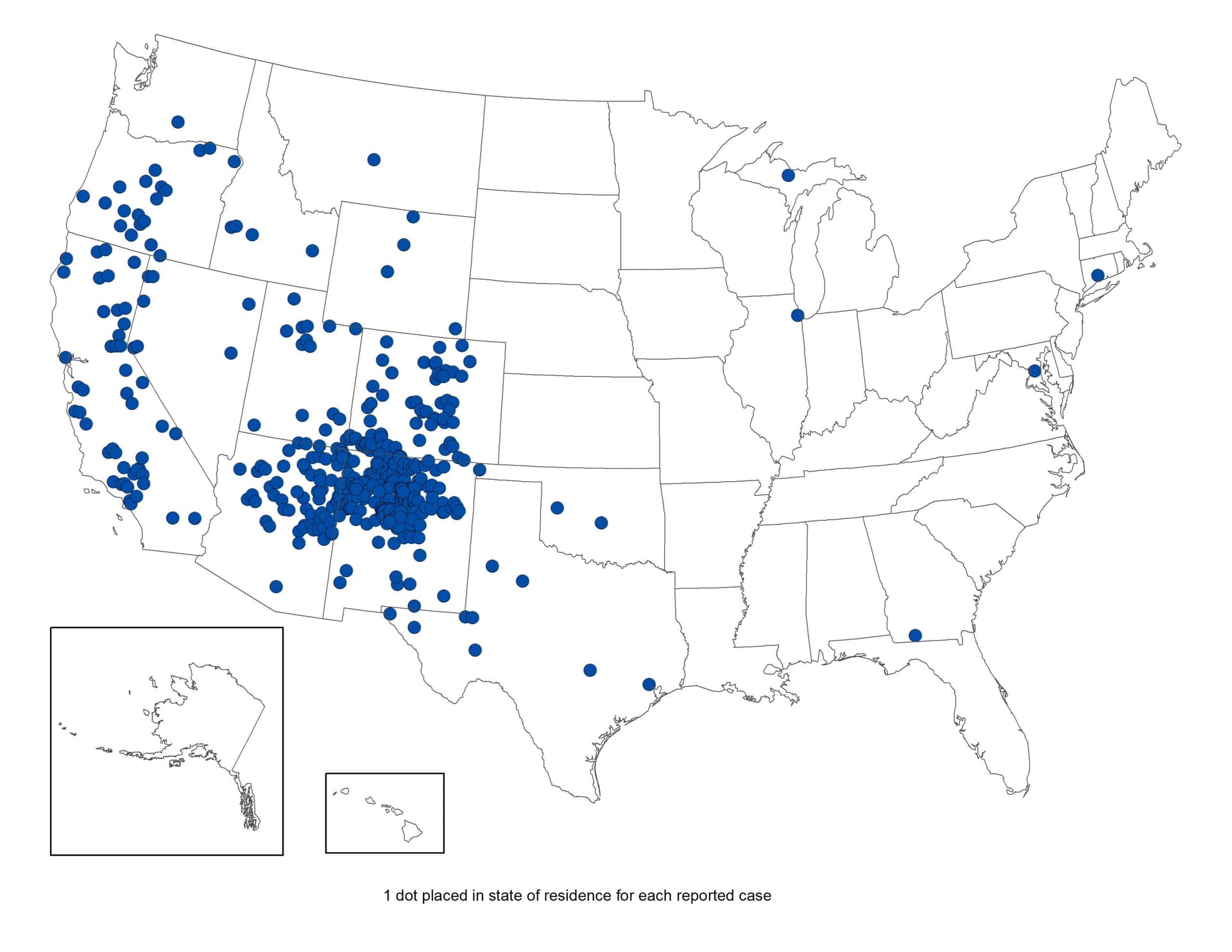
NMDOH’s 2025 human plague data page lists three human plague cases in New Mexico and shows cases in Torrance and Bernalillo counties. The state’s tracking keeps the focus on the same exposure points health officials have repeated for years: rodents, the fleas that feed on them, and animals that can carry infection into homes, yards and rural properties.
That matters across central New Mexico because plague does not spread through casual contact. It follows specific encounters, including flea bites and handling infected animals, which is why state guidance centers on the rodent-flea cycle and on avoiding contact with dead wildlife and pets that may have been exposed.
This article was produced by Prism’s automated news system from verified source data, official records, and press releases, then run through automated quality and moderation checks before publishing. The system is built and supervised by the people who set the standards it runs under. Read our full AI policy.
Did this article answer your question?