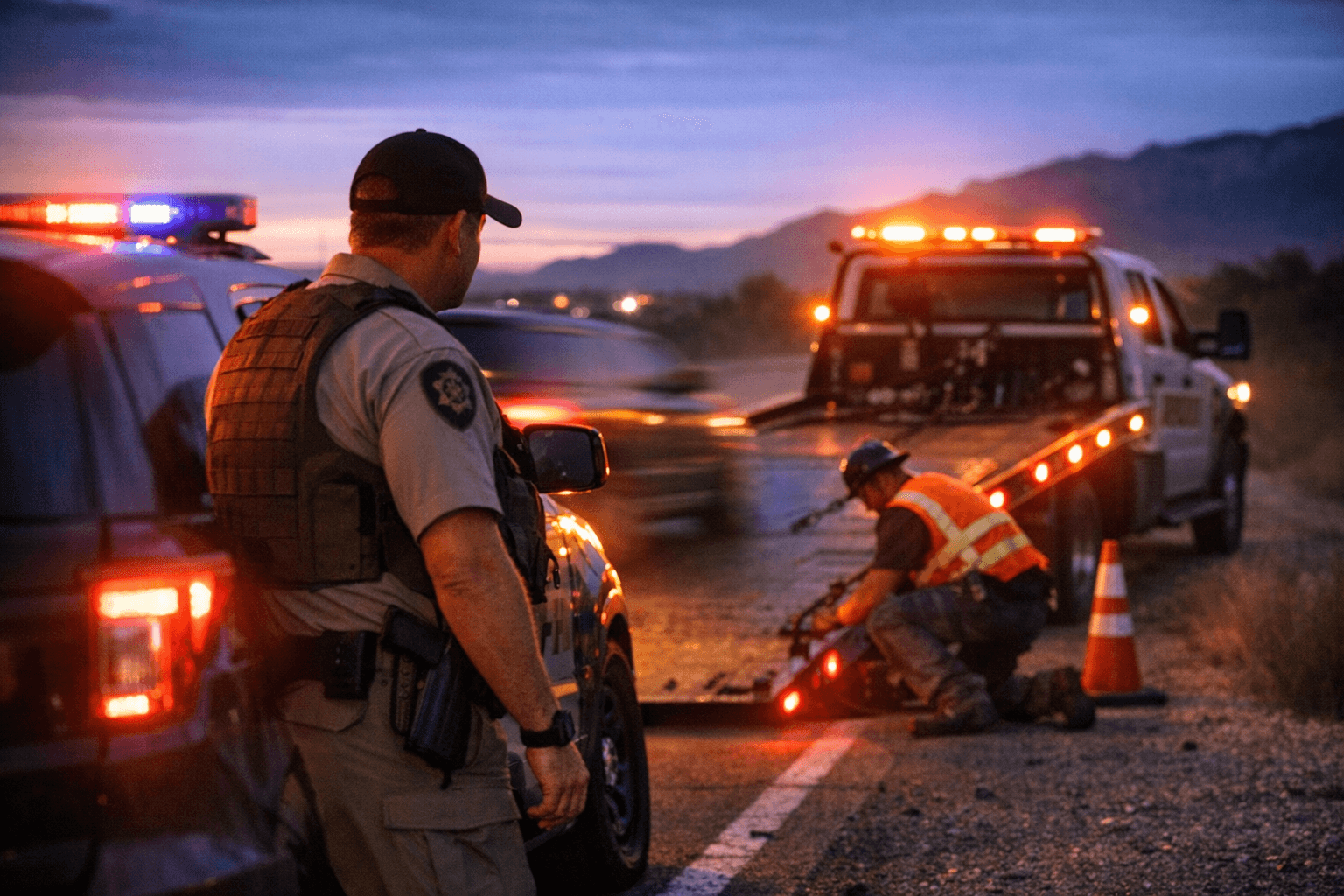
Rio Rancho Chaplain Program Falls From 20 to 9, Former Chaplains Concerned
Rio Rancho's police chaplain program fell from about 20 volunteers to nine active chaplains, raising concerns about coverage and transparency for residents and officers.

“The Rio Rancho Police Department’s volunteer chaplain program was reduced from about 20 volunteers at the start of 2025 to nine active chaplains as of Jan. 21, 2026.” That numerical drop is the central fact driving local concern about how the city will handle spiritual care for victims, families, and officers during crises.
Two former chaplains, who spoke anonymously, told reporters the reduction “followed two incidents: a d”, a sentence that appears truncated in records provided to this newsroom and leaves the nature of those incidents unspecified. The department has defended the program and changes, but no departmental statement or spokesperson name was made available in the materials reviewed for this article.
The change shrinks a program that has long been staffed by volunteers and relied upon in moments where emergency responders and community members seek counseling and faith-based support. For Rio Rancho residents, fewer active chaplains could translate into slower or less varied spiritual-care options after traffic fatalities, critical incidents, or other emergencies. The archived material reviewed does not explain whether the drop resulted from administrative reorganization, resignations, dismissals, stricter training requirements, or other factors.
The pattern comes as chaplaincy nationwide undergoes professionalization and program shifts. In September 2025 the Chaplaincy Education Program of the Academy for Jewish Religion California received full accreditation from the Association for Clinical Pastoral Education, and other organizations are offering grant funding and training opportunities to chaplains. Those national trends may influence local departments’ expectations for credentialing and oversight, but the specific drivers behind Rio Rancho’s reduction were not documented in the files provided.

The story circulated broadly on social media pages, with shares and references on pages including Salt Lake City Government, Sandoval County Fire Rescue, and Hornsby Advocate, increasing public visibility. A separate entry in local records lists RRPD arrest records for Jan. 11-17, but no connection between those records and the chaplaincy changes was available in the materials reviewed.
Key questions remain unanswered: what the two anonymous former chaplains meant by their incomplete sentence, which exact policies or incidents prompted the cutback, and how RRPD now defines and deploys an “active” chaplain. City residents and faith communities will want clarity on continuity of care, response times for post-incident support, and whether the department will seek to recruit or train new volunteers.
For now, Rio Rancho officials and the police department are the next stop for answers. Expect requests for an official roster of active chaplains, program policies, and a fuller explanation of the changes; those documents will determine whether the reduction reflects a temporary contraction, a shift toward professionalization, or a deeper local controversy with implications for emergency response and community trust.
Know something we missed? Have a correction or additional information?
Submit a Tip