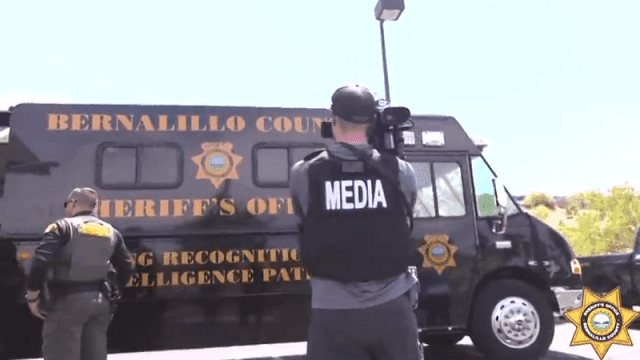
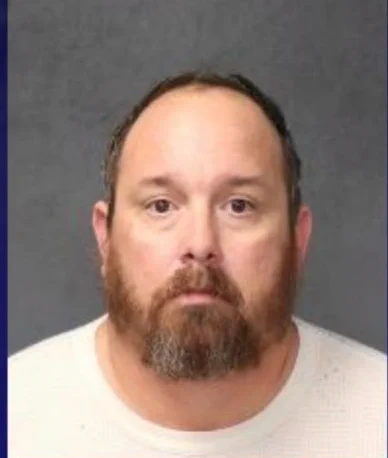
Rio Rancho judge orders arrest warrant in license plate reader vandalism case
A Rio Rancho judge said she will issue a warrant for Jevon Martinez after he said he would keep tearing down license plate readers across the city.
A Rio Rancho judge said Monday she will issue an arrest warrant for Jevon Martinez after a hearing in the city’s license plate reader vandalism case, turning a property crime into a direct test of public-safety enforcement. Martinez, 44, said he had no intention of stopping his actions, a declaration that came after a bizarre court appearance and renewed questions about how fast the city can protect the camera network police use to track vehicle activity.
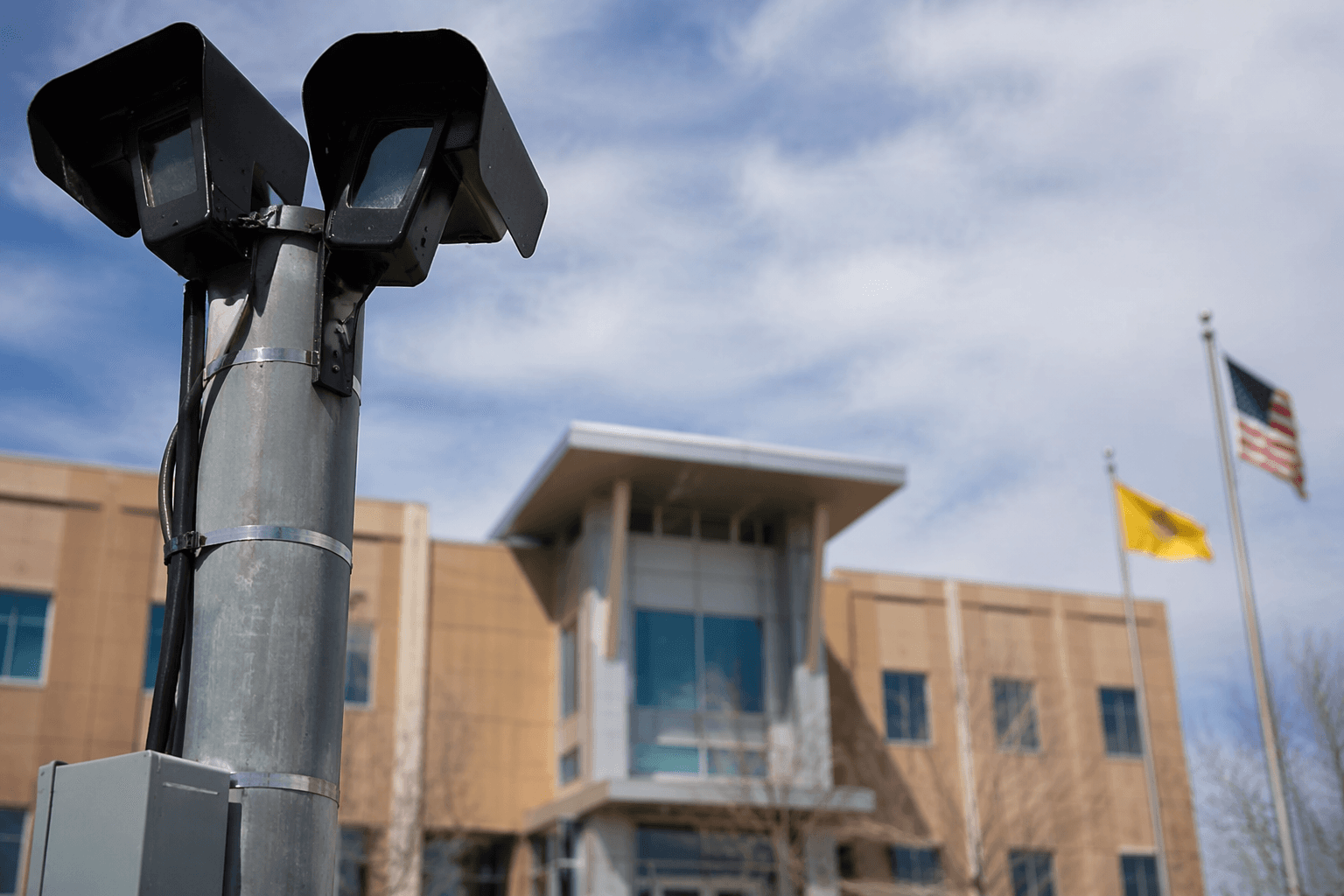
Police said at least three Flock-style readers were destroyed in Rio Rancho in May, and the damage was done in a way that made the scenes hard to miss. The cameras were found with solar panels stolen, flags placed on the poles, and one unit marked with a sign reading, “You’re welcome, Republic of New Mexico.” Earlier allegations put the damage at more than $10,000, while later reporting placed the total above $20,000. Martinez was summoned on three counts each of larceny, criminal damage to property and tampering with evidence.
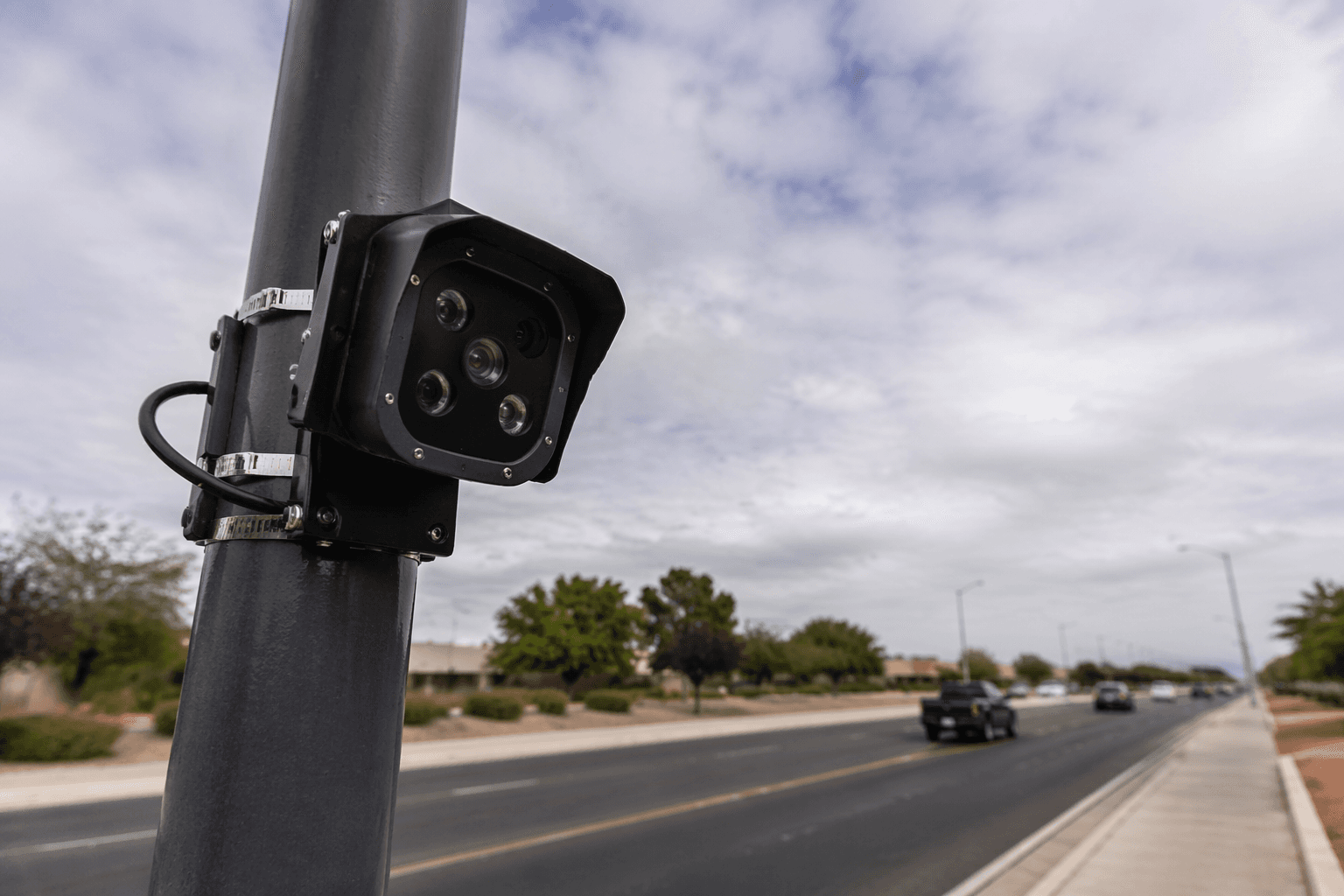
The case has also drawn attention because investigators say Martinez did not just strike once. One account said he admitted in an interview that he destroyed or removed Flock equipment from multiple locations, and another said police tied him to the case through videos he recorded on his phone. The arrest warrant now gives the court a new tool to force the case forward after weeks in which the missing cameras have left gaps in a system meant to help investigators solve crimes and monitor traffic patterns.
Rio Rancho has used automated traffic-enforcement equipment since 2011 through its Safe Traffic Operations Program, a violator-funded system supported by equipment and maintenance from Verra Mobility. That history now sits alongside a new statewide limit on reader data: Senate Bill 40, the 2026 Driver Privacy and Safety Act, restricts how law enforcement can use and share automated license plate reader information and makes that data confidential under the Inspection of Public Records Act.
The dispute has also landed in the middle of a larger fight over surveillance in New Mexico, where residents have pressed their concerns at city council meetings and privacy advocates, including the ACLU of New Mexico, have warned about oversight. In Rio Rancho, the immediate issue is still practical: damaged cameras, repair bills, and a city trying to keep a public-safety network in place while one of the accused says he is not done.
This article was produced by Prism’s automated news system from verified source data, official records, and press releases, then run through automated quality and moderation checks before publishing. The system is built and supervised by the people who set the standards it runs under. Read our full AI policy.
Did this article answer your question?