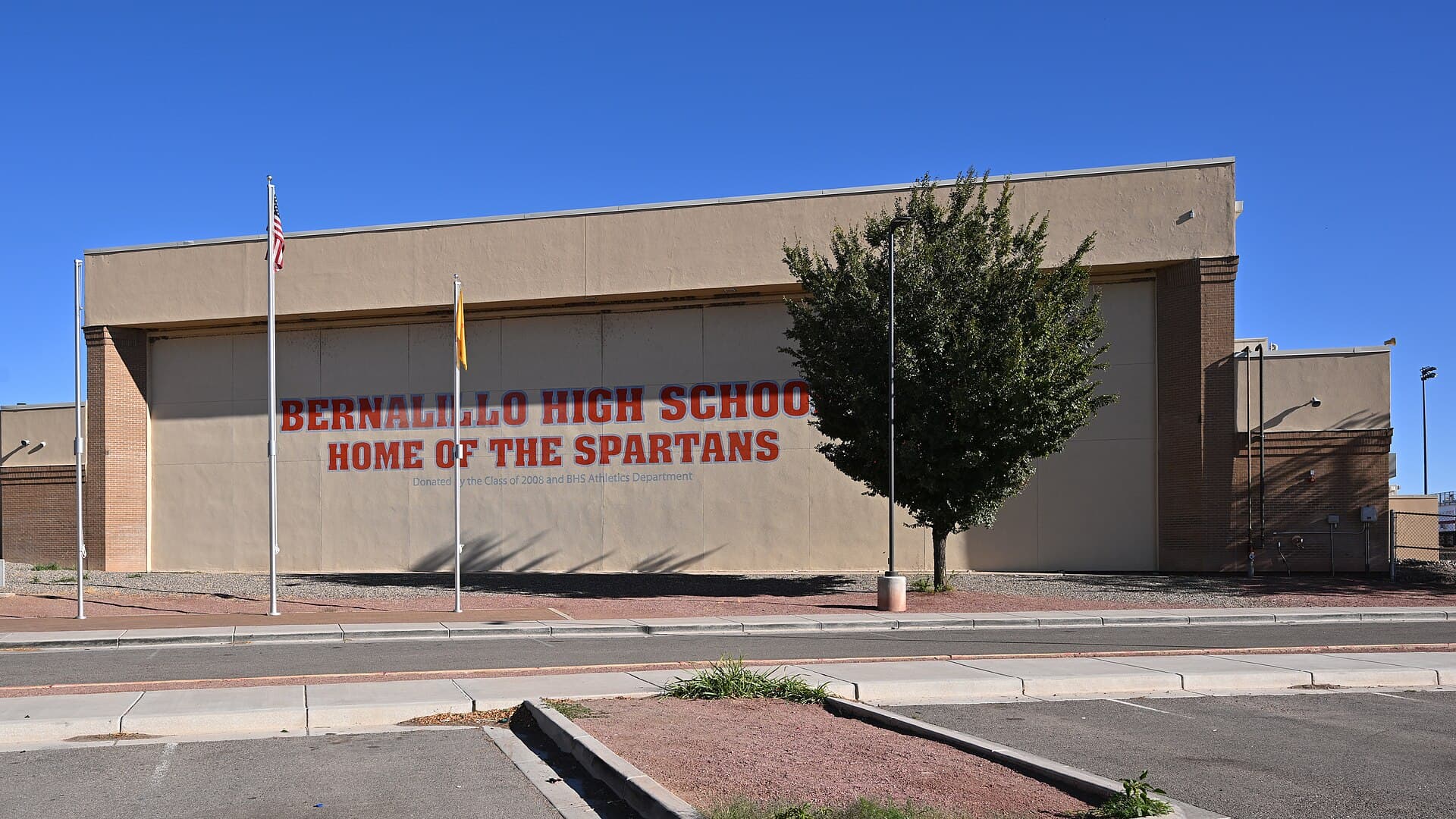
Rio Rancho schools eye spending cuts, 3% workforce reduction amid budget gap
Rio Rancho schools could leave jobs unfilled and reshape staffing next year as leaders confront a budget gap tied to falling enrollment and expanding programs.

Rio Rancho Public Schools is preparing a spending reset that could be felt in classrooms, offices and support services across Rio Rancho if leaders move ahead with a roughly 3% workforce reduction. District officials said that would not mean layoffs, but would likely mean leaving some vacancies open and shifting employees between positions as they try to match staffing to enrollment.
The Board of Education is expected to vote on an operating budget of about $257 million on May 11, and the district must send its budget to the New Mexico Public Education Department by the end of May. That makes the decision immediate for families, teachers and campus staffs who could see changes in class sizes, program support and day-to-day staffing next school year.
Chief operations officer Mike Baker told board members the district needs to realign spending because declining enrollment and the expansion of programs have made the current model unsustainable. Leaders said the problem is not a short-term hiccup, but a structural mismatch that has been building over multiple budget cycles.
Superintendent Dr. Robert “Robby” Dodd is using his 100-day entry plan as part of that reset. The plan includes visits to all 21 RRPS schools, conversations with students and parents, an inventory of staffing and programs at each school, and a review of major programs and recent spending trends. District leaders have framed the budget work as a precursor to a broader strategic plan, with the goal of aligning resources to enrollment patterns and staffing realities before deeper cuts become necessary.
The district’s financial pressure has been compounded by recent policy and operational changes. In the 2025 legislative session, Rio Rancho Public Schools received a 2% increase in school funding and a 1% increase in school employee pay, but also faced higher district health insurance costs. Last year, the board approved a $253.3 million operating budget for 2025-26, showing how quickly the district’s financial picture has tightened.
RRPS has already made difficult enrollment-driven decisions. In 2023, the board closed SpaRRk Academy, the district’s virtual school, citing declining enrollment and an average per-student cost of $11,327. At the same time, the district’s website shows an $80 million bond measure over four years, including plans for a new pre-K facility, underscoring how RRPS is trying to expand in some areas while shrinking in others.
For Sandoval County families, the debate now is less about accounting than about what school will feel like next year: who is in the building, how many staff members stay in place and which programs RRPS can still afford to carry.
This article was produced by Prism’s automated news system from verified source data, official records, and press releases, then run through automated quality and moderation checks before publishing. The system is built and supervised by the people who set the standards it runs under. Read our full AI policy.
Did this article answer your question?