Rio Rancho schools seek new vape detection tech after FDA approval
Rio Rancho schools weighed new vape detectors as federal approval of flavored devices raised the stakes for student nicotine use and district spending.
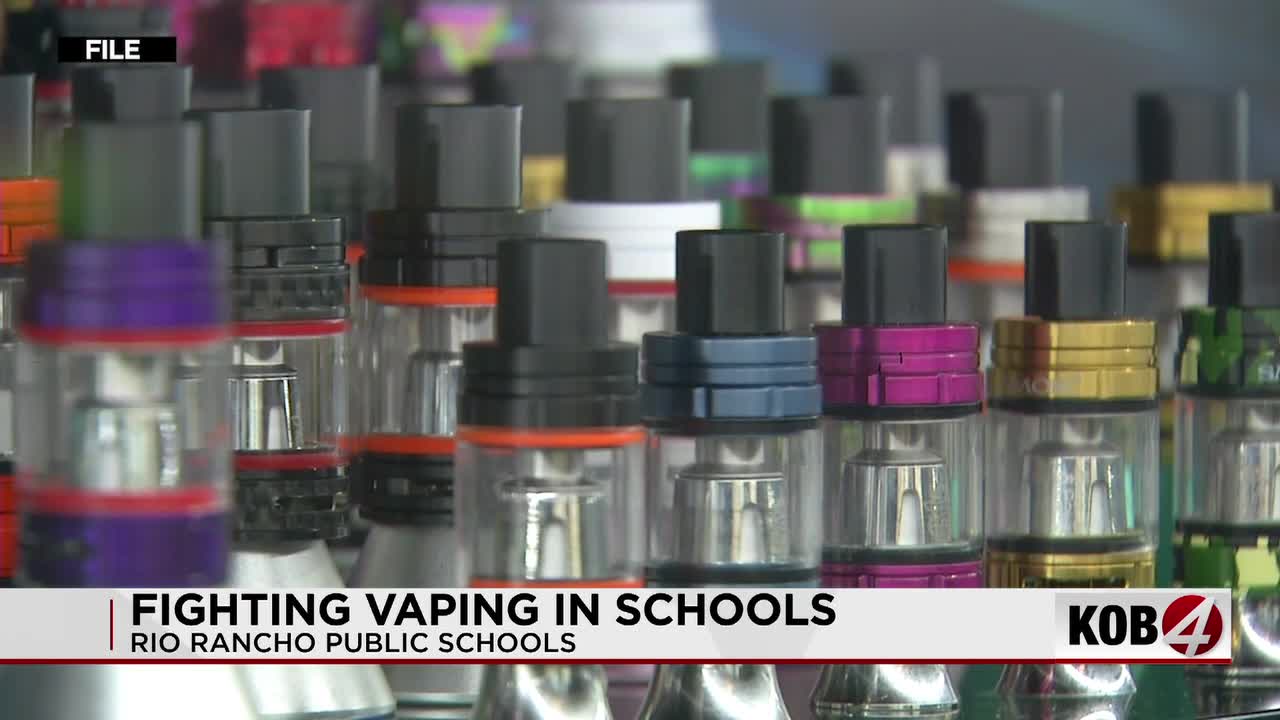
Rio Rancho Public Schools was already shopping for new vape-detection equipment when the federal government moved to approve four flavored Glas nicotine products, a change that could make the district’s current tools harder to justify to taxpayers if they do not work.
Safety and Security chief Salvatore Maniaci said the district had used e-cigarette detection equipment before, but staff were not satisfied with how it performed. The district now wants a replacement this summer, a decision that puts procurement, installation costs and proof of results at the center of the discussion for a system that serves 20 schools, three support sites, more than 17,000 students and about 2,500 employees.

The FDA authorized the marketing of four Glas electronic nicotine delivery systems on May 5, including mango, blueberry, Classic Menthol and Fresh Menthol. For Rio Rancho, the concern is not only that flavored devices are available, but that flavors remain especially attractive to young people at the same time schools are trying to police bathrooms, hallways and other hidden spaces where vaping often happens.

Nationally, the Centers for Disease Control and Prevention said 5.9% of U.S. middle and high school students, about 1.63 million youth, currently used e-cigarettes in 2024. The agency also said 87.6% of youth e-cigarette users reported using flavored products, even as high school vaping fell from 10.0% in 2023 to 7.8% in 2024. In New Mexico, a lawsuit filed by the state Department of Justice on March 31 said roughly one in five high school students vaped in 2023, a rate above the national average.
That backdrop makes the district’s equipment search a question of effectiveness, not just compliance. Maniaci said student devices are sometimes imported from China and may contain unknown amounts of nicotine or other chemicals, which means schools are trying to detect a moving target as manufacturers change products quickly. Public Health Ontario has said it found no relevant published evidence that vape detectors work in schools or on school property, while also flagging cost, maintenance and privacy concerns.
Rio Rancho has spent before on layered security. In August 2023, the district partnered with Evolv Technology to install weapons-detection screening at V. Sue Cleveland High School and said it planned to add more than 20 Express systems over the following years. The vape-detection search now tests whether the district can show a similar return on investment, or whether another round of technology spending would chase a problem the devices cannot reliably measure.
This article was produced by Prism’s automated news system from verified source data, official records, and press releases, then run through automated quality and moderation checks before publishing. The system is built and supervised by the people who set the standards it runs under. Read our full AI policy.
Did this article answer your question?