Rio Rancho weighs District 4 council pick amid widespread board vacancies
Rio Rancho had 11 applicants for its District 4 council opening, but nine of 11 city boards still had vacancies and one key panel had only one member left.
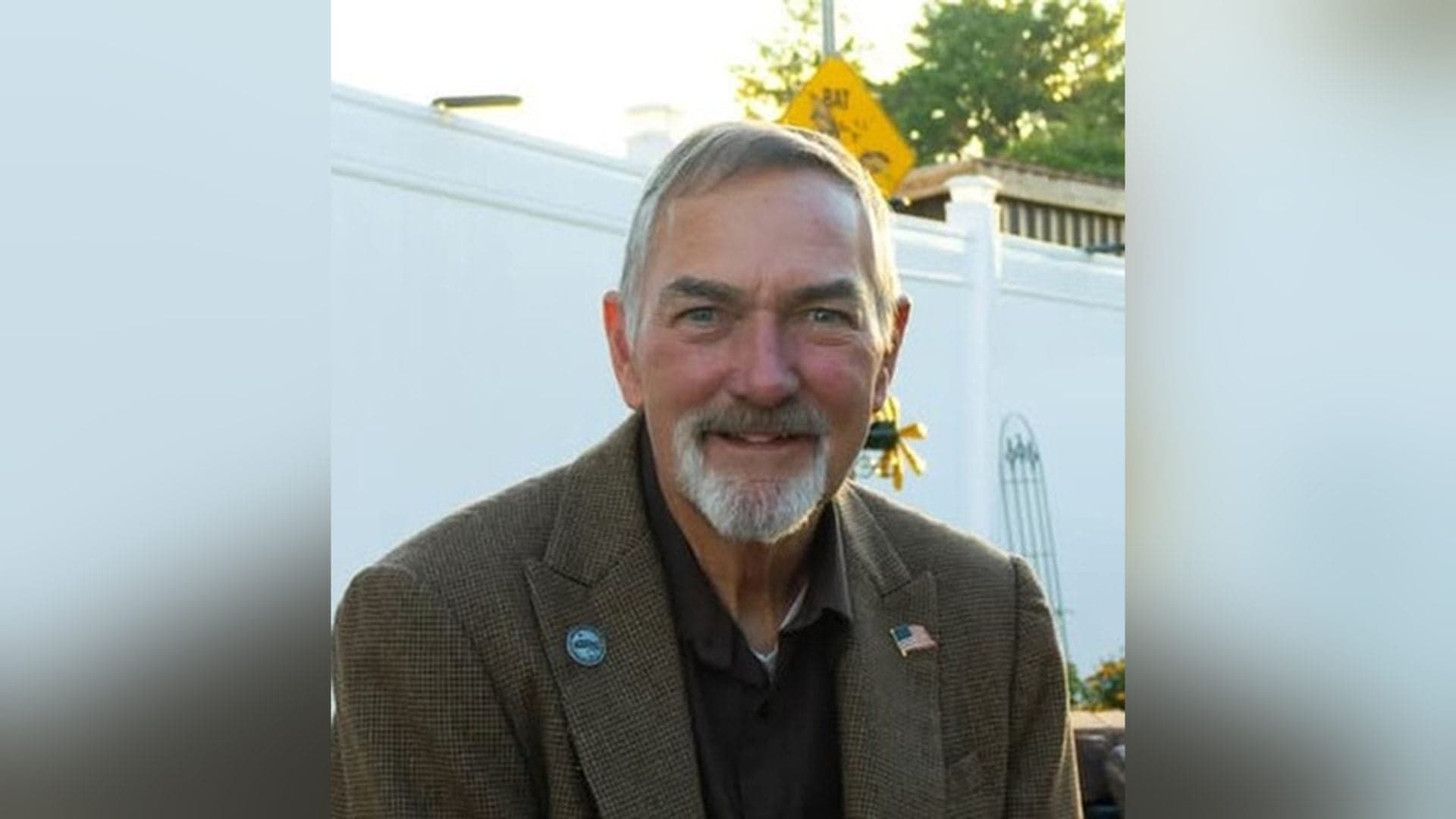
Rio Rancho’s search for a new District 4 council member exposed a bigger problem than one empty seat: the city was trying to keep almost all of its boards, commissions and advisory bodies staffed at the same time. The vacancy crunch had already forced some meetings to be canceled when boards could not reach quorum, a warning sign for a fast-growing city that depends on those panels to review policy, infrastructure and public spending.
The city received 11 applications by the May 26 deadline for the District 4 seat left open when Paul Wymer became mayor. Nine of those applicants were qualified because they met residency requirements. Wymer then had 60 days to submit a name to the governing body for approval, and the City Council will ultimately decide who serves out the rest of the term.
District 4 covers both sides of NM Highway 528 and stretches from Unser Boulevard west to Sabana Grande Avenue, putting the appointment squarely in one of Rio Rancho’s most visible growth corridors. The next council member will represent residents and businesses in an area where zoning, traffic and neighborhood expansion often collide.
The council seat, however, was only one piece of the staffing problem. Nine of the city’s 11 boards had at least one vacancy, and several had already run into quorum trouble. The Public Infrastructure Advisory Board stood out most sharply, with six vacancies on its seven-member roster. That left one of the city’s main infrastructure advisory panels nearly unable to function.
Wymer said the city drew a strong response to the vacancy notice and that he looked forward to interviewing the finalists. Even so, the broader pattern pointed to a deeper governance strain: when too few residents step forward, the same small pool of volunteers can end up carrying the work of multiple public bodies.
That has real consequences for representation. Advisory boards are often where land-use questions, infrastructure priorities and budget recommendations first take shape before they reach the council floor. If those seats remain open, Rio Rancho risks slowing the pipeline of public input and narrowing the range of voices shaping city decisions.
This article was produced by Prism’s automated news system from verified source data, official records, and press releases, then run through automated quality and moderation checks before publishing. The system is built and supervised by the people who set the standards it runs under. Read our full AI policy.
Did this article answer your question?