Sandoval County board explains how lodger’s tax funds tourism promotion
A Sandoval County hotel tax is meant to pay for tourism promotion, but the spending trail runs through quarterly board meetings and county commission approval.
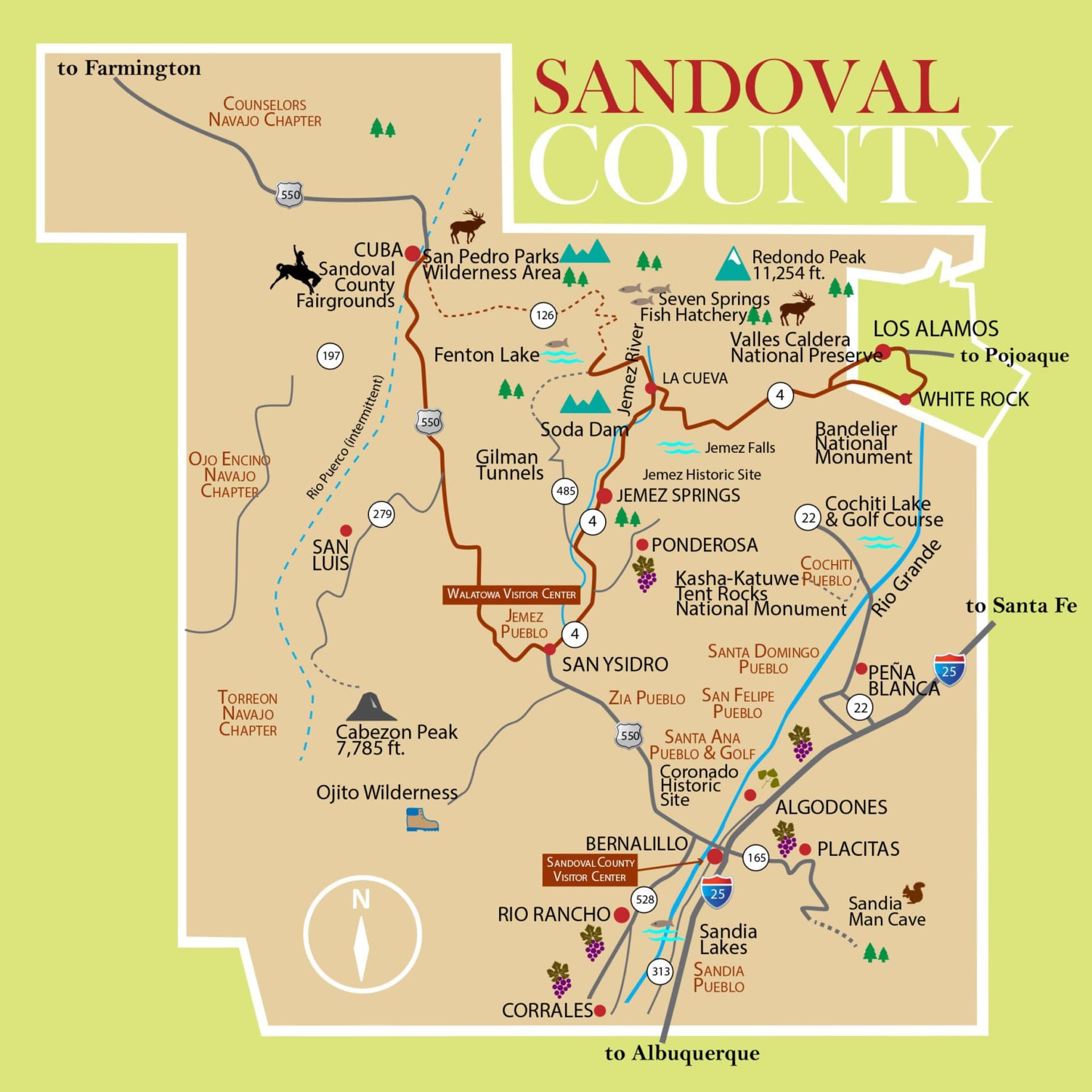
Every taxable room night in Sandoval County feeds a fund meant to sell the county back to visitors. The dollars start on a hotel bill, move through a quarterly advisory board in Bernalillo, and only become county action when commissioners fold the spending into the budget.
How the tax is built
New Mexico’s Lodgers’ Tax Act dates to 1969, and state guidance says counties and municipalities may adopt an optional occupancy tax of up to 5% of gross taxable rent on commercial lodging accommodations. Sandoval County adopted its Lodger’s Tax Ordinance on Sept. 19, 1996, and the ordinance says the money is supposed to pay for advertising, publicizing and promoting tourist attractions and related facilities.
That makes the tax a dedicated tourism tool, not general revenue. At the state ceiling, every $100 in gross taxable rent can generate up to $5 in lodgers’ tax, which is why the policy matters to hotel guests, lodging operators and the broader tourism economy. The county’s own page says the ordinance generates revenue for marketing and promotion, which is the public promise that should be visible in how the money is spent.
Who sits at the table
The Sandoval County Lodger’s Tax Advisory Board meets quarterly, and the meeting record makes clear that it is a real public body, not just a label on a webpage. The board met May 15, 2023 at 11:00 a.m. and again Oct. 6, 2025 at 10:00 a.m., both times at El Zocalo Event Center, Salazar Building, 2nd Floor Offices, 264 S. Camino Del Pueblo in Bernalillo.
Public comments and past agendas and minutes are available through the county website under the Economic Development Department. A meeting notice for April 22, 2024 also gave a special-assistance phone number, 505-867-7599, for people with disabilities who needed help participating.
The board’s 2025 interest form shows the membership structure the county is aiming for: one owner or operator of lodging subject to the tax in the unincorporated county, one owner or operator of an industry in the unincorporated county that serves the tourism industry, and one resident of the unincorporated county representing the general public. That design puts lodging, tourism business and public representation in the same room before spending priorities are set.
The January 6, 2025 minutes name Mary Street of Ponderosa Winery as the tourism-industry representative, Larry O’Hanlon as the short-term-rental owner, and Ruth Bouldes of Village Placitas as the resident representative, alongside county tourism staff Natashia Remchuk and D. Dominguez. April 7, 2025 minutes again list Mary Street and county tourism staff, while Anne Soto, a short-term-rental owner, was not in attendance.
Where approval happens
The advisory board is only the first stop. Sandoval County’s budget duties page says the Board of County Commissioners reviews and adopts the annual budget at public hearing and approves budget resolutions throughout the fiscal year. That is the formal point where tourism spending moves from discussion to authorization.
For residents, that matters because it separates recommendation from power. The board can surface priorities, but commissioners hold the final budget authority, which means any serious audit of lodgers’ tax spending has to follow the chain from board discussion to county commission action. If the money is not visible in the budget documents, it is not visible in public accountability terms either.
What the county says residents should get back
State finance officials describe the broader payoff of tourism dollars in practical terms. In a 2024 presentation on lodgers’ tax best practices, the Department of Finance and Administration said tourism spending can bring customers and sales to local businesses, generate local and state tax revenue, support community amenities, create jobs and career advancement opportunities, and help communities preserve cultural assets.
That is the benchmark Sandoval County has to meet. The county is not a single tourism market, and its mix of mountain communities, river valleys, historic villages, recreation corridors and fast-growing suburban areas means marketing cannot be one-size-fits-all. A lodgers’ tax should be able to support promotion that reaches visitors coming for outdoor recreation, history, events or overnight stays across places like Bernalillo, Rio Rancho, Corrales, Jemez Springs, Cuba and Village Placitas.
That geographic spread also explains why the board composition matters. A representative from Ponderosa Winery, a short-term-rental owner, and a resident from Placitas bring different experiences of what actually drives visitors through the county. If the money is spent well, the return should show up beyond the lodging industry itself in restaurant traffic, event attendance, retail sales, winery visits, and visitor spending that reaches communities outside the hotel corridor.
What to watch in the public record
The central local question is not whether Sandoval County can describe the tax. It can. The question is whether room-tax dollars produce a visible economic payoff that residents can trace outside the hotel industry. That means looking for line items, project names and spending decisions that connect the tax to specific communities and specific visitor-facing outcomes.
The public record already sets the framework: a 1969 state law, a 1996 county ordinance, quarterly advisory meetings in Bernalillo, and final budget authority in the county commission. What remains for residents is the harder part, making sure the promised tourism payoff shows up in the places that host the visitors, not just in the accounting that follows them.
This article was produced by Prism’s automated news system from verified source data, official records, and press releases, then run through automated quality and moderation checks before publishing. The system is built and supervised by the people who set the standards it runs under. Read our full AI policy.
Did this article answer your question?