Sandoval County business registrations apply to unincorporated areas only
Sandoval County registration is for unincorporated areas only, including the county campus, and the wrong address can send a new owner into the wrong filing path.
Sandoval County’s registration applies only to businesses in the unincorporated areas, including the Sandoval County Administration Campus location. A city license does not cover every address in Sandoval County, so the first job is to pin down exactly which government regulates the site.
Know which jurisdiction owns your address
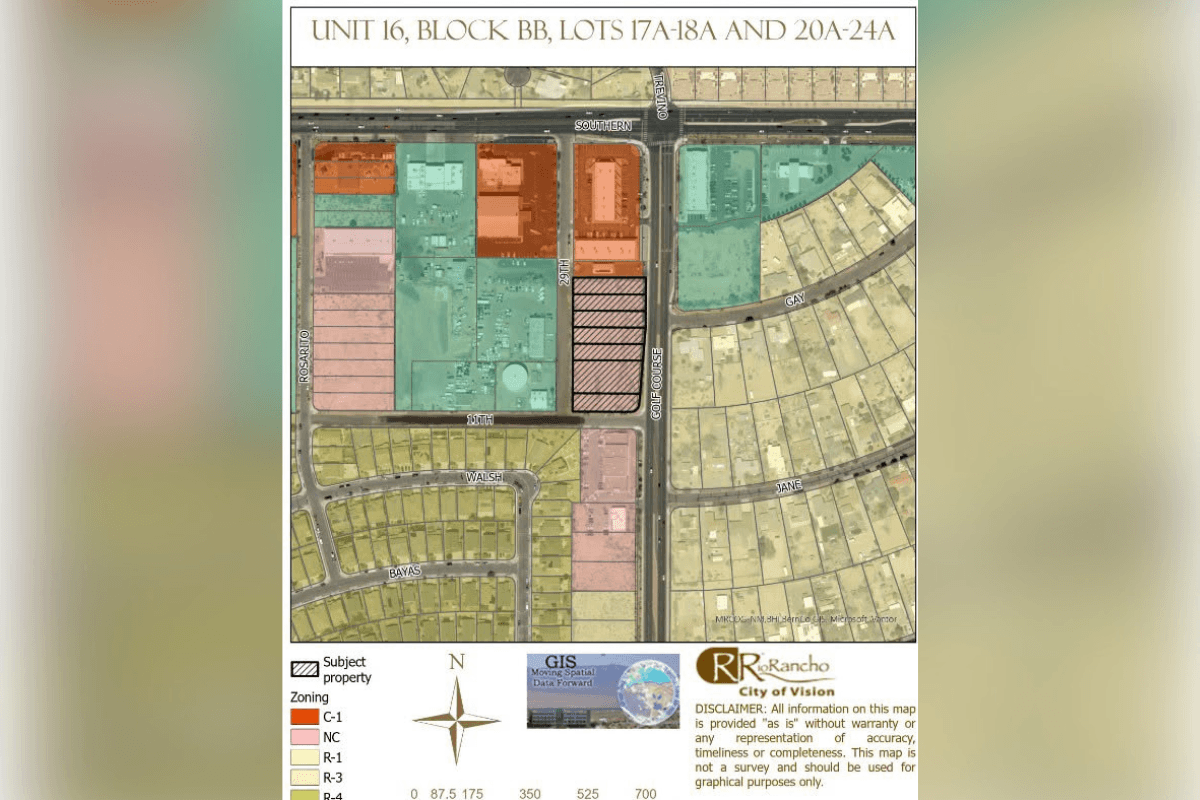
The first question is where the business is actually located. If the answer is a city or village address, the filing path can be different than for an office, home occupation, or roadside operation outside incorporated limits. That matters in a county with multiple communities and boundary lines, where a shop near Rio Rancho or Bernalillo can sit in one jurisdiction while the next property over falls under another.
For businesses outside a city’s incorporated boundary, Sandoval County requires a registration. For a would-be owner, that means a county form is not a backup plan or a generic state filing substitute. It is the local step that applies when the address is outside a city’s incorporated boundary.
What the county forms actually ask for
Sandoval County’s new-business and renewal forms were revised 3/25/21, and they are not limited to storefronts. The application status choices include New, Non-Profit, Home Occupation, Change of Location, Home Based, and Renewal, so the county expects filings from home businesses and owners moving from one site to another as well as traditional commercial spaces.
The forms also require a physical location, mailing address, owner name, email address, a New Mexico CRS number, and a business type or NAICS code. That mix of fields matters because it forces the owner to identify both the place of business and the tax classification before opening day. If your plan is a home-based consultancy, a seasonal roadside stand, or a service company opening an office outside a city boundary, those details are part of the county’s starting point, not an afterthought.
Before you open the doors: a Sandoval County checklist
1. Confirm the jurisdiction before you sign anything.
If the address is in an incorporated city or village, Sandoval County’s unincorporated-area registration may not be the right filing. A lease, a home office, or a roadside stand can look simple on paper while sitting on the wrong side of a boundary line.
2. Match the filing type to the way you will operate.
Sandoval County’s forms separate New, Renewal, Non-Profit, Home Occupation, Change of Location, and Home Based filings, so the county is asking you to describe the business model, not just the name on the door. That distinction helps prevent the common problem of filing as a standard commercial site when the operation is actually home-based or moving locations.
3. Gather the numbers and identifiers the county asks for.
Have the New Mexico CRS number, NAICS code, physical location, mailing address, owner name, and email ready before you start. The faster those fields match the real business setup, the less time you spend correcting a filing after you have already lined up inventory, advertising, or staff.
4. Budget for the local fee before you open.
Sandoval County’s Business Registration Fees Ordinance sets an annual business registration fee of $35.00 for each calendar year for each place of business in the unincorporated area. That fee is modest compared with the cost of reworking a mistaken filing, but it still changes the startup budget for owners with multiple locations.
5. Treat the county filing as part of the launch calendar.
A business that gets the jurisdiction wrong can end up filing the wrong application and then stopping to fix the paperwork before it moves forward. That can delay an opening, create extra back-and-forth with the clerk, and leave a new owner paying close attention to compliance when the focus should have been on sales.
Why a home business, a stand, and a boundary-line shop all need extra care
A home-based business in rural Sandoval County can look informal, but the county forms specifically include Home Occupation and Home Based categories. A roadside stand can raise the same question if it sits outside incorporated limits and needs county registration rather than a city process. And a shop near a municipal boundary can easily be misread by owners who know the mailing address but not the zoning or jurisdiction.
A business can have a polished website, a state tax number, and a signed lease, yet still need the county’s unincorporated-area registration before the doors open. The safest path is to identify the exact parcel, then match it to the correct government office before buying signage or taking first-day orders.
How Sandoval County fits into a broader business network
The county does not treat registration as a stand-alone form. Sandoval County’s Business Resources page points owners toward WESST’s “Running A Successful Small Business” material.
The registration page sits within Sandoval County’s Business Development area.
How neighboring rules show the same jurisdiction lesson
Sandoval County is not alone in drawing a line between incorporated and unincorporated areas. Santa Fe County says it is necessary to obtain and maintain a business license to operate in the unincorporated areas of the county, while the City of Rio Rancho ties business license and registration type to both the kind of business and the location of the business. Valencia County’s form lists a $25.00 business registration fee and a $35.00 annual renewal fee, which shows how much local requirements can vary from county to county.
The Sandoval County fee is $35.00 per calendar year for each place of business in the unincorporated area.
This article was produced by Prism’s automated news system from verified source data, official records, and press releases, then run through automated quality and moderation checks before publishing. The system is built and supervised by the people who set the standards it runs under. Read our full AI policy.
Did this article answer your question?