Sandoval County deploys new mosquito control technology along Rio Grande
Sandoval County began rolling out new mosquito-control technology along the Rio Grande and bosque, targeting Aedes mosquitoes before West Nile risk rises.

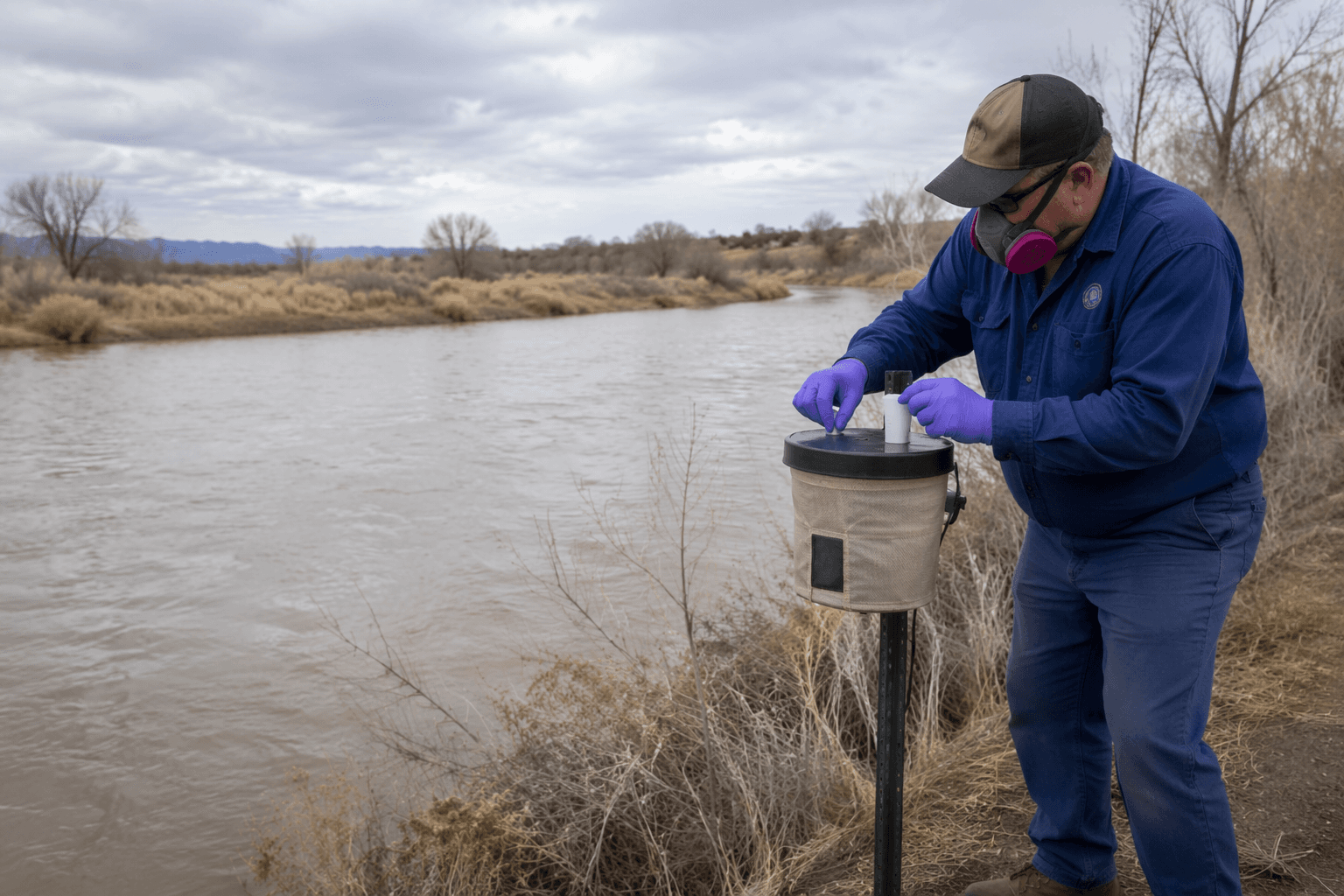
Sandoval County began using new Vector Control Services technology on June 29 along the Rio Grande and in the bosque, putting its first effort where mosquito breeding is most likely to flare into a nuisance or a health problem. County officials said the system is designed to stop eggs from hatching and to cut mosquito populations, with special attention to Aedes aegypti and Aedes albopictus, two species the Centers for Disease Control and Prevention flags as surveillance and control priorities.
The move puts the county’s response squarely in the places residents know best: the river corridor and the cottonwood bosque that stretch through the county’s low-lying, warmer areas. Those habitats can hold standing water and dense vegetation, which gives mosquitoes the conditions they need to multiply quickly as summer heat builds.
Sandoval County’s contract process for the work opened March 29, with bids due April 28 at 3 p.m. MDT. The county’s request for proposals said the successful offeror would work with the Sandoval County Board of County Commissioners on controlling both mosquito larvae and adult mosquitoes using state- and federally approved chemicals.
That fits New Mexico’s public-health structure, where mosquito control is the responsibility of counties or municipalities and the New Mexico Department of Health provides technical assistance and consultation. In practice, the county is taking the lead locally while state health officials watch for disease activity and help guide response.
The timing matters. On June 23, the New Mexico Department of Health said mosquitoes infected with West Nile virus had been detected in Bernalillo County near the Rio Grande, a sign that the virus is circulating in the region. State health officials said New Mexico reported 27 human West Nile cases in 2024, and cases have occurred in the state every year since 2003.
The county’s focus on Aedes mosquitoes also reflects the CDC’s broader warning that Aedes aegypti and Aedes albopictus can transmit dengue, chikungunya, Zika and yellow fever. The CDC’s range maps rely on county-level records, historical records and climate variables, which makes local surveillance and control decisions especially important in valleys where conditions can shift quickly from dry to mosquito-friendly.
Corrales says its mosquito spraying season generally runs from mid-April through mid-September, a reminder that control efforts in the central Rio Grande valley usually stretch across most of the warm months rather than arriving as a single treatment. Sandoval County’s first deployment along the Rio Grande and in the bosque shows the county is trying to get ahead of that season, not chase it after complaints and illness concerns start to climb.
This article was produced by Prism’s automated news system from verified source data, official records, and press releases, then run through automated quality and moderation checks before publishing. The system is built and supervised by the people who set the standards it runs under. Read our full AI policy.
Did this article answer your question?


