Sandoval County sheriff closes 23-year Cochiti case as ancient remains
A 23-year Cochiti file is closed after sheriff’s officials determined the remains were from a man who lived about 1,000 years ago, not a modern victim.

What started as a possible unresolved death near Cochiti has been closed as something far older. Sandoval County sheriff’s officials said remains found 23 years ago belonged to a male who lived about 1,000 years ago, turning a long-running law-enforcement mystery into a case about archaeology, history and how the county handles discoveries in a place where cultural and jurisdictional lines overlap.
The sheriff’s office announced the determination on June 5, and the file is no longer being treated as a modern unidentified-remains case. That matters in Sandoval County, where the Town of Cochiti Lake sits alongside all or portions of 12 Indian Pueblos and Tribal Nations, and where finds near Cochiti can carry both public-safety and cultural significance. In practical terms, the reclassification closes a 23-year-old file not because someone was arrested, but because investigators concluded the evidence itself was not evidence of a recent crime.
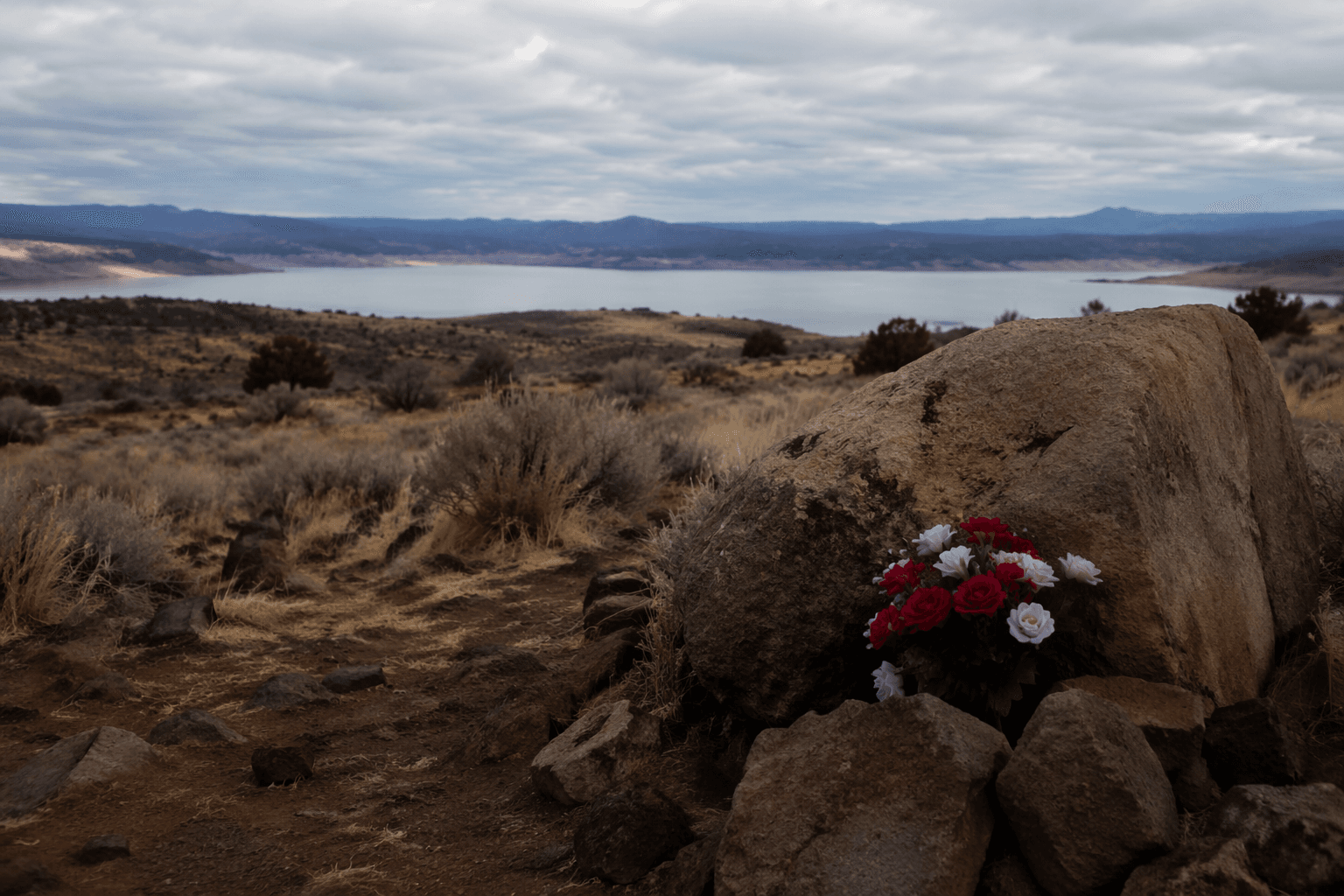
That distinction is important for accountability and protocol. A case that once belonged to detectives now reads more like an archaeological identification, which changes the question from who died here to what was actually found here. Sandoval County’s own historical materials say prehistoric artifacts in many areas of the county date back thousands of years, underscoring that ancient remains are not out of place in a region with deep human history. Near Cochiti, that means future discoveries will likely need careful sorting at the point where law enforcement, land use and cultural heritage meet.
The office’s broader record shows that it has recently relied on both forensic science and outside partners to clear other unidentified-remains cases. In a January 27 county update, officials said all but one unidentified human remains case had been identified at that time. In July 2025, the county said hikers found skeletonized human remains in May 2001 in the Santa Fe National Forest and that advances in DNA technology, along with work by Othram, Inc., led to the identification of Kimo Mahi.
The Cochiti case sits in a different category from those modern identifications, but it points to the same institutional need: know what the evidence is before deciding how to handle it. National Park Service material places Pueblo de Cochiti about 35 miles southwest of Santa Fe and describes it as the northernmost Keresan-speaking pueblo in New Mexico. The same material says Ancestral Pueblo people lived in the broader region from about 1150 CE to 1550 CE, a timeline that fits the sheriff’s conclusion that the remains were ancient rather than contemporary.
This article was produced by Prism’s automated news system from verified source data, official records, and press releases, then run through automated quality and moderation checks before publishing. The system is built and supervised by the people who set the standards it runs under. Read our full AI policy.
Know something we missed? Have a correction or additional information?
Submit a Tip