Santa Ana Pueblo, Lescombes Family Vineyards partner to expand local wine supply
Santa Ana Pueblo’s 26-acre Tamaya Vineyard will supply Lescombes through October 2031, keeping more wine value in Sandoval County and strengthening a local “grown here” brand.

Santa Ana Pueblo has locked in a five-year wine deal that turns Tamaya Vineyard into a more visible economic asset for Sandoval County. The partnership with Lescombes Family Vineyards gives the Deming-based winery access to grapes grown on pueblo land, while the tribe gains a steadier buyer for fruit from its 26-acre vineyard on the Tamaya Indian Reservation.
The agreement, announced June 1 and set to run from the 2026 harvest season through October 2031, covers chardonnay, pinot noir and pinot meunier grapes. Ryan Garcia, the Pueblo of Santa Ana’s agriculture director, said the goal is to keep New Mexico products in New Mexico and produce quality goods for local consumers. Brandon Young, chief executive of Lescombes Family Vineyards, said the deal helps the winery sell authentic New Mexican wine, protects the heritage and stewardship of Native land and reduces the cost of shipping fruit from out of state.
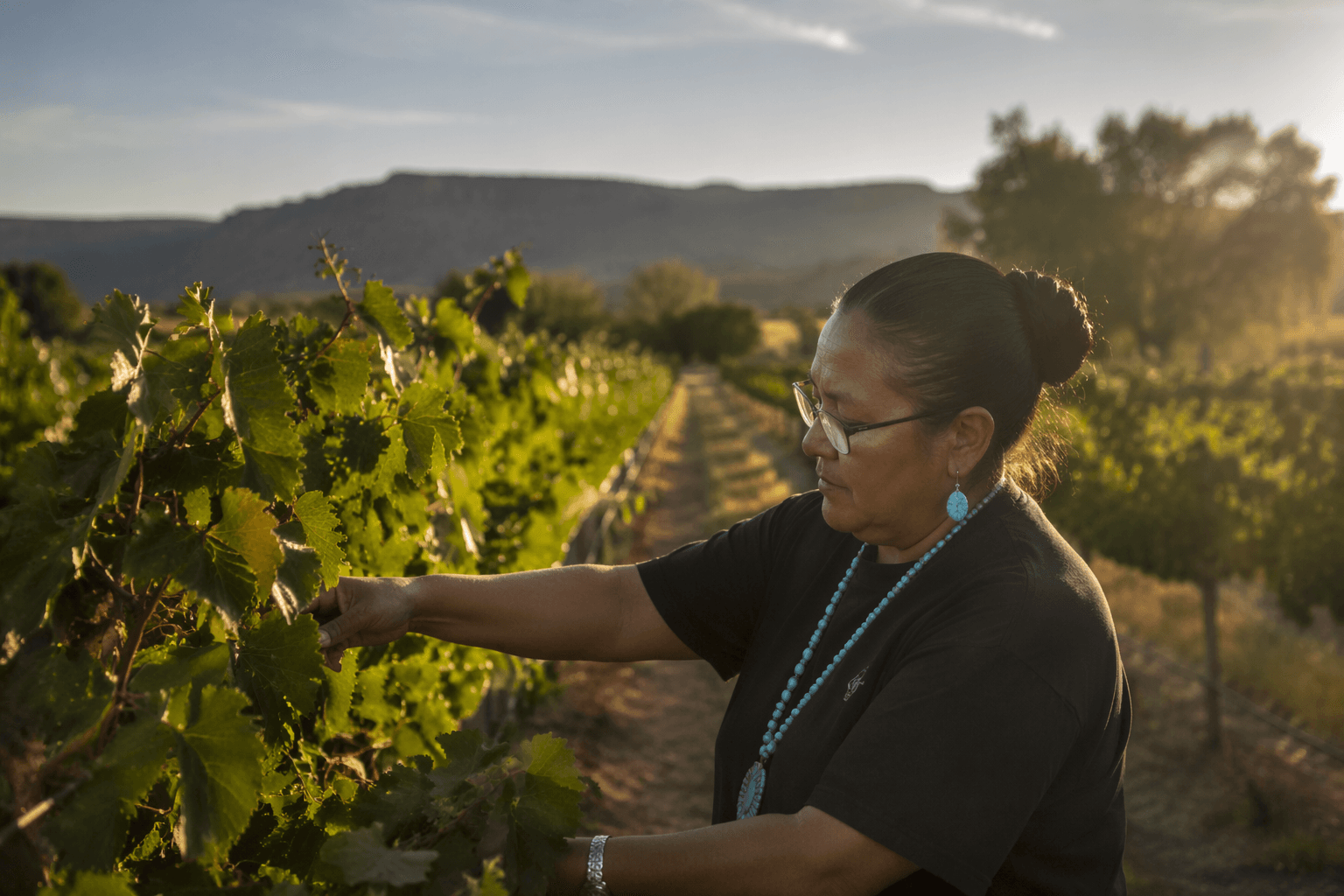
For Sandoval County, the practical change is that Tamaya’s grapes now have a defined path into a larger in-state supply chain. Lescombes, which describes itself as New Mexico’s largest winery, said the partnership also brings generations of winemaking and viticulture expertise to the table. Young suggested the collaboration could eventually lead to a Santa Ana-specific wine, a sign that the vineyard may become more than a source of bulk fruit and could emerge as a distinct local brand residents and visitors encounter.
The deal also fits into a wine industry with deep New Mexico roots and real economic weight. New Mexico State University says grape growing and wine production in the state have grown about 10% a year over the last two decades, and the industry now generates about $1.12 billion in total economic activity. NMSU’s history work traces the first grape vines in the Upper Rio Grande to Franciscan monks who needed sacramental wine, with vineyards later stretching from Bernalillo to Socorro and from Las Cruces to El Paso. A Jesuit winery was founded in 1872, long before the modern industry began expanding in the 1970s.
The reservation itself adds another layer to the story. Santa Ana Pueblo says the Tamaya Indian Reservation covers about 79,000 acres in north-central New Mexico along the Rio Grande, with its southern border at Bernalillo. The pueblo created its Department of Natural Resources in 1996 to protect and enhance tribal resources, and Tamaya’s vineyard sits inside that broader effort to balance agriculture, stewardship and development. Tamaya also has practiced sustainability through cover cropping, mulching, seaweed-based bionutrients and reduced pesticide use, reinforcing the vineyard’s role as both a working farm and a long-term business asset for the tribe.
This article was produced by Prism’s automated news system from verified source data, official records, and press releases, then run through automated quality and moderation checks before publishing. The system is built and supervised by the people who set the standards it runs under. Read our full AI policy.
Know something we missed? Have a correction or additional information?
Submit a Tip