Tent Rocks Reopens Under New Co Management With Pueblo
Kasha Katuwe Tent Rocks National Monument has reopened under a new joint management arrangement between the Bureau of Land Management and Cochiti Pueblo, shifting more day to day authority to the Pueblo and introducing a reservation system to limit visitor numbers. This change affects Sandoval County residents who visit the site for recreation, and it will influence local traffic, tourism plans, and how the community balances access with protection of fragile landscape and cultural resources.
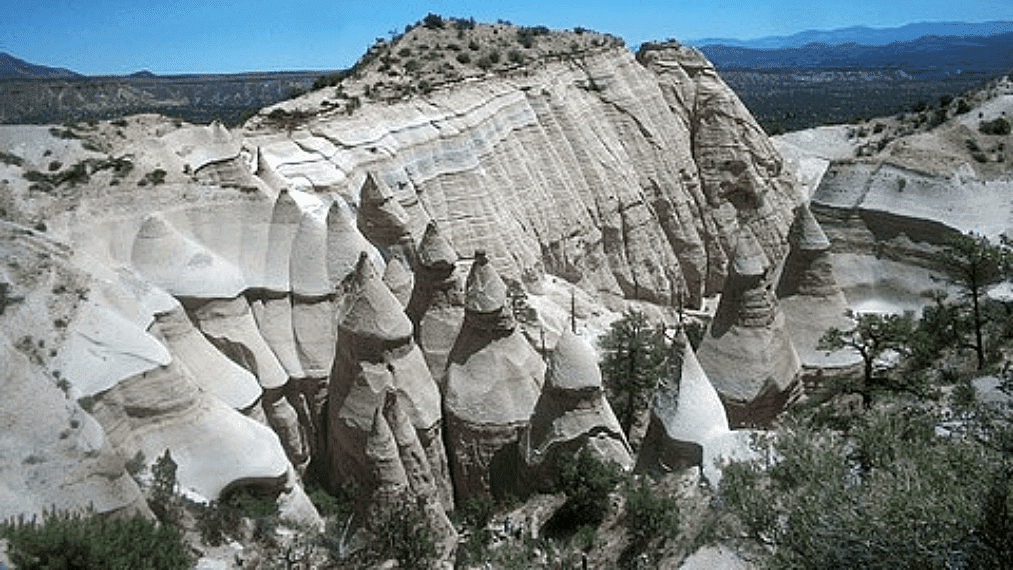
Kasha Katuwe Tent Rocks National Monument, commonly called Tent Rocks, reopened under a new joint management agreement between the Bureau of Land Management and Cochiti Pueblo that gives the Pueblo a greater role in routine operations and site stewardship. Visitor access is now managed with a reservation system on Recreation.gov to limit over visitation and reduce wear on the fragile geological formations and nearby cultural sites. The monument will operate on a seasonal schedule and may close periodically to honor Pueblo practices.
The management change aims to protect both natural and cultural resources while allowing controlled public access. By directing visitor flow through reservations, managers seek to reduce crowding on popular trails, limit roadside congestion on routes that serve Placitas, the Cochiti area, and parts of Rio Rancho, and decrease the environmental pressures that can follow unregulated visitation. For local residents who use the site for daily outdoor recreation or who rely on weekend tourism income, the reservation requirement will require planning ahead.
Public health and safety factors are part of the calculus. Managing visitor density lowers risk of trail accidents caused by overcrowding, reduces strain on emergency response resources, and helps maintain sanitation facilities during high use periods. The seasonal operation and potential closures tied to Cochiti Pueblo practices also reflect respect for tribal sovereignty and cultural priorities, which has implications for equitable access. Officials say the arrangement seeks to balance the Pueblo sovereignty and regional recreation needs without excluding Sandoval County residents, but the reservation system may create access barriers for people without reliable internet or transportation.

Local businesses that depend on outdoor tourism should anticipate shifts in visitation patterns. Traffic peaks may concentrate around reservation windows and special seasonal openings. Residents planning trips to Tent Rocks should check Recreation.gov for reservation requirements and current hours, and contact cooperating agencies for closure dates before traveling. That information will determine whether day trips remain feasible for families and small groups.
The new management model represents a broader effort to align federal land management with tribal governance and to protect a vulnerable landscape that is closely tied to Cochiti Pueblo cultural life. For Sandoval County communities, the change underscores the importance of planning, respect for tribal practices, and shared responsibility in preserving a regional landmark for future generations.
This article was produced by Prism’s automated news system from verified source data, official records, and press releases, then run through automated quality and moderation checks before publishing. The system is built and supervised by the people who set the standards it runs under. Read our full AI policy.
Did this article answer your question?