El Rancho de las Golondrinas links Santa Fe County to Spanish Colonial past
El Rancho de las Golondrinas lets Santa Fe County see the Camino Real in the ground, the buildings, and the crafts that kept Spanish Colonial New Mexico running.
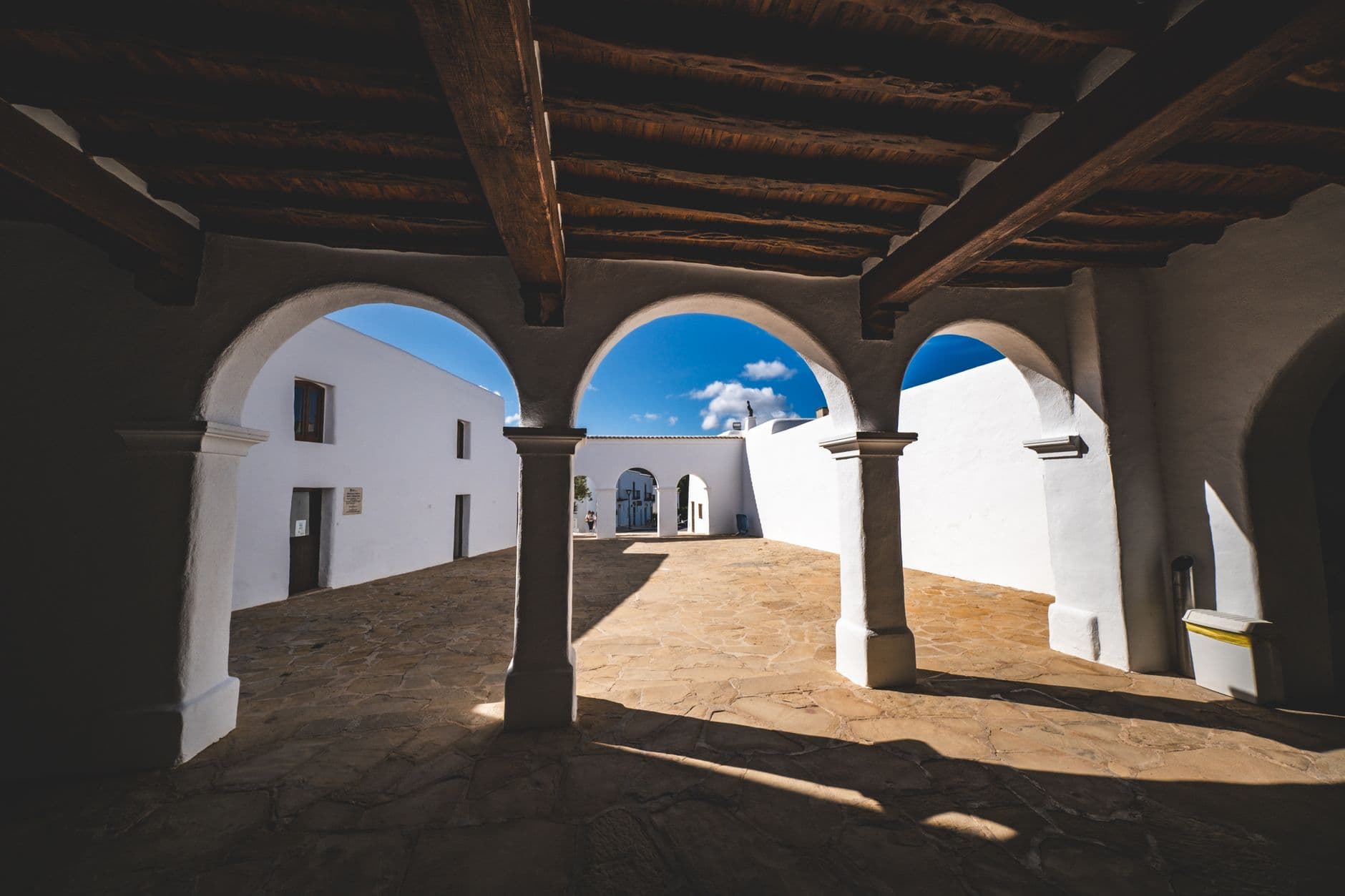
El Rancho de las Golondrinas gives Santa Fe County something a textbook cannot: a place where the Camino Real de Tierra Adentro can be read in the land itself. In La Cienega, south of Santa Fe, the living-history museum sits in the corridor that once carried caravans, goods, and people between Mexico City and Santa Fe. The National Park Service describes it as a paraje, a stopping and resting place, on the trail it calls the earliest Euro-American trade route in the United States.
A crossroads, not a backwater
The site’s value begins with geography. El Camino Real de Tierra Adentro stretched about 1,600 miles and was used for three centuries, connecting Mexico City with Santa Fe through northern New Mexico and the Rio Grande corridor. That matters for Santa Fe County because it places the area inside a long, organized system of movement, trade, and resupply rather than a distant frontier reached only at the edge of empire.
El Rancho de las Golondrinas helps residents see that history in concrete terms. A road corridor that moved people and goods over vast distances left behind more than dates and names. It shaped where stopping places appeared, where labor was concentrated, and how communities learned to survive in a high-desert environment where water, transport, and storage all mattered.
What the site makes visible
The strongest case for the ranch is that it turns history into something physical and visual. The museum interprets blacksmithing, weaving, milling, tinstamping, and hide tanning, which were not decorative traditions but essential trades for daily life. Those crafts supported tools, clothing, transport, household goods, and trade in the Santa Fe area for generations.

The ranch’s own guidebook frames the property with the welcome, “Welcome to the Ranch of the Swallows,” and describes it as an outpost in the vast Spanish empire. That language points to the whole system the site helps explain: plants, animals, buildings, and production methods arranged for survival. Visitors can see how land use, architecture, and skilled labor worked together in Spanish Colonial New Mexico, including the acequia-based water practices that organized farming and settlement.
That is why the site matters locally in a way a printed account never can. A classroom can describe the Camino Real, but it cannot show how a blacksmith’s work connected to travel, or how milling and tanning fit into the same economy that sustained a household and a caravan stop. At El Rancho de las Golondrinas, the landscape itself becomes evidence.
How the museum presents the story
El Rancho de las Golondrinas opened as a living history museum in 1972, giving an older landscape a public institution that could interpret it for modern audiences. The museum’s Guidebook, written by Daniel Goodman and Christine Mather in 2015 and published in a 2024 PDF version, and the Explorer’s Guide created by Laura Griego, the museum’s director of education, in 2025 both reinforce the same core idea: the ranch was a paraje along El Camino Real through the 1600s, 1700s, and 1800s.
Those materials matter because they show the site is not frozen as a ruin. It is an educational institution with a long-running interpretive mission, one that links the Spanish Colonial past to the present-day county. The museum’s history page and the National Park Service both place it within the wider story of northern New Mexico, where travel routes, ranching, and exchange created a durable cultural landscape.
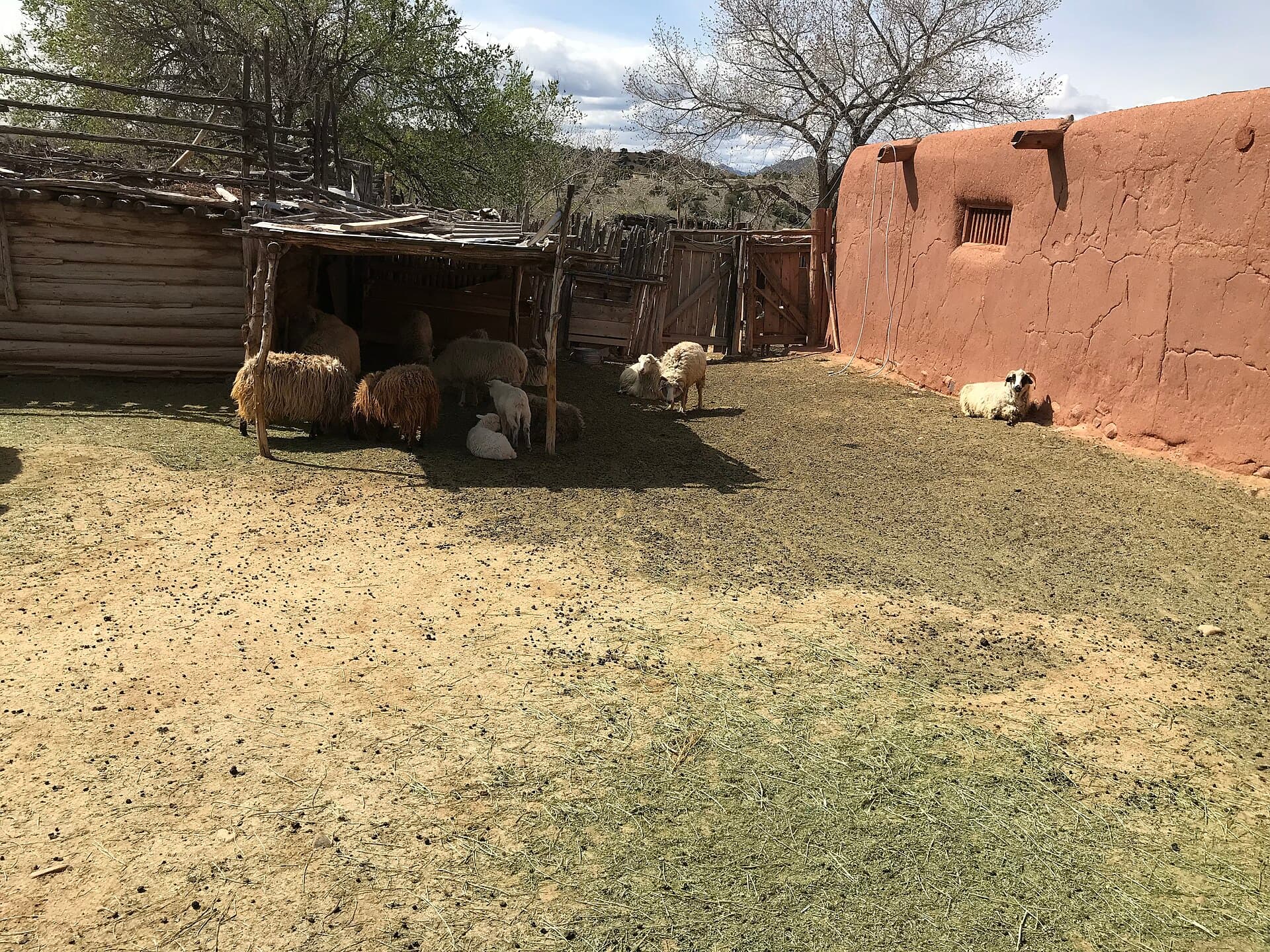
Descriptions of the property’s size vary in public material, with the 2024 guidebook referring to 200 acres south of Santa Fe and a tourism listing describing a 500-acre site. Even with those differences, the point remains the same: the ranch is large enough to present history as a working landscape rather than a single preserved building.
Why it matters beyond tourism branding
For Santa Fe County, El Rancho de las Golondrinas does more than draw visitors. It preserves the practical history of how people lived, worked, and moved through this part of New Mexico, which is the kind of history that often gets flattened when local heritage is treated only as scenery for tourism. The site shows how settlement depended on water management, how trade depended on skilled labor, and how daily life depended on production systems that tied households to regional and imperial networks.
That is what makes the ranch especially useful for families, teachers, history readers, and anyone trying to understand Santa Fe beyond the Plaza. It gives shape to the county’s Spanish Colonial inheritance in a way that is immediate and legible: a paraje, a trade corridor, a working landscape, and a museum that has been interpreting all of it since 1972.
In a county where the past is often marketed but not always explained, El Rancho de las Golondrinas keeps the hard evidence in view. The result is a public place where Santa Fe County’s connection to the Camino Real can be seen, walked, and measured against the everyday labor that made the region function.
This article was produced by Prism’s automated news system from verified source data, official records, and press releases, then run through automated quality and moderation checks before publishing. The system is built and supervised by the people who set the standards it runs under. Read our full AI policy.
Did this article answer your question?