Federal government denies New Mexico AG request for DEA records
Federal officials blocked Raúl Torrez’s bid for DEA fentanyl records, leaving New Mexico unable to verify how agents handled pill seizures.

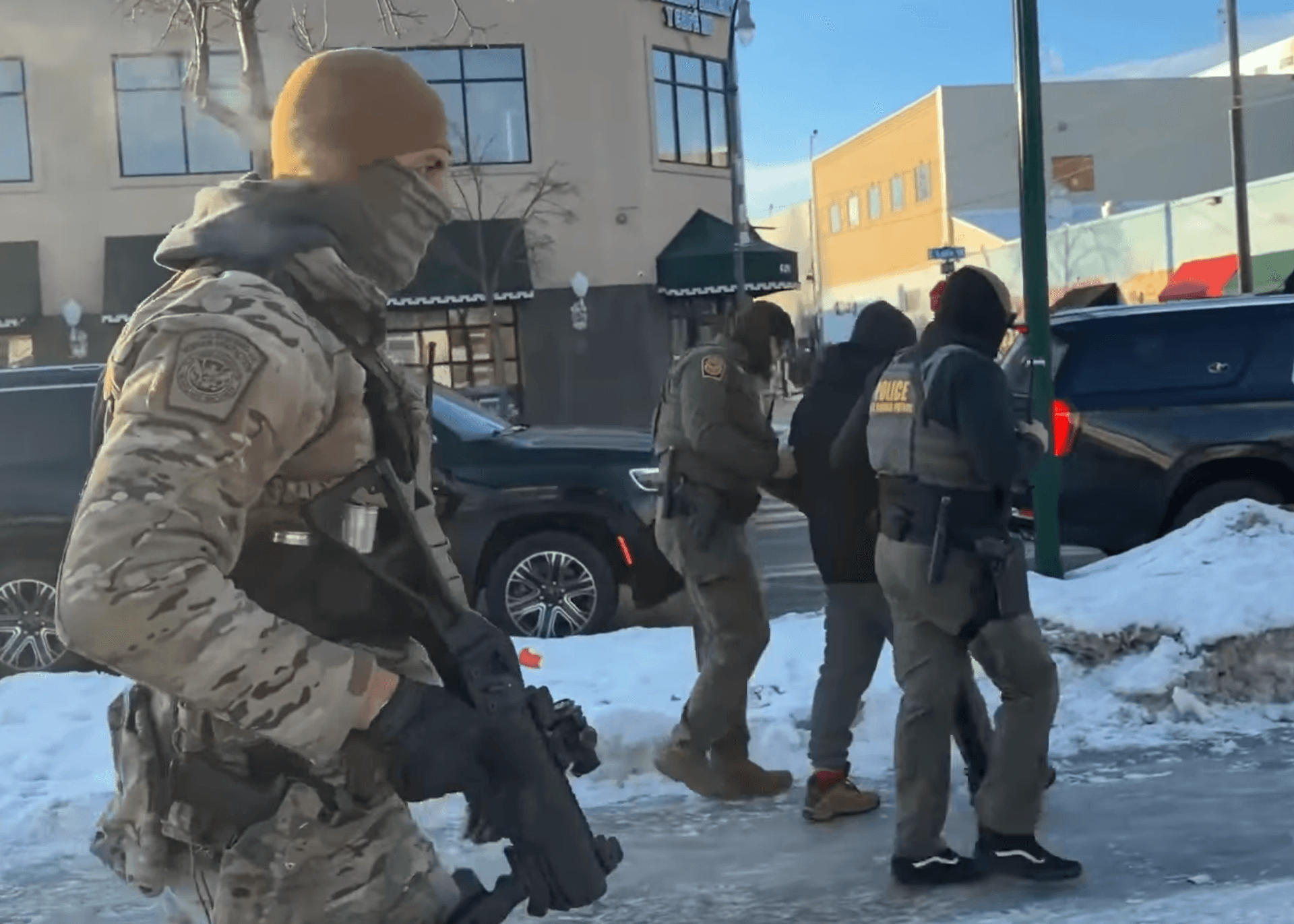
Federal officials denied New Mexico Attorney General Raúl Torrez’s request for DEA records tied to fentanyl investigations, setting off a fight over what Santa Fe and other New Mexico communities can verify about drug enforcement. The dispute centers on records that could show how the Drug Enforcement Administration handled fentanyl cases from 2022 through 2025, including policies, investigative reports, communications and other documents.
The New Mexico Department of Justice said Torrez launched the investigation on June 26, 2026, and sent a July 1 demand letter to Ryan Ellison, the first assistant U.S. attorney for the District of New Mexico. That letter framed the request as a Touhy demand under 28 C.F.R. §§ 16.21 through 16.29, seeking voluntary production of DEA records tied to fentanyl operations and decisions to forgo seizure of large quantities of fentanyl in New Mexico. NMDOJ said it formally responded to the U.S. Attorney’s Office denial on July 29, arguing the federal rejection relied on legal requirements that do not apply or were applied incorrectly.
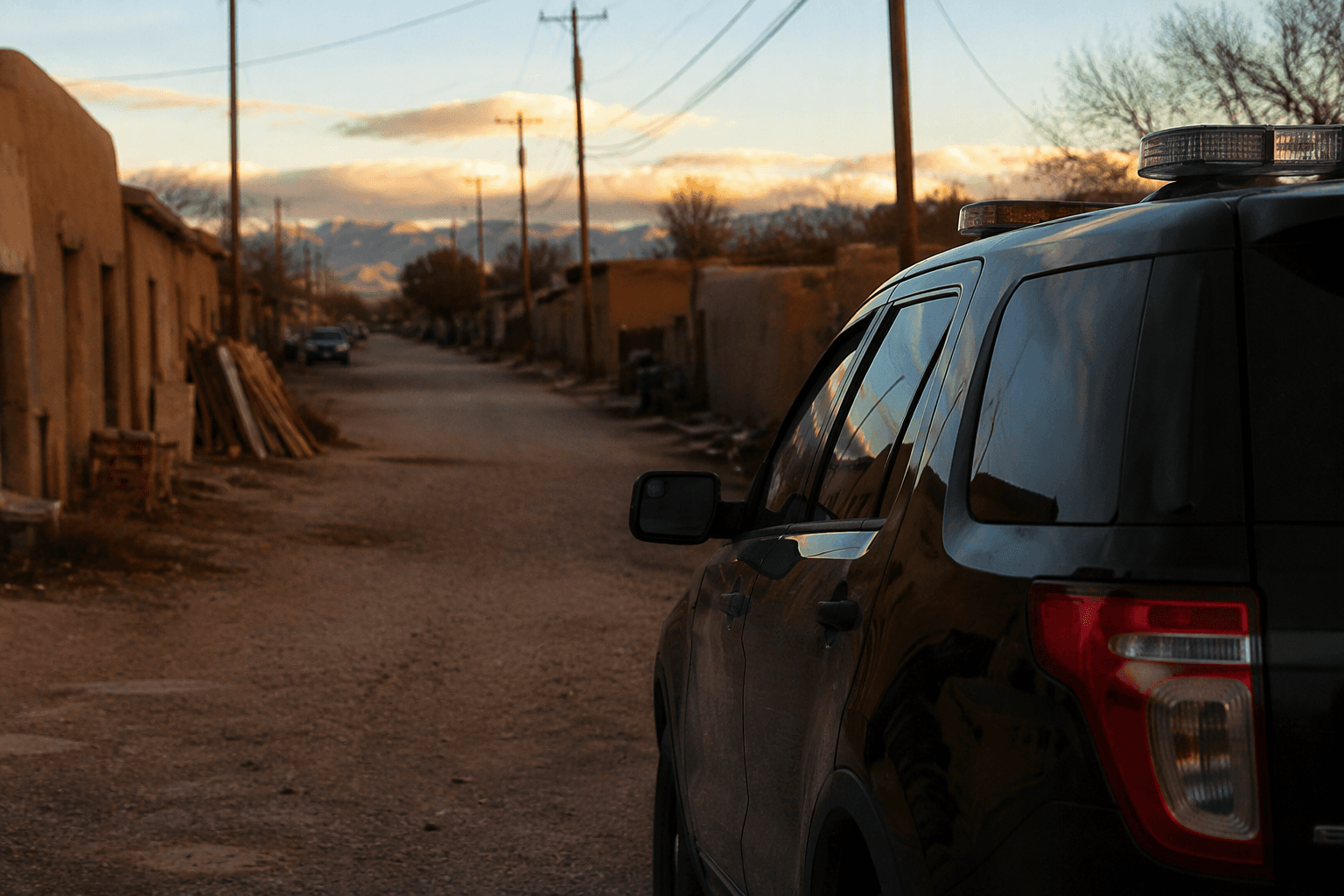
Torrez said the records fight is tied to a fentanyl case involving claims that the DEA allowed hundreds of thousands of pills to enter New Mexico on purpose. That allegation raises questions that matter far beyond federal paperwork: whether agents followed internal policy, how often seizures were declined, what state officials were told, and whether the public can verify how much fentanyl moved through the state while agencies debated enforcement choices.
For Santa Fe County, the issue lands close to home. The New Mexico Department of Justice is headquartered at 408 Galisteo Street in the Villagra Building in Santa Fe, and its work often shapes state criminal-justice policy that affects local courts, jails, hospitals and families dealing with overdose and trafficking cases. Without the DEA records Torrez sought, residents, defense attorneys and local officials cannot independently check what federal agents knew, when they knew it, or how they coordinated with New Mexico authorities as fentanyl cases unfolded.
The dispute has also spread beyond the attorney general’s office. New Mexico’s congressional delegation separately demanded answers after reports that the DEA declined to seize massive fentanyl shipments, showing how the fight over records has become part of a wider state-federal clash over drug enforcement in New Mexico. The broader question in Santa Fe is not just who gets the files, but what public oversight disappears when those files stay sealed.
This article was produced by Prism’s automated news system from verified source data, official records, and press releases, then run through automated quality and moderation checks before publishing. The system is built and supervised by the people who set the standards it runs under. Read our full AI policy.
Did this article answer your question?