New Mexico land grants strike deals with U.S. Forest Service
The Santa Fe National Forest signed its first-ever land-grant accord with Chama on March 27, part of a wider reset with communities tied to grazing and acequias.
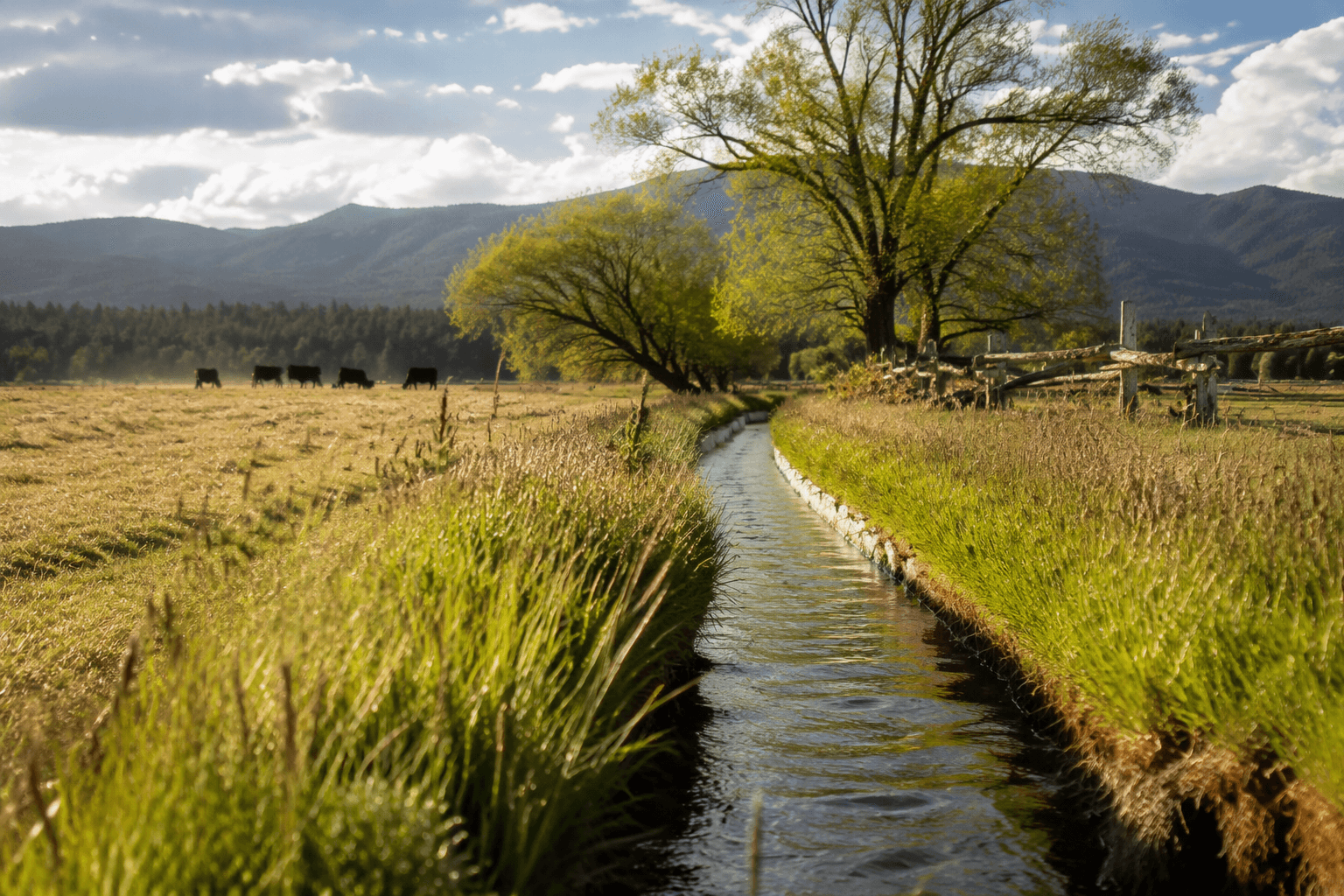
The Santa Fe National Forest signed its first-ever memorandum of understanding with the Chama Land Grant on March 27, putting a written framework around a dispute that has shadowed northern New Mexico for generations. The deal matters far beyond one forest boundary: it touches grazing, firewood gathering, watershed use and the cultural practices that still define land-grant life in Santa Fe County and across the northern counties that border the forest.
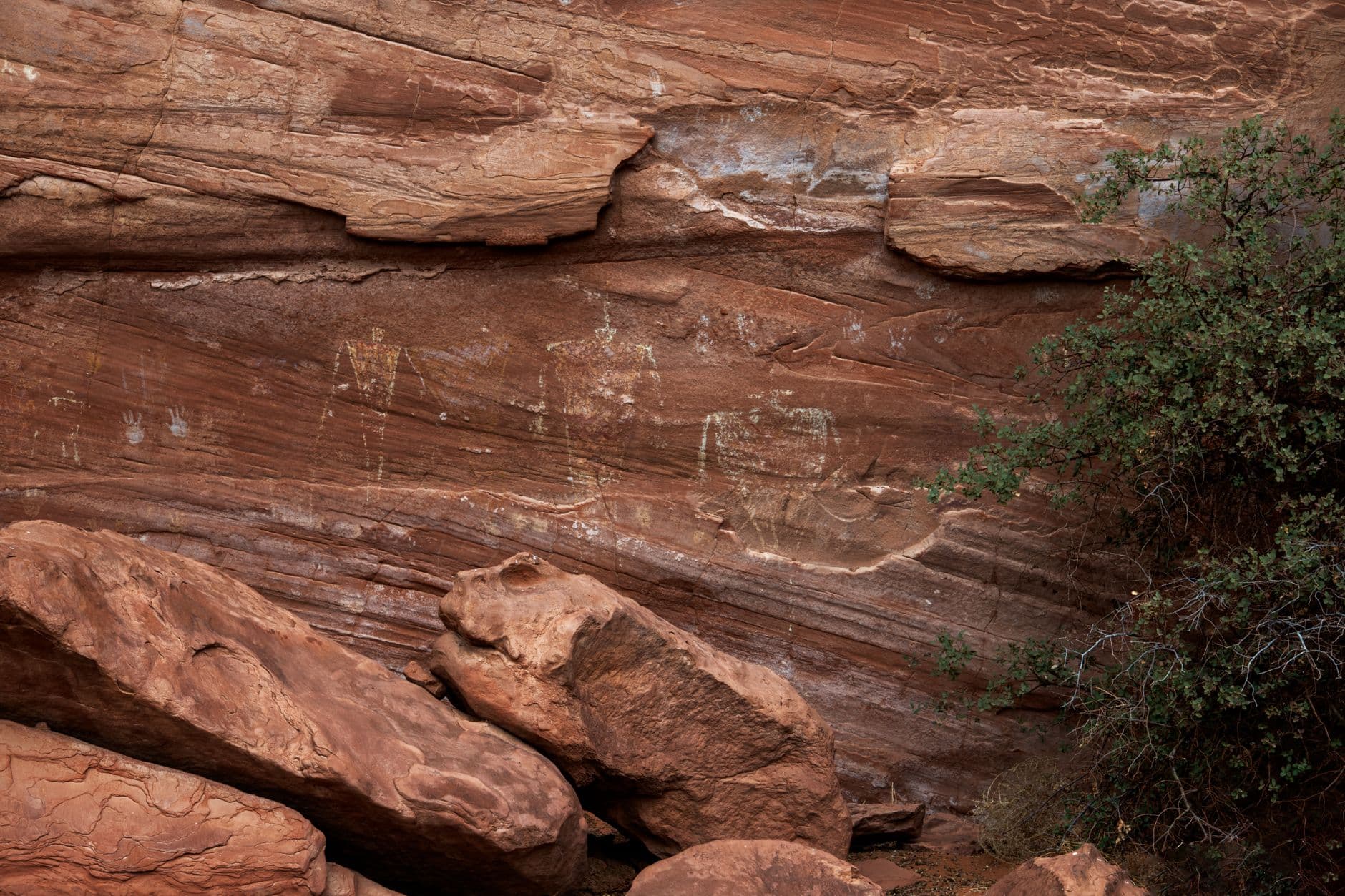
The agreements land in a state where land grants date to the Spanish and Mexican periods, from 1598 to 1846, and where common lands have remained central to community identity. In September 2001, the U.S. Government Accountability Office said about 52% of New Mexico land grants may be classified as community land grants, a share that helps explain why access to shared pastures, acequias and uplands still produces hard conflicts.
Those tensions sharpened after the 1848 Treaty of Guadalupe Hidalgo, when U.S. adjudication systems narrowed or rejected many community claims. A 2008 U.S. Forest Service research paper found that land-grant heirs on the Carson and Santa Fe national forests were also grazing permittees, showing how the same families often sit on both sides of federal land-use rules and local traditions.
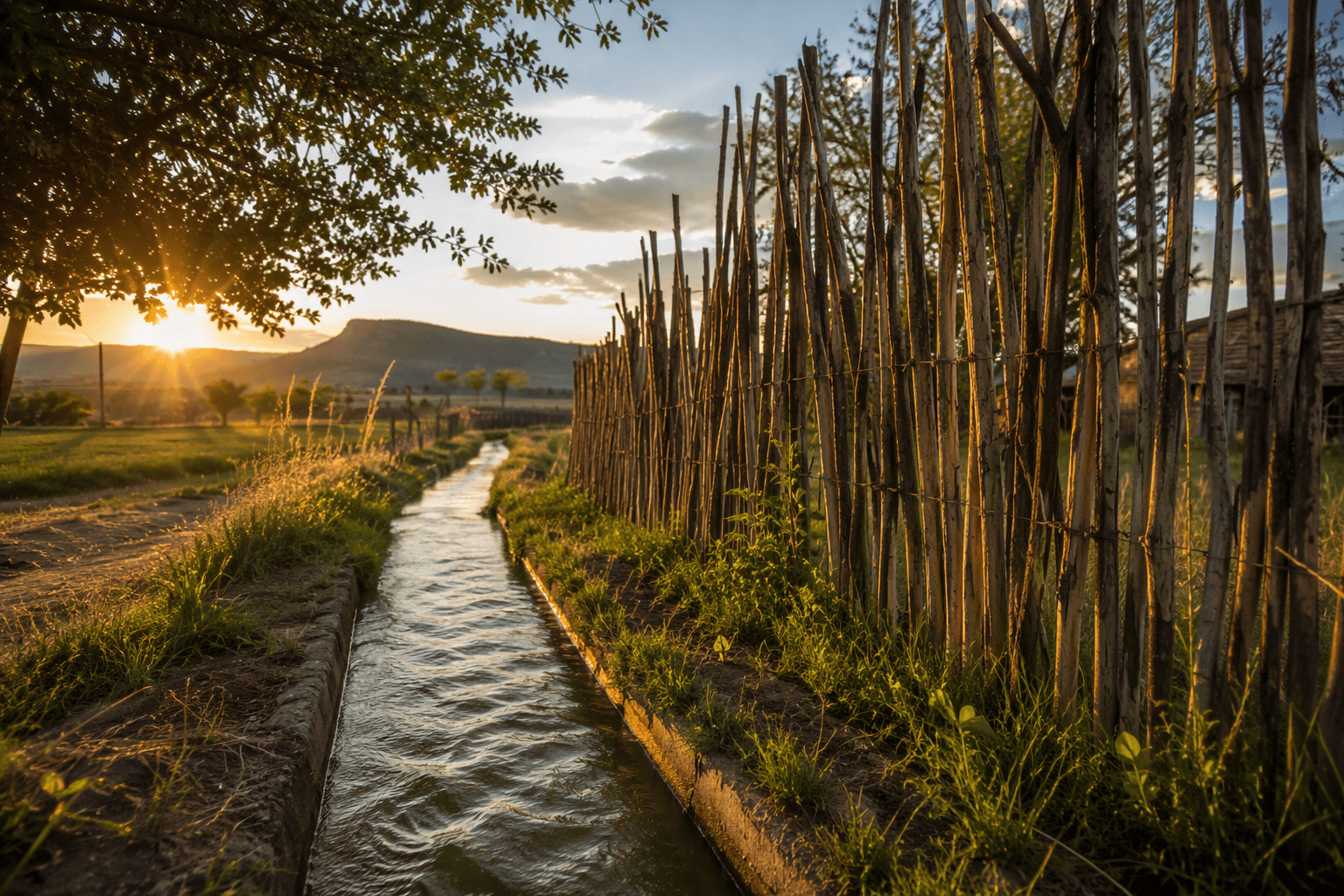
The new agreements suggest a different posture. The Forest Service said its deal with the Chama Land Grant would strengthen collaboration, communication and shared stewardship of the land. Another Forest Service memorandum of understanding paired the Santa Fe National Forest with a Spanish Land Grant, while a separate agreement with the San Joaquin Land Grant was aimed at reviving a 200-year-old acequia, a lifeline for irrigation and community life. The New Mexico Land Grant Council also has a memorandum of understanding with the USDA Forest Service Southwestern Region, signaling that the shift is not isolated.
For Santa Fe County residents, the stakes are immediate because the Santa Fe National Forest stretches across Rio Arriba, San Miguel, Sandoval, Santa Fe, Mora and Los Alamos counties. The forest’s land management plan was finalized in July 2022, after a Record of Decision published on Sept. 2, 2021, adding another layer of rules to a landscape where roads, trails, grazing allotments and watershed access can become flashpoints.
The practical test now is whether these memorandums translate into durable day-to-day access and a real channel for resolving disputes before they harden into lawsuits or standoffs. For land-grant families, the value of the deals will be measured on the ground, where cattle, woodcutting, irrigation and ceremony still depend on whether the old boundaries can finally be managed with less friction.
This article was produced by Prism’s automated news system from verified source data, official records, and press releases, then run through automated quality and moderation checks before publishing. The system is built and supervised by the people who set the standards it runs under. Read our full AI policy.
Did this article answer your question?