Rising opioid overdoses at Santa Fe County jail alarm officials
Rising opioid overdoses at Santa Fe County jail have pushed the Adult Correctional Facility into the center of the county’s fentanyl response.

Santa Fe County launched phase three of its fentanyl awareness campaign on May 3, 2024, as rising opioid overdoses inside the county jail put new pressure on the Adult Correctional Facility, the county’s jail and detention center. The campaign was timed to support National Fentanyl Awareness Day on May 7 and was intended to reduce the public health harms tied to fentanyl consumption.
The jail has become a critical point in Northern New Mexico’s overdose crisis because fentanyl does not stay outside the walls of custody. The problems now facing the Adult Correctional Facility turn on basic systems questions: how fentanyl is getting into the building, whether intake screening is catching people at risk, whether medical monitoring is frequent enough and whether emergency response inside the jail can move fast enough to stop an overdose from turning fatal.
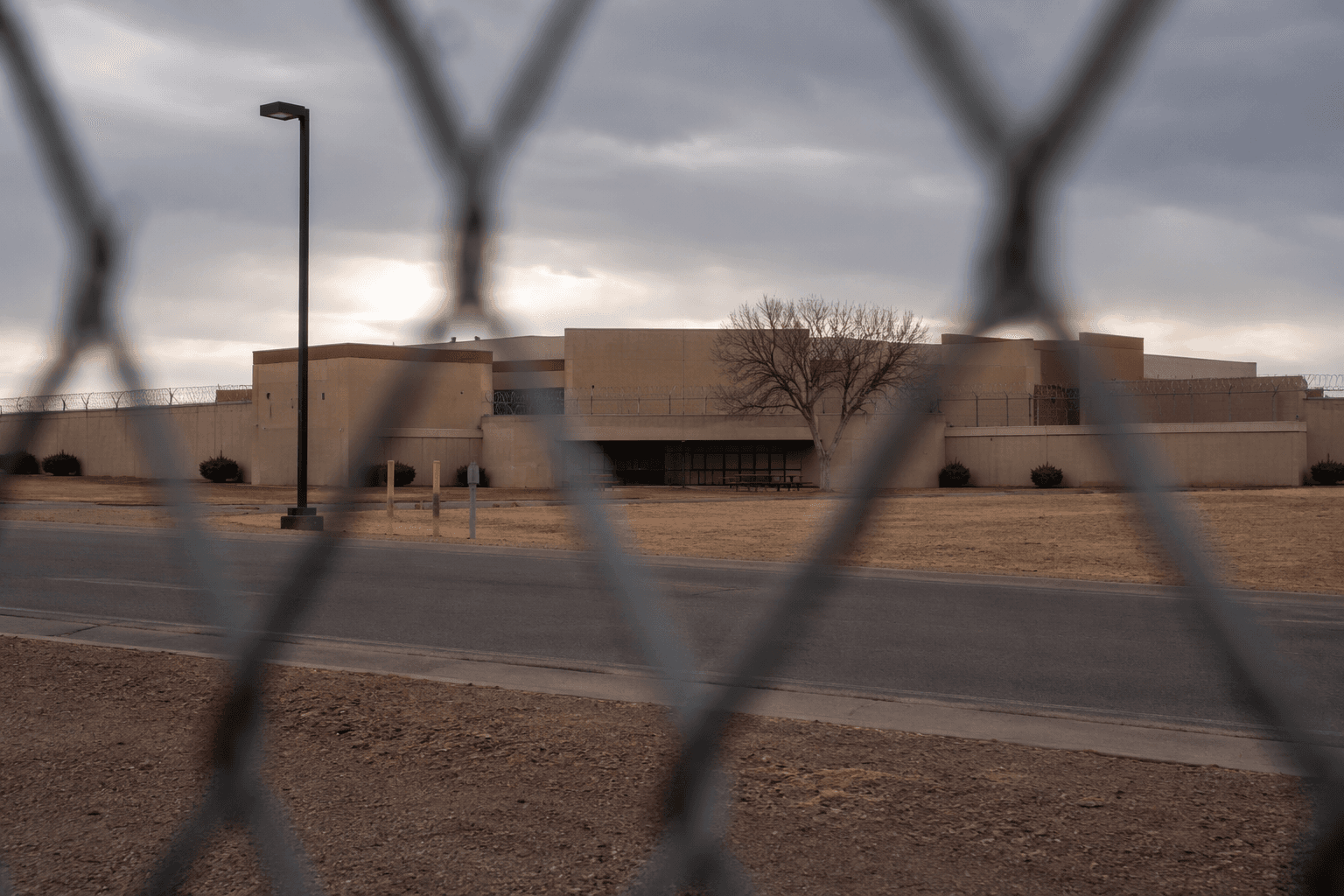
The scope of the crisis is plain in the broader numbers. New Mexico recorded 775 overdose deaths in 2024, the fifth-highest overdose death rate in the state since 1999 data became available, according to USAFacts. Santa Fe County has also been forced to confront the local toll of opioid use, after county leaders and public health officials spent years trying to keep overdoses from climbing further.
State health guidance has already pointed to one of the clearest answers for correctional settings. A New Mexico Department of Health subcommittee draft recommendation dated Nov. 18, 2022, urged the state to ensure access to evidence-based medications for opioid use disorder in correctional facilities. The draft said medications for opioid use disorder, or MOUD, are recognized as the most effective treatment for opioid use disorder and can significantly reduce fatal overdose risk after incarceration.
Santa Fe County has been working on pieces of that response for years. In 2016, the county announced funding to reduce drug overdose through a partnership with Santa Fe Public Schools and the Santa Fe Prevention Alliance to distribute Narcan to first responders, schools and community laypeople. County materials also show a broader fentanyl public-awareness effort in 2023 and 2024, a sign that officials have been trying to respond on both the street and inside institutions.
The Vera Institute of Justice has framed New Mexico’s overdose problem as one shaped by the interaction between overdose deaths and jail incarceration, with harm reduction and treatment availability in custody settings at the center. For Santa Fe County, the challenge now is whether the jail can keep fentanyl out, detect it sooner when it gets in and connect people to treatment before another overdose becomes preventable loss.
This article was produced by Prism’s automated news system from verified source data, official records, and press releases, then run through automated quality and moderation checks before publishing. The system is built and supervised by the people who set the standards it runs under. Read our full AI policy.
Did this article answer your question?