Santa Fe Community College brings decade-long microgrid online
After more than a decade of planning, SFCC brought a campus microgrid online, adding a resilience system that can keep key operations going when the grid is under strain.
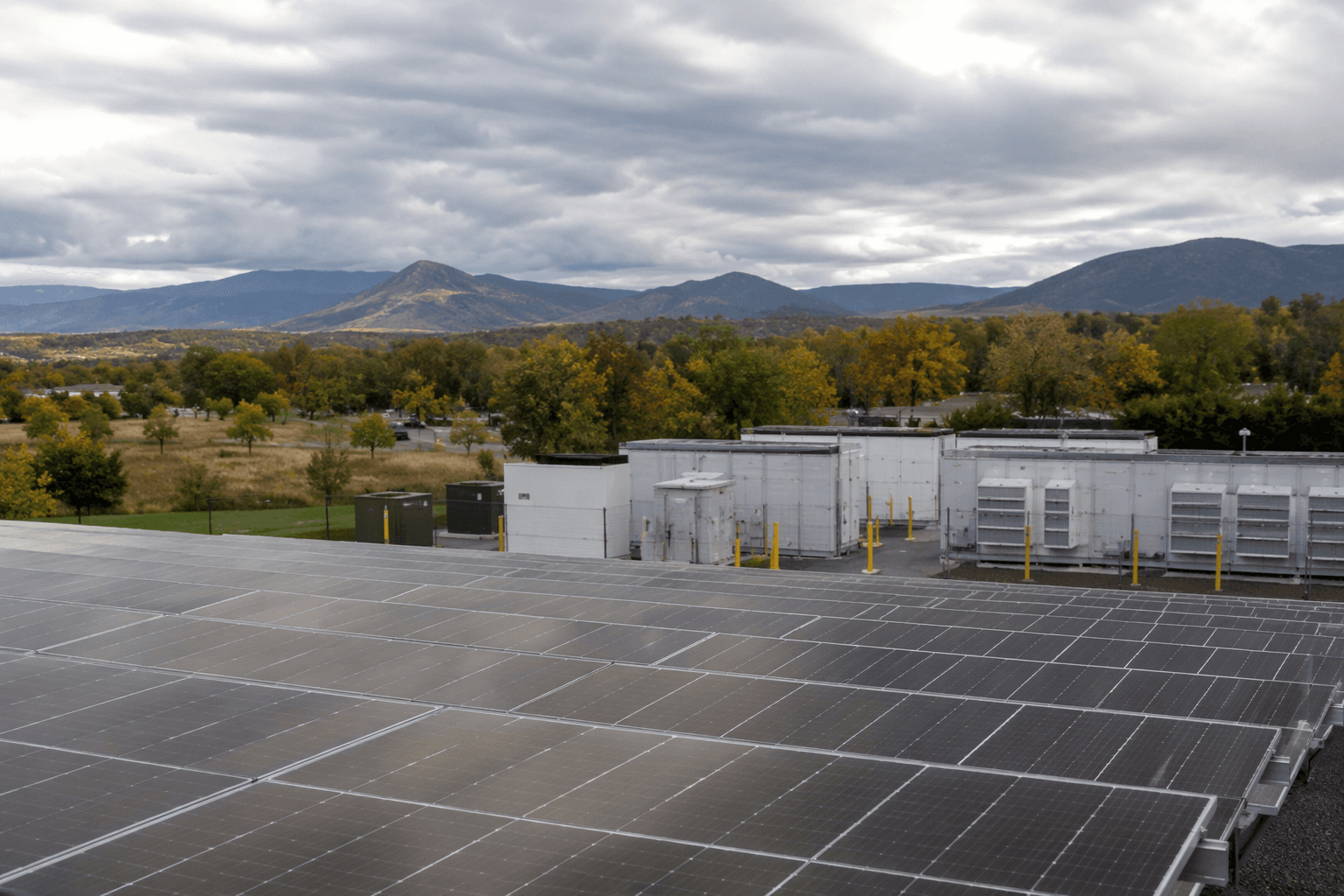
Santa Fe Community College has brought its campus microgrid online after more than a decade of planning and partnership, turning a long-running energy project into live infrastructure on the Santa Fe campus. The system gives the college a way to manage electricity more efficiently and keep operating when the wider grid is interrupted or under heavy stress.
The build-out tied together several named partners and funding steps. SFCC announced a partnership with the Microgrid Systems Laboratory and later received $351,000 from the U.S. Economic Development Administration for a Building Energy Automation and Microgrid Training Center. The college also closed campus Oct. 11-13 for microgrid testing with PNM and Siemens, a sign that the project moved through staged validation before it went live. Burns Engineering identified itself as the engineer for the campus microgrid project.
The first people likely to feel the payoff are the ones who use the campus every day: students, instructors and the facilities staff that keeps classrooms, labs and public buildings running. The Association for the Advancement of Sustainability in Higher Education described the effort as a Nanogrid to Campus Microgrid project and said it includes a research and teaching nanogrid that incorporates traditional and renewable energy resources. That makes SFCC more than an energy customer. It becomes a demonstration site where workforce programs can train on the same kind of systems that are changing how campuses and public buildings are powered.
The microgrid also fits into a broader campus energy strategy. SFCC’s sustainability materials point to a solar array as part of that work, suggesting the college is building a system that combines generation, storage and smarter controls rather than relying on one technology alone. That approach matters in Santa Fe County, where institutions have to plan for outages, summer demand spikes and tighter pressure on the regional grid.
The project lines up with state clean-energy policy as well. New Mexico’s Energy Conservation and Management pathway for businesses, campuses and facilities explicitly includes rooftop and parking-canopy solar, battery storage and microgrids. For SFCC, the result is a decade-long build that now has a practical test: whether a community college can run more resiliently, teach more directly and manage energy more intelligently at the same time.
This article was produced by Prism’s automated news system from verified source data, official records, and press releases, then run through automated quality and moderation checks before publishing. The system is built and supervised by the people who set the standards it runs under. Read our full AI policy.
Did this article answer your question?