Santa Fe County deputy shooting raises questions about aftermath, accountability
Santa Fe County’s own policy says body cameras should gather evidence and deter crime, but a deputy shooting has put the office’s accountability rules under a brighter light.
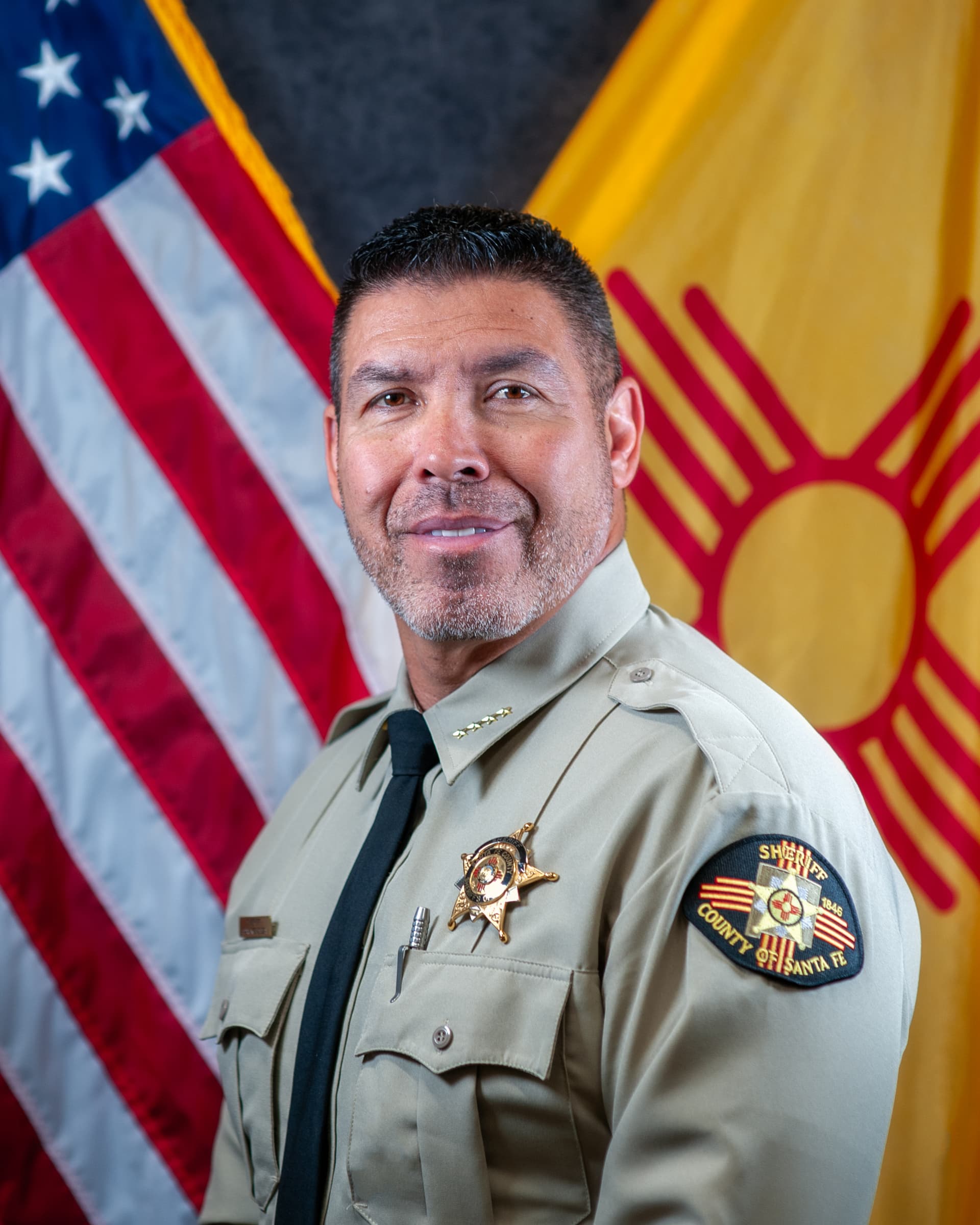
Santa Fe County Sheriff Adan Mendoza is listed by the county as serving his second term from 2023 to 2026, and the office he runs from the Public Safety Complex at 35 Camino Justicia in Santa Fe is being measured against its own rules after a deputy shooting. The case has pushed attention beyond the immediate gunfire and toward what happens next: who reviews the incident, what the public is told, and how closely the sheriff’s office follows the policies it has put on the books.
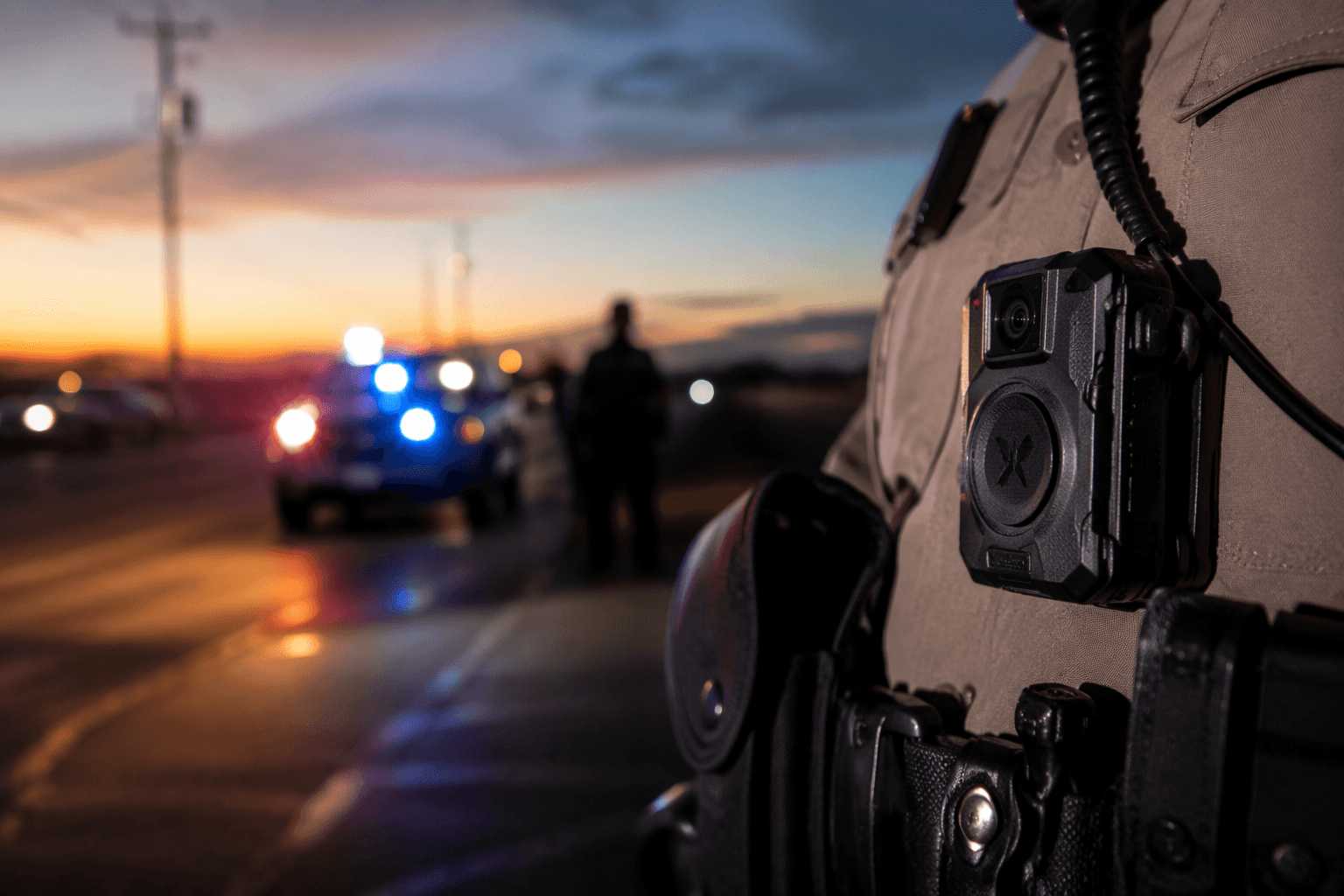
The sheriff’s office amended body-worn camera policy says the cameras are used to collect evidence for criminal investigations and prosecutions and to deter criminal activity. Its use-of-force policy says deputies will be held accountable when force does not conform to policy or training conducted by the office. The agency also adopted an ABLE policy on Sept. 9, 2021, placing it in the national Active Bystandership for Law Enforcement project, which is built around officers intervening when necessary.
Those rules matter because the questions that follow a deputy shooting are specific, not abstract. Residents want to know whether body camera footage exists, how quickly the scene was secured, whether medical assistance was provided and whether supervisors followed the chain of command. In New Mexico, those expectations have only grown as police-shooting cases have become more visible, including the 2023 Farmington case in which body camera footage was released after a fatal shooting that involved officers going to the wrong address.
Santa Fe County has already seen how quickly those cases can turn into broader scrutiny. On June 24, 2021, KRQE reported a deadly shooting involving the Santa Fe County Sheriff’s Office after deputies spotted a stolen Ford Ranger, tried to stop it and later pursued it again. New Mexico State Police also issued an update on Sept. 30, 2021 in another police-shooting case involving the sheriff’s office. Together, those episodes show that when deputies use force, the aftermath can become as politically and publicly sensitive as the shooting itself.
For Santa Fe County, the issue now is whether the agency’s written promises about cameras, accountability and intervention are matched by a transparent review when a deputy is shot. The office at 35 Camino Justicia has already defined the standards; the real test is how those standards are applied when the public wants answers.
This article was produced by Prism’s automated news system from verified source data, official records, and press releases, then run through automated quality and moderation checks before publishing. The system is built and supervised by the people who set the standards it runs under. Read our full AI policy.
Did this article answer your question?