Santa Fe County rolls out mobile voting unit to expand access
Santa Fe County’s new mobile voting precinct is meant to reach rural, elderly and transit-limited voters. It adds a moving ballot site to the clerk’s access toolkit.
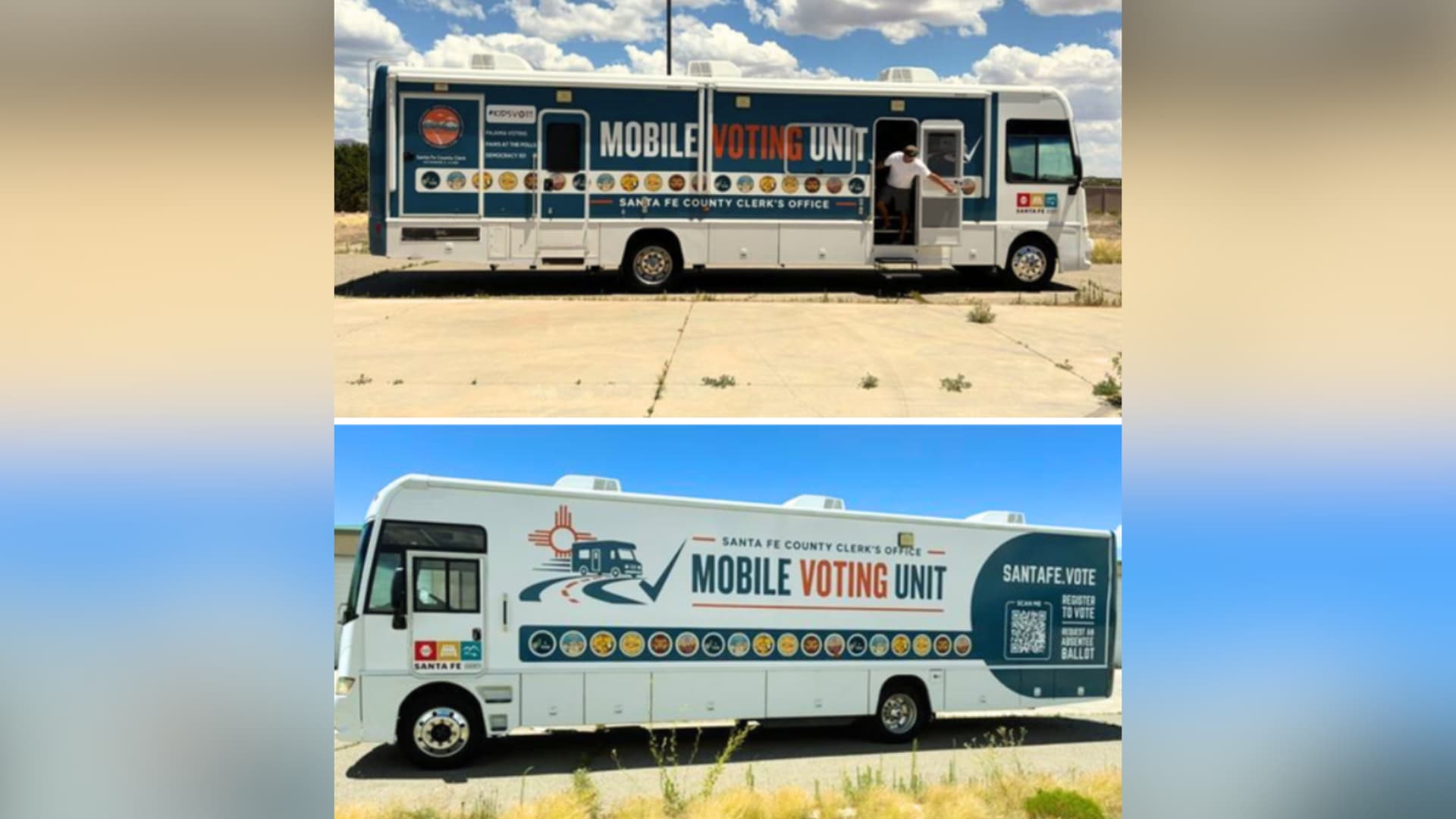
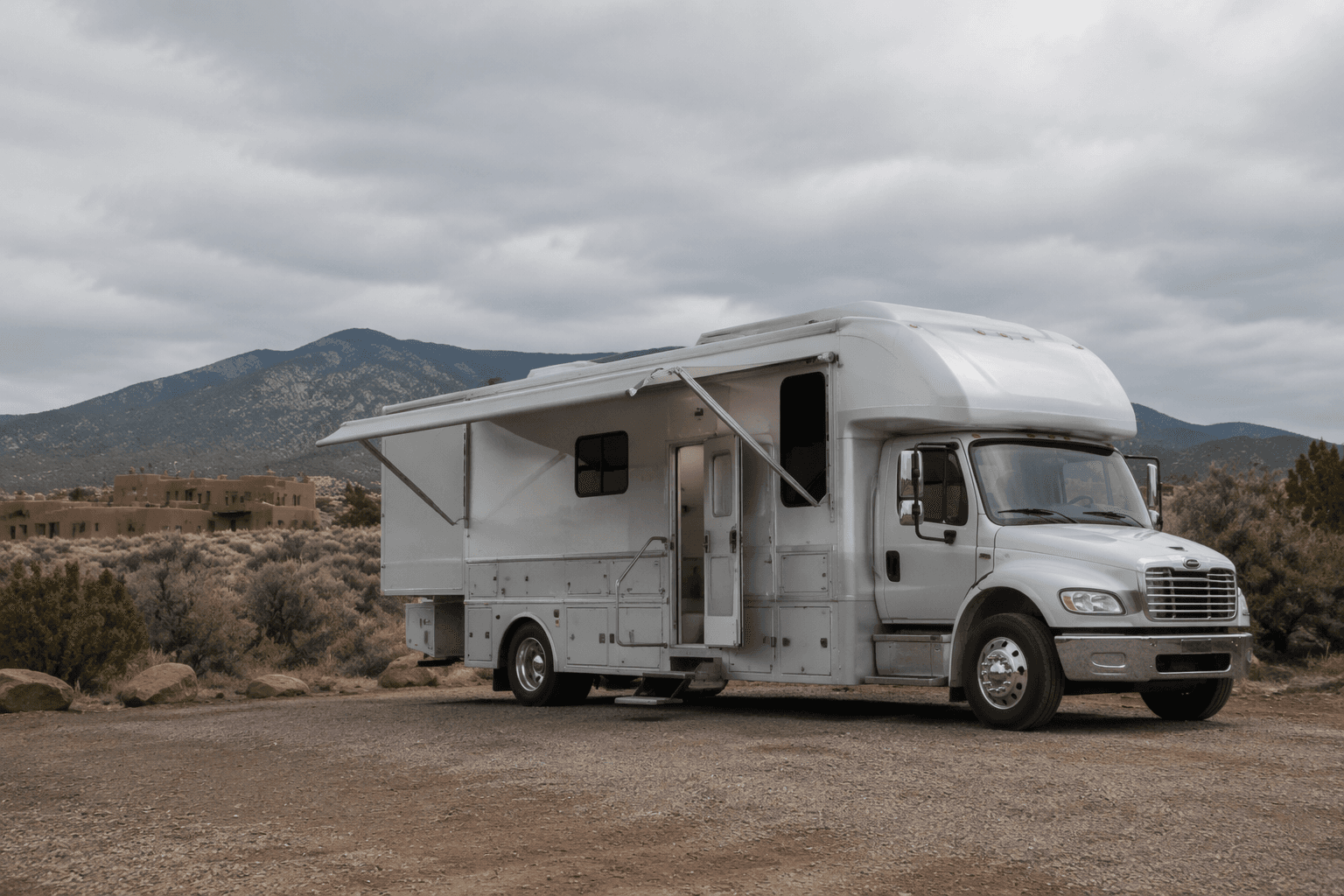
Santa Fe County’s clerk’s office has taken possession of a new mobile voting precinct and is rolling it out as a way to bring a place to cast a ballot closer to voters who struggle to reach a fixed polling site. The unit is aimed at people in rural parts of the county, residents without reliable transportation, voters working irregular hours, people with disabilities and caregivers who cannot easily leave home for long stretches.
The mobile unit is meant to move around Santa Fe County and appear where people already are, including rural neighborhoods, senior housing and community events. That makes it less a symbolic purchase than an operational tool. For voters who have skipped elections because the nearest site was too far away or too inconvenient, the mobile precinct could remove the longest part of the trip before a ballot is ever marked.
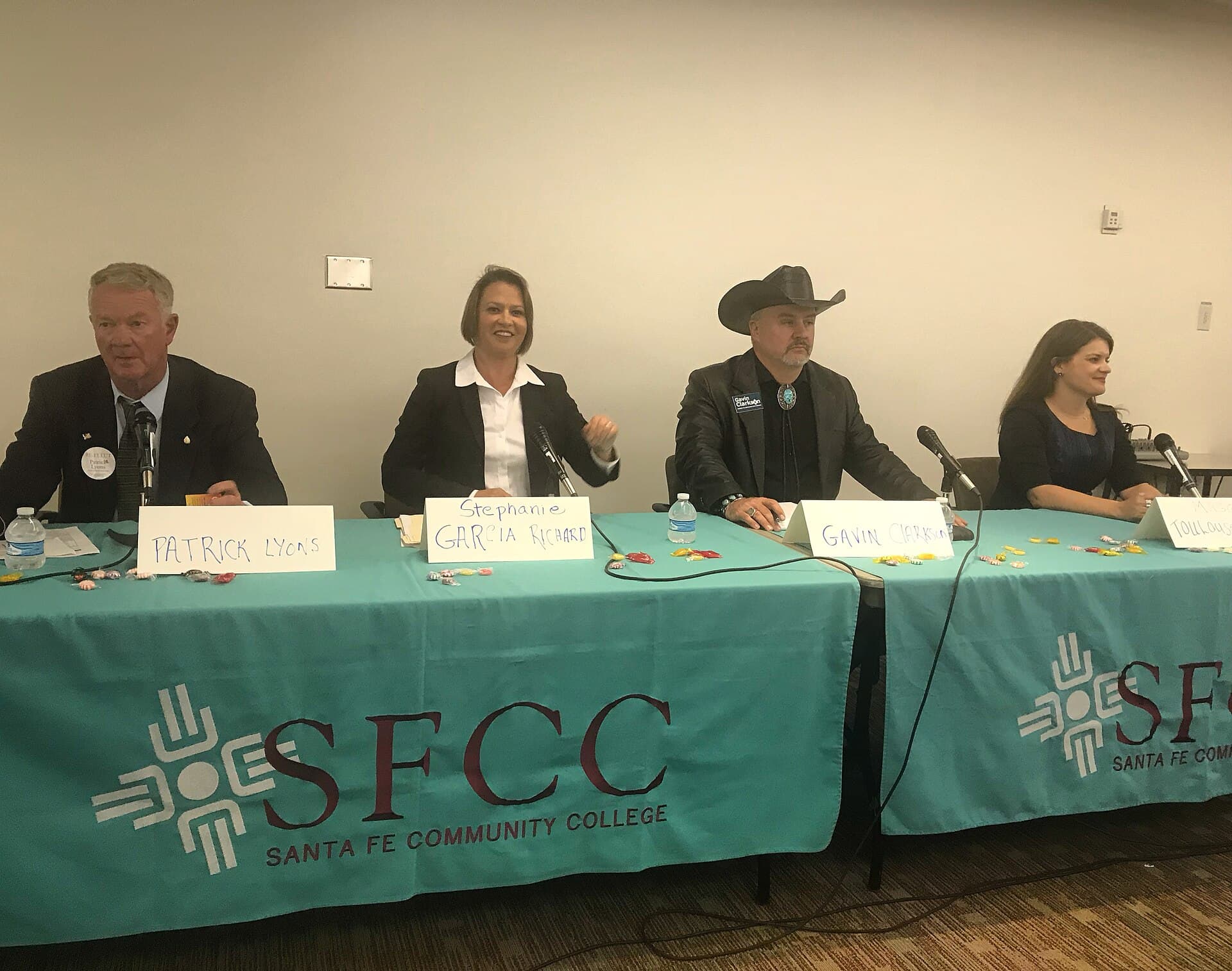
Katharine E. Clark, who has served as Santa Fe County Clerk since 2021 and was re-elected in 2024, is serving a 2025-2028 term. Her office at 240 Grant Ave. in Santa Fe has already built out a voting-access menu that includes accessible voting, absentee voting, secure drop boxes and Vote by Appointment, which lets voters schedule a specific time and location during early voting. The county says every eligible voter has the right to cast a ballot safely, privately and independently.
The new unit fits into that broader approach. Santa Fe County expanded early voting across the county on May 16, 2026, showing the clerk’s office was already trying to spread out voting opportunities beyond a single central site. The mobile precinct pushes that logic further by moving the polling place itself, rather than asking voters to adapt their schedules and travel plans to a permanent location.
The county clerk’s office has also been recognized nationally for election-access work, including in the U.S. Election Assistance Commission’s 2025 CLEARIE award winners materials. That recognition matters in a state where election administration often faces close scrutiny, because the real test is not the hardware itself but whether it shortens lines, eases congestion and gives more residents a workable path to vote.
In practical terms, the mobile voting precinct expands access first and foremost by changing geography. It may not create a new electorate, but it can make voting easier for people on the margins of participation, especially in a county that includes Santa Fe’s urban core, suburban neighborhoods and more remote communities stretched across a wide landscape.
This article was produced by Prism’s automated news system from verified source data, official records, and press releases, then run through automated quality and moderation checks before publishing. The system is built and supervised by the people who set the standards it runs under. Read our full AI policy.
Did this article answer your question?