911 calls reveal deadly double shooting in Sanford’s historic Goldsboro neighborhood
911 calls captured the first chaos after gunfire in Goldsboro, where Deion Fields died and another victim was left in serious condition. Police later said they found a person of interest with a firearm.

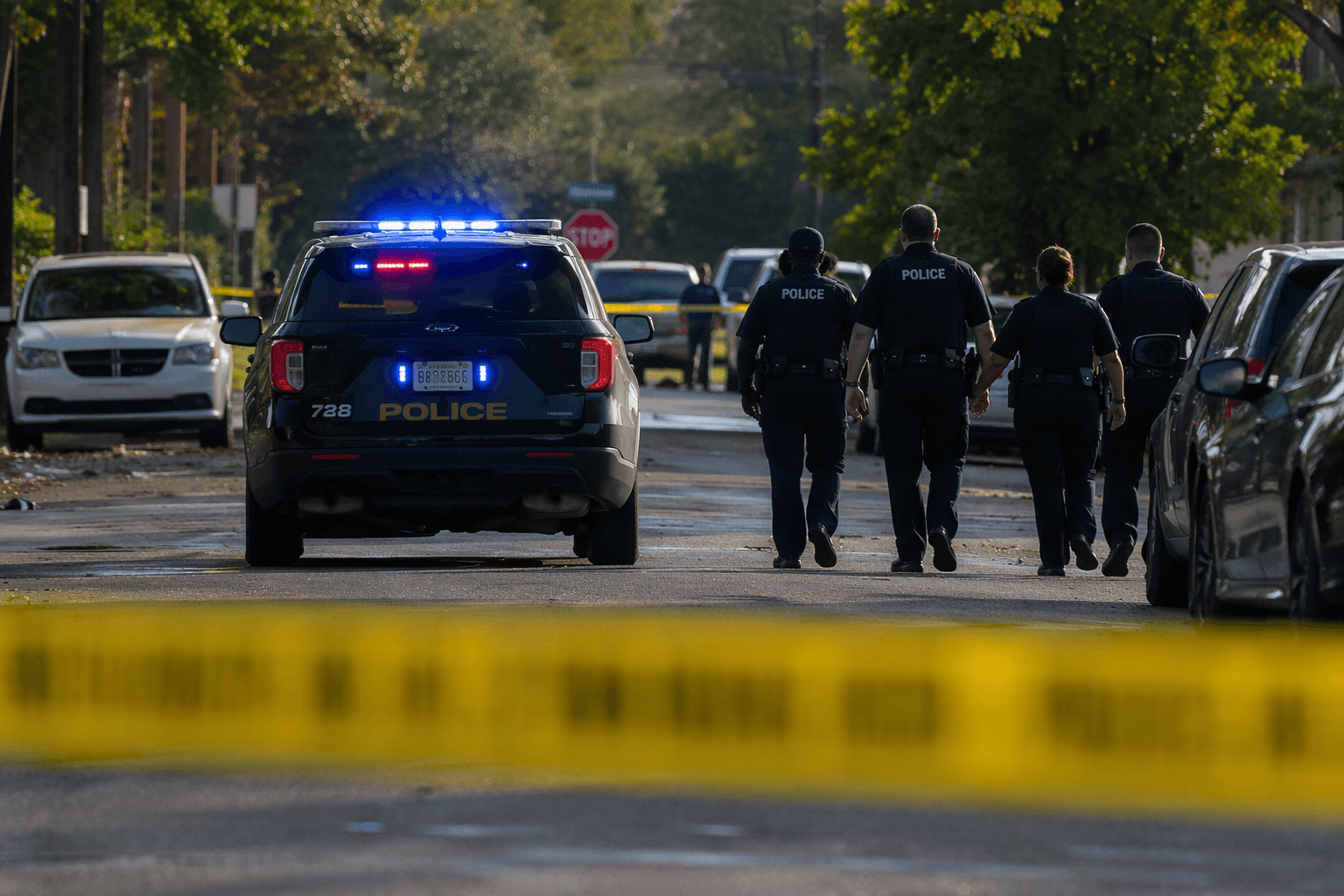
Witness 911 calls captured the first moments after gunfire tore through Sanford’s historic Goldsboro neighborhood, giving investigators and residents a raw timeline of a deadly double shooting that unfolded near Historic Goldsboro Boulevard and Mangoustine Avenue. Sanford police said the first call came in at about 3:20 a.m. on June 7, and a second call reported another shooting near Historic Goldsboro Boulevard and Pomegranate Avenue while officers were already responding.
The shooting killed 32-year-old Deion Fields, who died from gunshot wounds, and sent another victim to a local hospital in serious condition. Those calls became the first public window into what neighbors heard, how quickly they reached for 911, and how officers began piecing together the scene in real time across two nearby streets in the heart of Goldsboro.
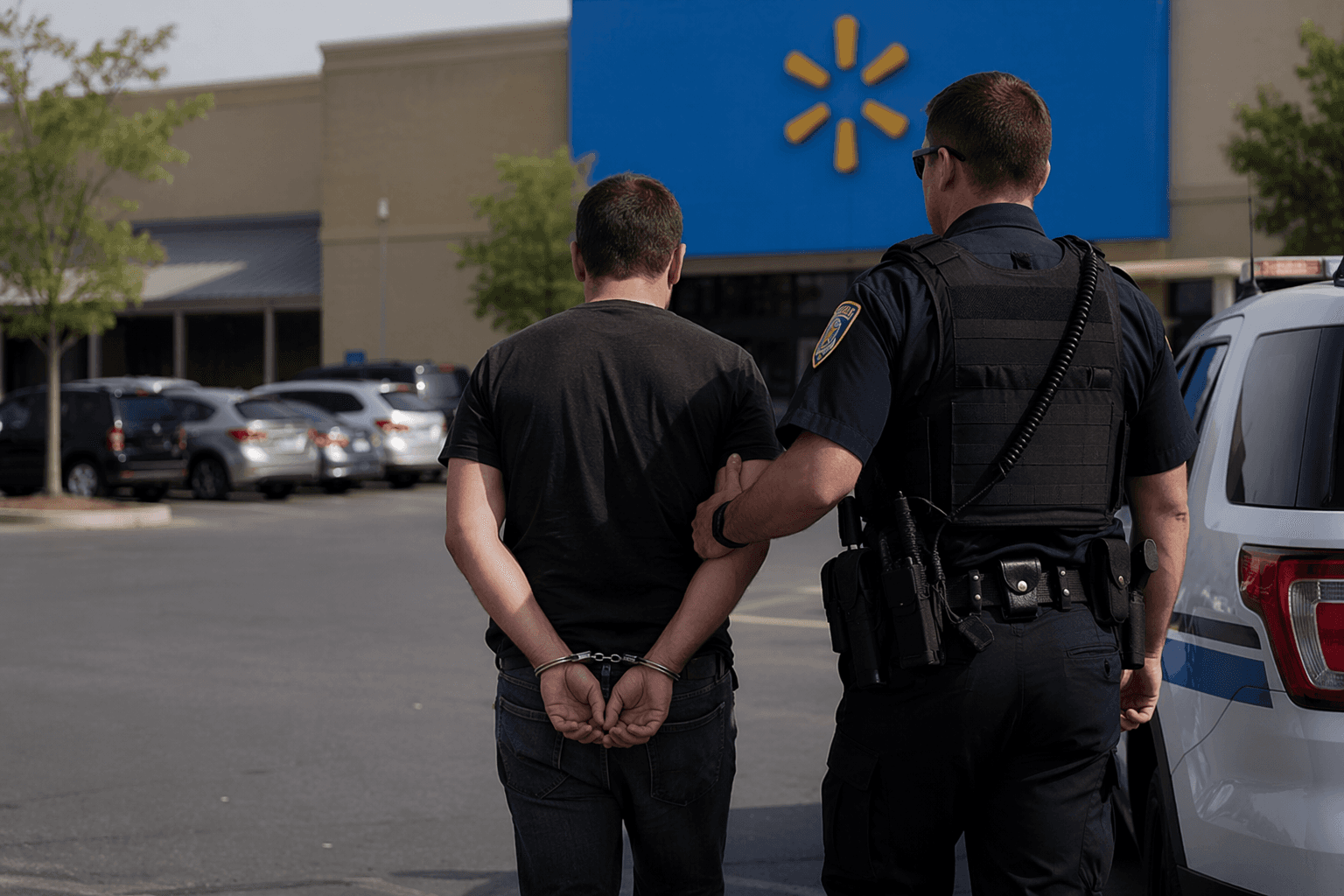
Police later said investigators located a person of interest with a firearm in the area. On June 12, Sanford police announced the arrest of 34-year-old Undray Allen in connection with Fields’ death, and he was booked on a second-degree murder charge. Detectives also asked witnesses to come forward and said tips could be submitted anonymously through Crime Line.
The setting carries unusual weight in Sanford. Goldsboro was incorporated on December 1, 1891, by merchant William Clark and 19 Black registered voters, according to the Florida Division of Historical Resources. The Goldsboro Museum says it was the second Black incorporated city in the United States. Annexed into Sanford in 1911, Goldsboro remains an historic African-American community with a distinct identity that still shapes how violence there is felt across Seminole County.
That history is part of why the 911 recordings matter beyond the criminal case itself. They show residents doing what emergency systems ask of them, reporting danger in the middle of the night and helping form the initial record officers use to reconstruct a shooting. They also leave in place the broader public-safety questions that follow any homicide in a neighborhood with deep civic history, where each violent episode tests whether the city’s response is fast enough, visible enough and trusted enough to calm a community that has already seen too much.
This article was produced by Prism’s automated news system from verified source data, official records, and press releases, then run through automated quality and moderation checks before publishing. The system is built and supervised by the people who set the standards it runs under. Read our full AI policy.
Know something we missed? Have a correction or additional information?
Submit a Tip