Altamonte Springs wastewater project turns sewage into clean energy, cuts PFAS
Altamonte Springs tested a sewage-to-energy process that could cut PFAS and lower sludge disposal costs for local utility customers.
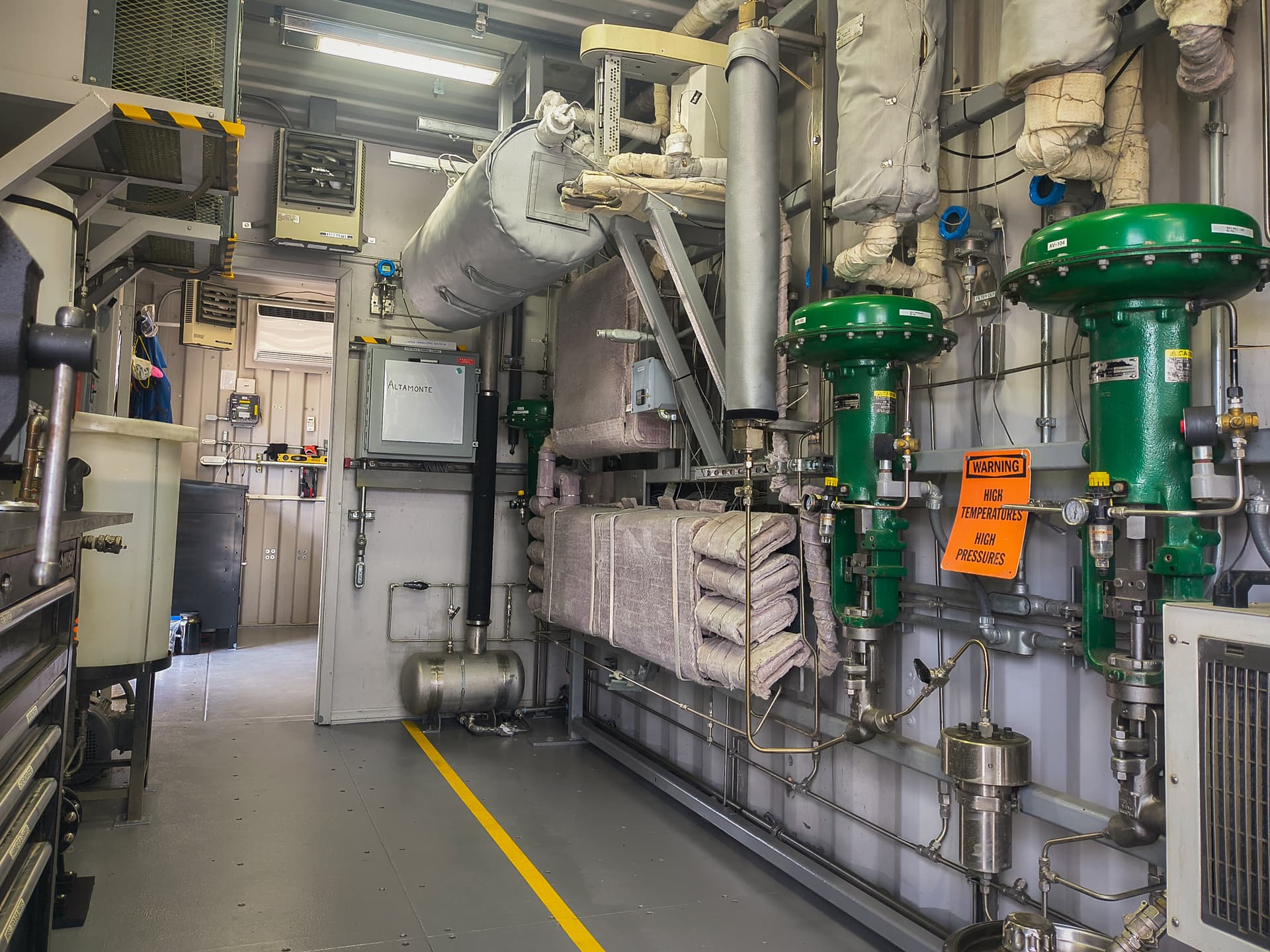
Altamonte Springs is betting a new wastewater process can do two things at once: reduce PFAS and turn sewage byproducts into usable energy that could ease long-term utility costs. City leaders unveiled the technology on June 8, framing it as a practical step for Seminole County households that pay for wastewater treatment, sludge handling and future infrastructure.
The system uses hydrothermal liquefaction, or HTL, a process that converts biosolids, treated sewage sludge, into biocrude oil and renewable natural gas. Genifuel Corporation, one of the partners in the city’s state-funded demonstration project, says the combined HTL and catalytic hydrothermal gasification process can convert more than 85% of feedstock carbon into renewable fuels and is designed to reduce solids-management costs for wastewater utilities. FOX 35 Orlando said the project was showing promising results and that it was reducing harmful PFAS levels while producing renewable energy.

For Altamonte Springs, the project fits a longer pattern. The city has spent years pitching pureALTA as a way to confront population growth, shrinking groundwater supplies and drought. Its own materials say the reuse system treats reclaimed water to meet or exceed drinking-water standards without expensive reverse osmosis, and the city says pureALTA won the 2017 WateReuse Innovative Project of the Year award. In 2018, it was recognized by the International Water Association and selected from 160 entries from 45 countries.
That matters in a county where water policy is increasingly tied to growth, cost and public confidence. Altamonte Springs also says reclaimed water, which is highly treated wastewater used for irrigation and other purposes, helps extend supplies. The city’s water-quality materials say it tested for PFAS in drinking water from 2023 through 2025 under EPA UCMR 5 requirements, and a recent water-quality posting said local drinking water showed no detection of 1,4-dioxane or forever chemicals.
Jim Oyler, president and co-founder of Genifuel, has described hydrothermal processing as a way to recover fuel value from wastewater solids rather than simply paying to dispose of them. That is the central promise Altamonte Springs is now testing: whether a city long known for pushing unconventional water strategies can turn a costly waste stream into energy, while delivering measurable PFAS reductions that hold up in real-world operations.
This article was produced by Prism’s automated news system from verified source data, official records, and press releases, then run through automated quality and moderation checks before publishing. The system is built and supervised by the people who set the standards it runs under. Read our full AI policy.
Know something we missed? Have a correction or additional information?
Submit a Tip