Altamonte Springs weighs control of fuel tax amid 417 connector funding push
Altamonte Springs weighed whether its gas-tax money should stay local or help fund a $200 million SR 417 connector to the Sanford airport.

Altamonte Springs faced a straight taxpayer-money choice Tuesday: keep control of its local fuel-tax revenue, or help Seminole County build a planned State Road 417 connector to Orlando Sanford International Airport.
City leaders were set to vote on an agreement that would clarify Altamonte Springs has not assigned or pledged its fuel-tax money to the county and still controls how that revenue is spent. If approved, the deal would preserve the city’s authority over the money stream while making clear it is not tied to the connector project.
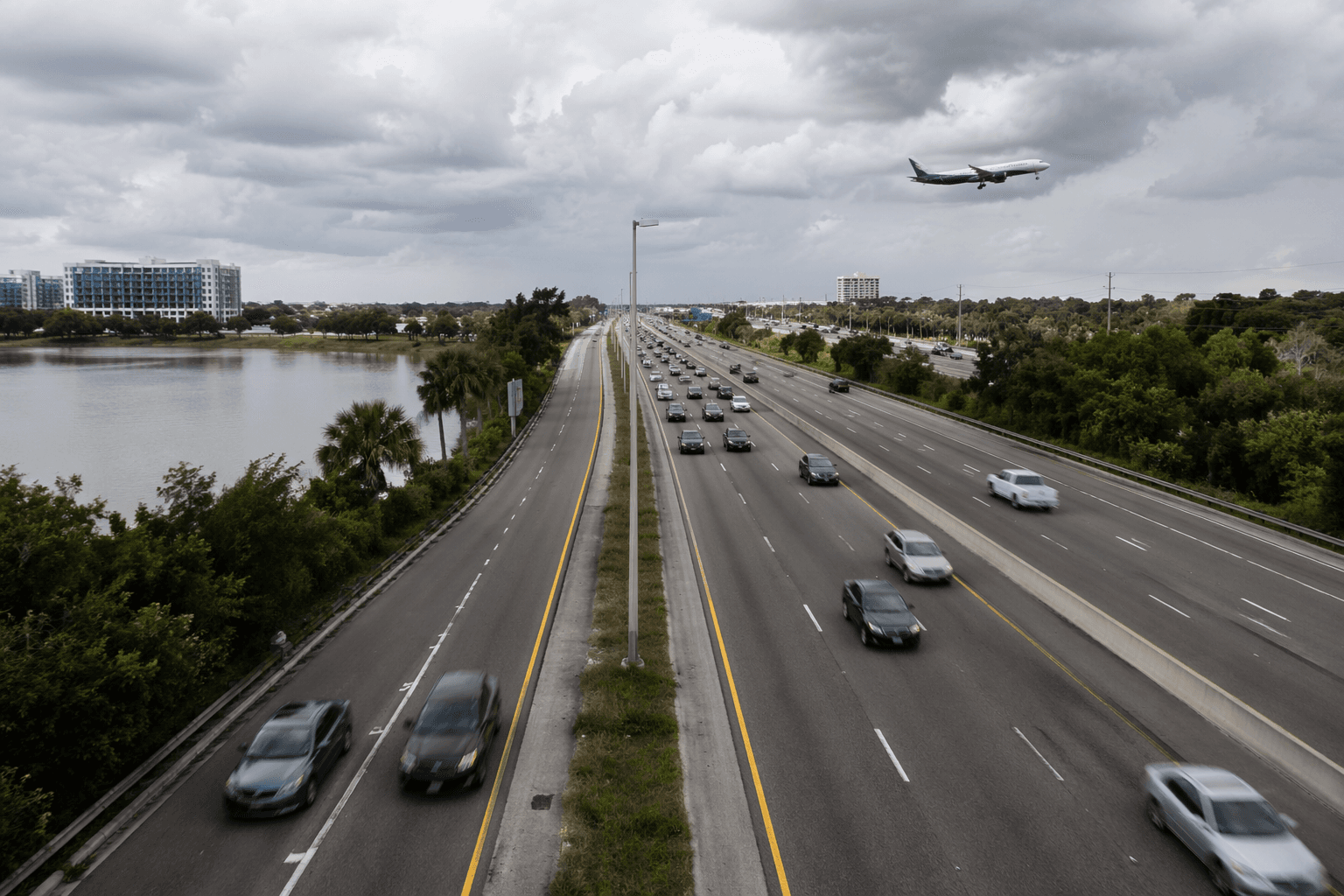
The county’s push has widened beyond Altamonte Springs. Longwood already approved a similar measure, and county officials have also asked Sanford, Oviedo, Winter Springs and Lake Mary to contribute their shares. Seminole County has already committed $50 million toward the project, which is estimated to cost about $200 million.
The proposed connector is meant to do more than move cars. County leaders say it would relieve congestion on East Lake Mary Boulevard and nearby corridors, improve access to commercial centers and support long-term growth around the airport area. The road would also improve access to Orlando Sanford International Airport, making the funding fight a regional test of how much each city wants its tax dollars attached to a project that serves more than one jurisdiction.
The issue has drawn a local political edge because the money comes from motorists and is collected locally, even as the road benefits may stretch across central Seminole County. Altamonte resident Dwayne Hardy argued that tax dollars should stay close to home as the city grows, and said residents could end up paying once through their fuel tax contributions and again if the project becomes a toll road they must use.
If Altamonte Springs signs the agreement, the city would formally keep control of the revenue and signal that it is not committing that money to the SR 417 connector. If it does not, Seminole County’s effort to assemble a city-by-city funding coalition could become harder, leaving the future of the connector more dependent on county dollars and whatever support remains from the other cities being asked to join.
This article was produced by Prism’s automated news system from verified source data, official records, and press releases, then run through automated quality and moderation checks before publishing. The system is built and supervised by the people who set the standards it runs under. Read our full AI policy.
Did this article answer your question?