Black Bear Wilderness Area blends trails, wetlands and history
Black Bear Wilderness Area is Seminole County’s wildest long walk: a 7.1-mile floodplain loop, historic levees, and a campsite reached only on foot.
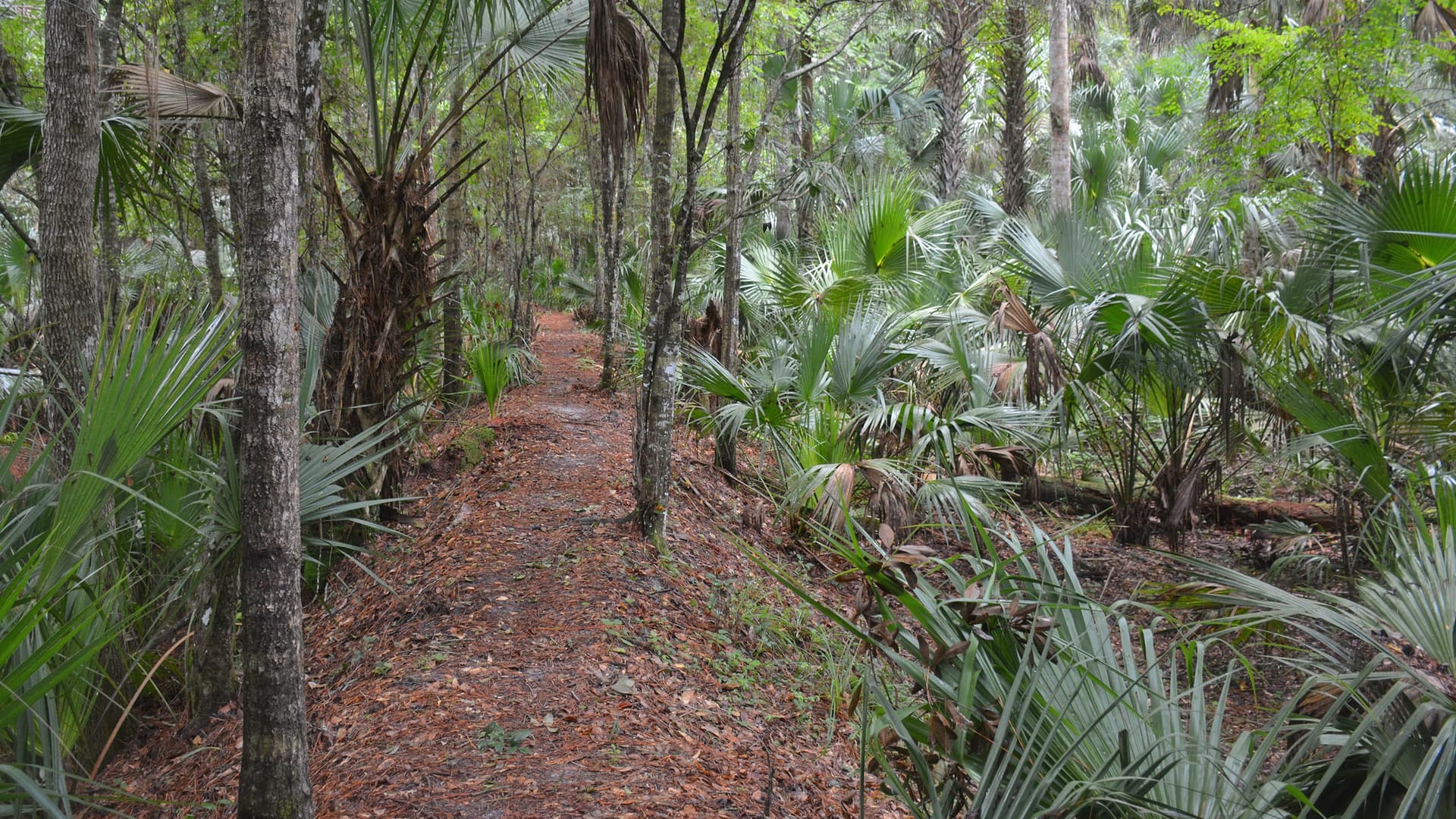
Black Bear Wilderness Area is not a quick stroll and it is not a manicured park. It is one of Seminole County’s most distinctive public lands, where a trail built on historic levees cuts through the floodplain of the St. Johns River and gives hikers a close look at wetlands, wildlife, and the county’s long-running land conservation work.
The payoff is simple: this is one of the county’s signature outdoor assets, and it asks for time, patience, and a willingness to get muddy. In return, it offers a rare mix of river habitat, wildlife sightings, and a trail experience that feels far removed from the paved paths and neighborhood greenways most local residents know best.
A floodplain trail with a history built into it
Black Bear Wilderness Area sits in northwest Seminole County, west of I-4, on about 1,600 to 1,650 acres of land within the floodplain of the St. Johns River. Seminole County describes the property as a mosaic of wetland habitats, and that mix is what gives the preserve its character: open water, marsh, floodplain forest, and low-lying ground that changes with the seasons.
The trail system follows historic levees, an old piece of water-control infrastructure that now serves a second purpose as public recreation access. That detail matters because it explains why the trail is there at all. The county’s 2020 land-management plan calls the preserve a conservation corridor linking critical habitat in the Wekiva River Basin, so the site is doing more than serving weekend hikers. It is part of a larger landscape connection between important habitats in Central Florida.
Seminole County records show the land was acquired in November 1985 and March 1993, which gives Black Bear a conservation history that stretches back decades. It is also one of nine wilderness areas acquired and managed by Seminole County, placing it inside a countywide land-protection system rather than treating it as an isolated trailhead.
What the trail is like on the ground
The main loop is approximately 7.1 miles and is marked with blue blazes. Several boardwalks help hikers cross wetter sections, but the county is clear that this is a floodplain trail, not a dry inland path. The 2024 trail guide says the route stays dry most of the year, yet it can experience significant flooding during the rainy season.
That seasonal shift is part of the experience and part of the warning. After heavy rain, expect mud, standing water, and slower footing. The trail is best approached as a full outing, not a casual detour, and that makes it especially appealing to hikers who want a more immersive Seminole County experience than a short nature walk can provide.
Practical preparation makes the difference here:
- Carry enough water for a long hike.
- Expect uneven ground, boardwalks, and sections that can hold water.
- Check current conditions before going, especially in the rainy season.
- Treat the loop as a real backcountry-style walk, not a park loop.
The county’s trail materials also emphasize quiet movement and trash-free visits. Packing out everything you bring in, keeping noise low, and staying alert to the habitat around you all improve the chances of seeing wildlife.
Wildlife is the point, not just the backdrop
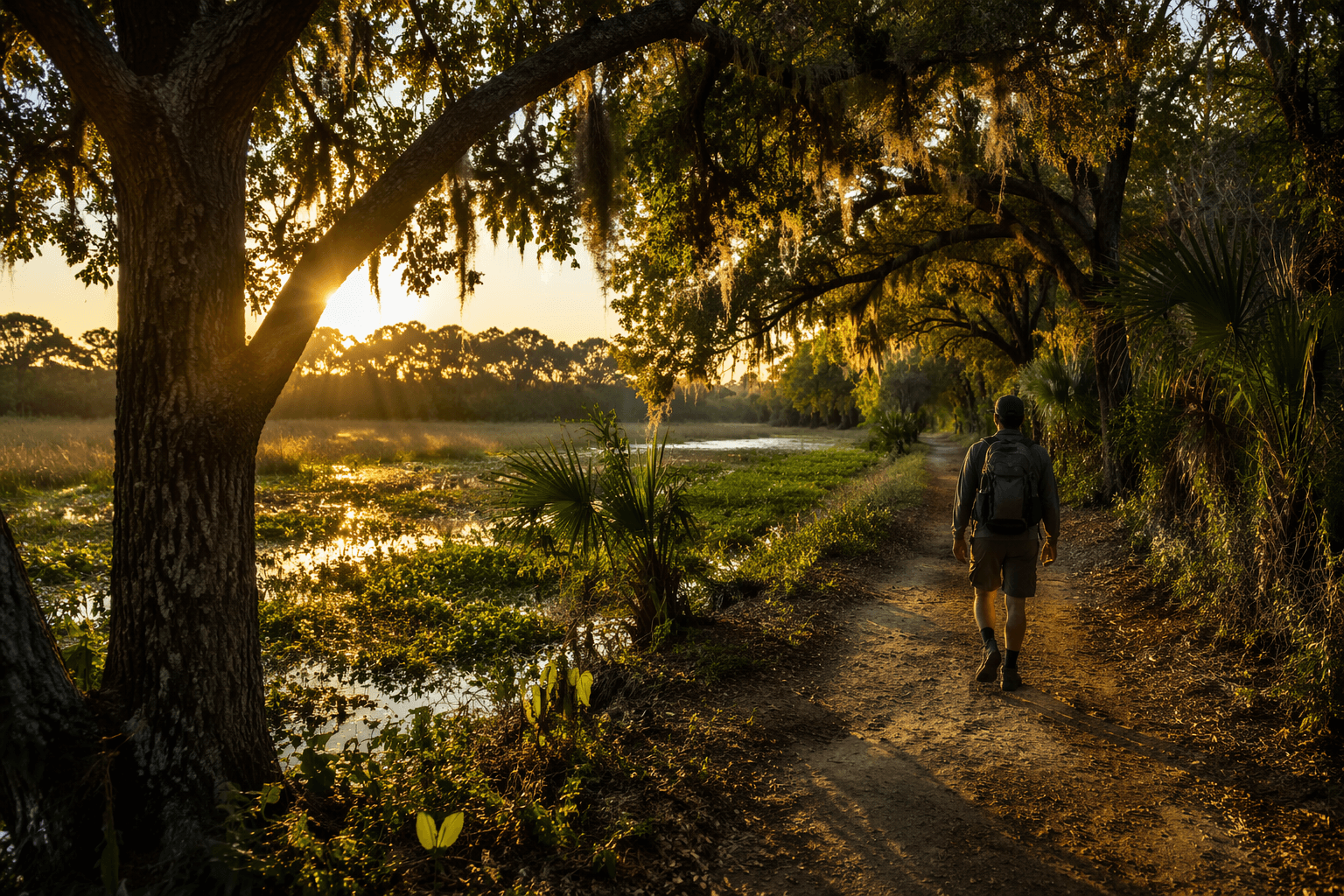
Black Bear’s wildlife list is broad enough to make almost any visit feel different from the last. Seminole County says quiet hikers may see Florida black bear, American alligator, river otter, white-tailed deer, swallow-tailed kite, wood stork, and great blue heron. Other guide material tied to the preserve adds barred owl, coyotes, wild pigs, snakes, and musk turtles to the list of possible sightings.
That range is exactly what makes the preserve stand out. The same trail can take you past river edges where alligators hold still in the water, through quiet woods where deer move off the path, and under the flight paths of birds that depend on wetland habitat. For local readers deciding whether the drive and the hike are worth it, the answer often comes down to whether they want a place that feels alive in more than one layer at once.
The county’s conservation framing is important here as well. Black Bear sits inside a broader network that helps connect habitat in the Wekiva River Basin, and Florida Hikes notes that its connection to Lower Wekiva River Preserve State Park helps maintain an uninterrupted floodplain landscape. That kind of continuity matters for wildlife movement and for the preserved feel that hikers notice on the ground.
Camping is possible, but only in a very limited way
Black Bear Wilderness Area includes a primitive campsite, but it is not a drive-up option and it is not equipped like a typical campground. Camping is by permit only, the site is limited to up to six people, and reaching it requires about a 3-mile hike. There are no vehicles at the campsite, and there is no running water, electricity, showers, or restrooms.
The reservation rules are part of the point. If the camping date is less than 72 hours away, reservations must be made at an active park. That makes planning essential and reinforces how remote the site is once you leave the parking area. Anyone considering an overnight stay should read the permit requirements carefully and expect a self-sufficient backcountry-style experience.
That setup also tells you something about the preserve’s purpose. This is not a crowded family campground with a full list of amenities. It is a conservation area that allows limited overnight use in a way that keeps the land largely wild.
Access, closures, and what changed recently
Black Bear has also seen recent county investment in access and maintenance. The preserve reopened on January 5, 2023, after Hurricane Ian cleanup work and a parking lot expansion that followed the removal of 50 to 60 fallen trees. It reopened again on December 2, 2024, with a reminder that the parking gate closes at sunset.
That parking rule is worth taking seriously. The lot can fill to capacity, and roadside parking is prohibited. The county’s message is straightforward: arrive early enough to secure a spot, and do not count on leaving a car along the road if the lot is full.
The site’s hours and rules fit the broader model of Seminole County Natural Lands. Open sunrise to sunset, leashed pets only, and a strong emphasis on protecting the habitat that makes the place worth visiting in the first place. For people weighing where county conservation dollars go, Black Bear shows the logic clearly: preserve the land, maintain controlled access, and let the public experience a landscape that still functions as floodplain, wildlife corridor, and trail system at the same time.
In a county where many outdoor spaces are designed for convenience, Black Bear Wilderness Area offers something rarer. It asks for effort, rewards preparation, and gives Seminole County residents a public landscape where history, engineering, and ecology still overlap in plain sight.
This article was produced by Prism’s automated news system from verified source data, official records, and press releases, then run through automated quality and moderation checks before publishing. The system is built and supervised by the people who set the standards it runs under. Read our full AI policy.
Did this article answer your question?