Cold New Year’s Day Brings Freeze Warning, Frost Risk to Central Florida
A freeze warning and frost advisory affected parts of Central Florida on New Year’s Day, with overnight lows dipping into the upper 20s in some inland locations. Seminole County residents should be aware of short-term risks to sensitive outdoor plants and people exposed to the cold, even as a swift warmup is expected over the next day.

A late-night push of cold air produced a chilly start to 2026 across Central Florida on January 1, prompting a freeze warning and frost advisory for portions of the region. Forecasters issued Impact Weather alerts through 8 a.m. for Sumter County and other northern and central counties as temperatures bottomed out overnight. Ocala recorded the area’s low at 28 degrees, while Orlando fell to 39 degrees.
Meteorologists warned of patchy frost in inland areas and urged precautions for sensitive outdoor plants and anyone who would be exposed to the cold. The combination of low temperatures and clear skies overnight created conditions favorable for frost formation in low-lying and lightly insulated locations.
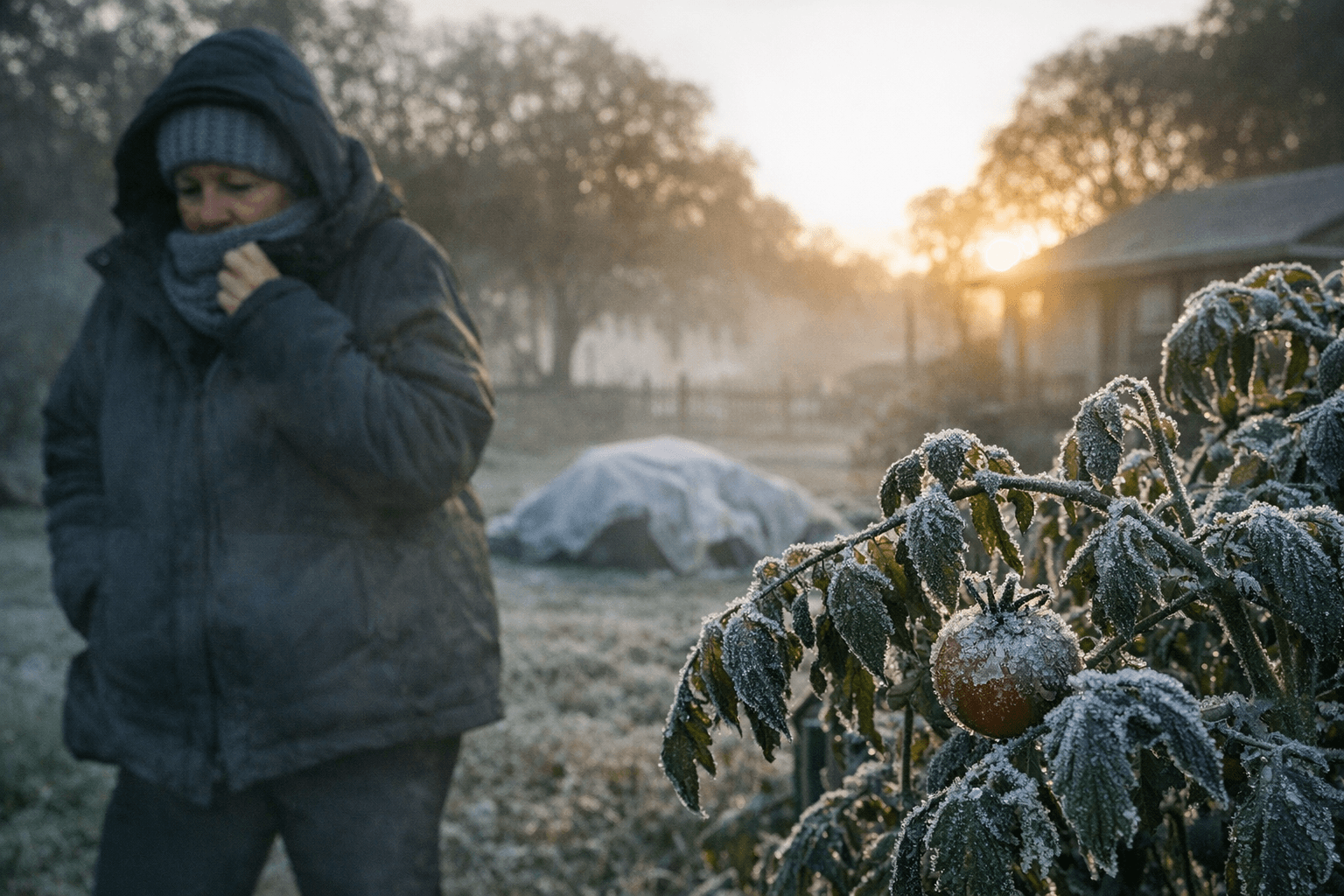
For Seminole County residents, the immediate concerns were familiar but real: tender plants such as young palms, potted landscaping, and outdoor irrigation systems can suffer damage when temperatures approach freezing, and people who spend extended periods outdoors face heightened discomfort and risk. Residents were advised to move vulnerable potted plants indoors or cover them, limit outdoor exposure for pets and people without adequate heating, and take normal winter-cold precautions for water pipes and uninsulated plumbing.
The cold was brief. Forecasts called for a rapid warmup on January 2, with temperatures expected to climb into the upper 60s and low 70s. Weather analysts noted a short cool period ahead of an approaching frontal system later in the week, but overall predicted a general warmup through the first part of the new week. That pattern, short, sharp cold snaps followed by prompt warming, is consistent with Central Florida’s seasonal variability, where large swings between overnight lows and daytime highs can occur.
From an economic perspective, even brief freezes can have localized effects on nurseries, landscaping businesses, and homeowners who maintain ornamental plants. Short-term increases in residential heating demand are also likely as households respond to colder-than-typical overnight temperatures, though the quick rebound into the 60s and 70s should limit prolonged pressure on energy use.
Local officials and community organizations typically monitor these episodes to protect vulnerable residents and outdoor workers. For individuals, the most effective steps remain simple: shield or bring in sensitive plants, check on neighbors who may be elderly or without adequate heat, and avoid prolonged outdoor exposure during the coldest hours. With the forecasted warmup, most winter-related impacts should be short lived, but the episode is a reminder that Central Florida’s mild winters can still produce sudden, damaging lows.
This article was produced by Prism’s automated news system from verified source data, official records, and press releases, then run through automated quality and moderation checks before publishing. The system is built and supervised by the people who set the standards it runs under. Read our full AI policy.
Did this article answer your question?