County Warns Residents After Rise in Lithium Ion Battery Fires
The Seminole County Fire Department reported a rise in fires started by lithium ion batteries, including those in e bikes, mopeds and golf carts. Officials say damaged batteries, improper modification, homemade or non UL approved chargers, and disposal in household trash are common triggers, and residents are urged to follow charging and disposal guidance to reduce risk.
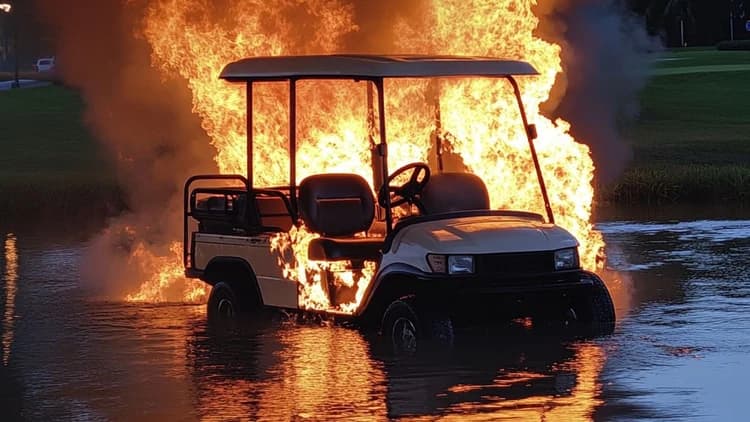
Seminole County fire officials reported on December 23 that the department has seen an increase in fires started by lithium ion batteries used in e bikes, mopeds, golf carts and other battery powered devices. Fire crews identified batteries that are damaged, improperly modified, charged with homemade or non UL approved chargers, or thrown into household trash as common triggers that lead to dangerous blazes.
Fire personnel warned that fires involving larger battery packs are particularly challenging. Larger packs, such as those used in electric vehicles and larger e bike systems, can reignite and are much harder to extinguish than conventional fires. Crews also noted that these fires can produce highly toxic smoke and require special handling and containment, increasing risk for residents and first responders and raising cleanup costs for neighborhoods where incidents occur.
To reduce the local risk, Seminole County issued specific safety recommendations. Residents are advised to use only manufacturer approved chargers, to charge one battery per outlet at a time, and to remove and isolate damaged batteries rather than disposing of them with household waste. The county accepts old and damaged batteries for free at the Central Transfer Station in Longwood, providing a safe disposal option that keeps hazardous materials out of regular trash collection.
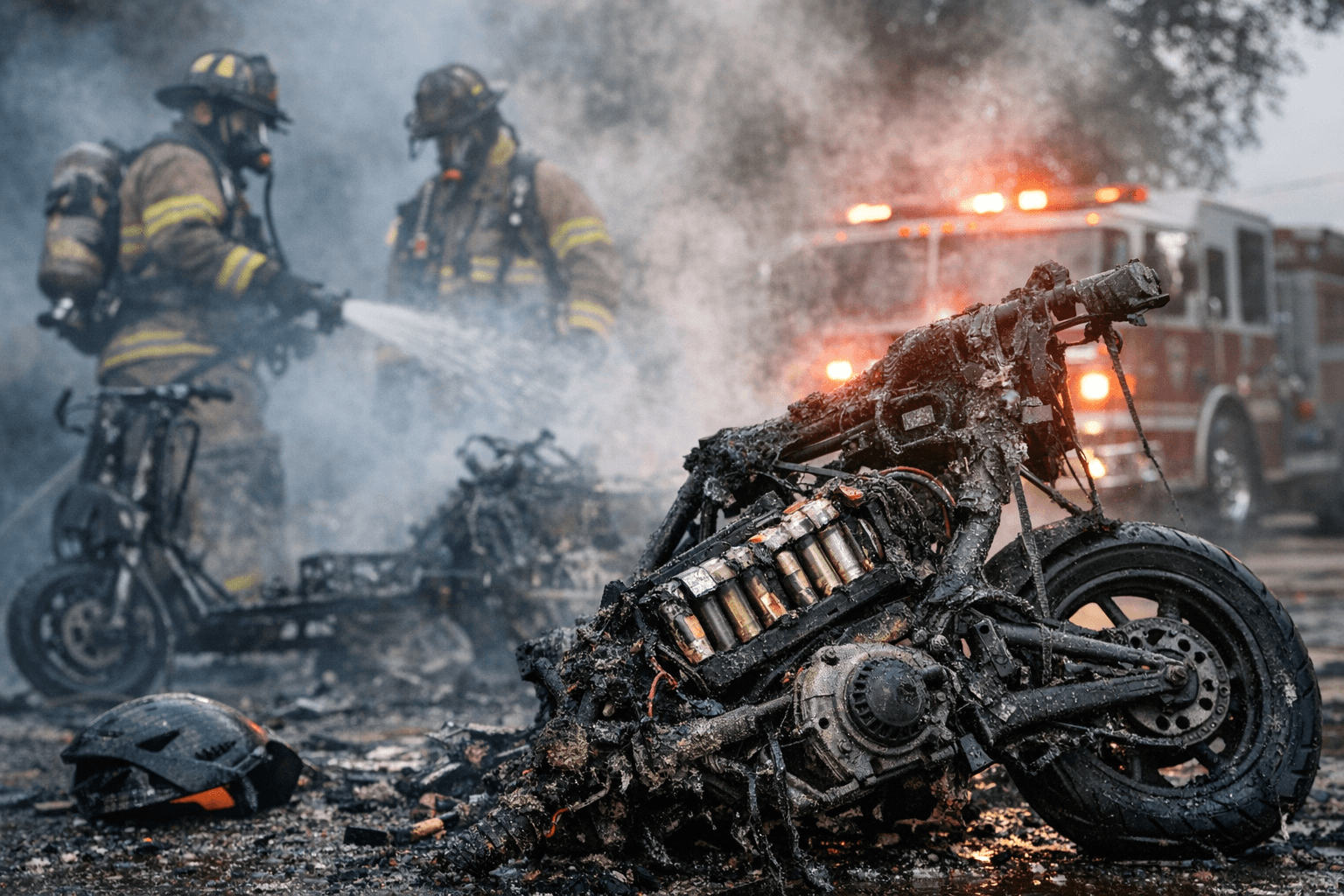
Staff at the county fire training center and in solid waste management outlined how Seminole County manages and mitigates battery related risks. Training for firefighters emphasizes special handling and monitoring for potential reignition, and solid waste staff maintain disposal programs to collect and process hazardous batteries safely. For Seminole County residents, the guidance means practical steps that can prevent house fires, reduce toxic smoke exposure, and limit strain on emergency services during the busy holiday and winter season.
Following the county advice is the clearest way to protect homes and public spaces from the growing hazard posed by damaged and improperly charged lithium ion batteries.
This article was produced by Prism’s automated news system from verified source data, official records, and press releases, then run through automated quality and moderation checks before publishing. The system is built and supervised by the people who set the standards it runs under. Read our full AI policy.
Did this article answer your question?