Deltona Rescue Fights Abandonment, Seeks More Local Support for Rabbits
Holly Hops Rabbit Rescue and Rehabilitation Inc. in Deltona has cared for abandoned rabbits since 2017, securing early grant support but continuing to rely on donations and volunteers to provide medical care and rehoming. The rescue highlights rising abandonment, limited targeted funding, and the need for expanded spay neuter and vaccination efforts to protect rabbits and reduce pressure on local animal services.
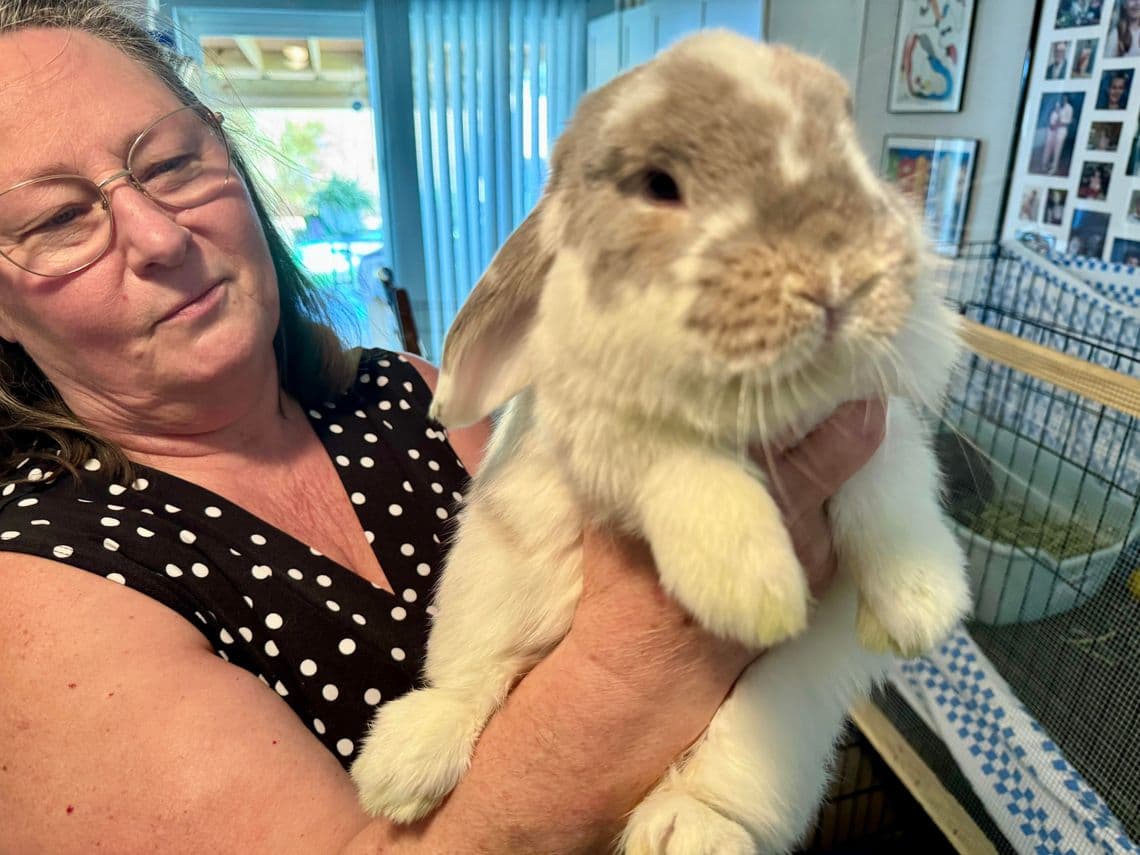
Elizabeth Simonian of Deltona founded Holly Hops Rabbit Rescue and Rehabilitation Inc. in 2017 and has run the nonprofit with the help of friends and volunteers ever since. A mother of four who holds a master’s degree in Criminal Justice, Simonian built the rescue after years of fostering rabbits and volunteering with other organizations. The rescue received a First Steps Grant and later a Second Steps Grant, recognition that helped expand care and placement capacity.
Simonian outlined the rescue’s operations and priorities, which center on rescuing rabbits, securing medical treatment including spay or neuter surgery, vaccinating against RHdV2, and placing animals with vetted fosters and adopters. Domestic rabbits, the rescue notes, are the third most abandoned pet in the United States, a pattern that increases demand for medical care and temporary housing at grassroots organizations like Holly Hops. The rescue is well regarded by local veterinarians and is recommended for bunny sitting by clients, which has helped sustain community trust.
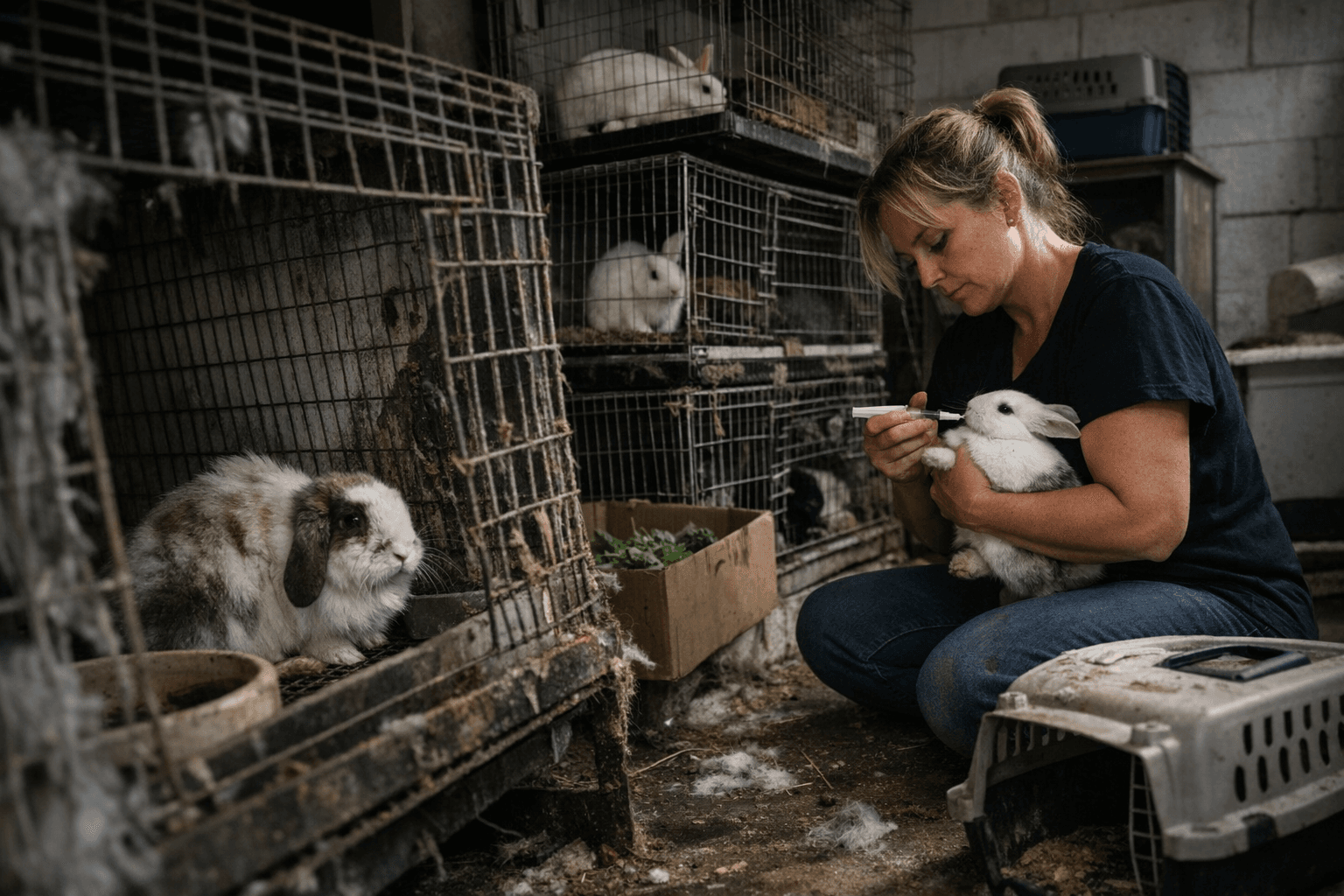
Simonian described a lifelong affinity for small animals and the moral impetus for her work. “Small animals have always interested me since I was young,” she said. “I used to hide a hamster in my sock drawer so my mother couldn’t find it. I had a lifetime of dogs, cats, guinea pigs, hamsters, fish and now rabbits seem to be in the plan that was laid out for me by God. I have learned that animals are simple where people are not, and they are very forgiving of your faults.”
The rescue’s reliance on public donations for medical care food and supplies highlights a policy gap. Simonian noted that few grants are specifically targeted to rabbit rescues and that backyard breeding contributes to abandonment. Those constraints have implications for Seminole County animal welfare planning, because limited funding and volunteer capacity can leave rabbits at greater risk of poor outcomes and can shift costs to municipal shelters and taxpayers.
For residents considering adoption or fostering the rescue recommends spay or neuter and vaccination against RHdV2 to protect individual animals and reduce disease risk in the community. Sustained civic engagement through donations volunteering and advocacy for targeted funding would bolster local capacity to address rabbit abandonment and support small rescue organizations that fill gaps in county services.
This article was produced by Prism’s automated news system from verified source data, official records, and press releases, then run through automated quality and moderation checks before publishing. The system is built and supervised by the people who set the standards it runs under. Read our full AI policy.
Did this article answer your question?