Dense Morning Fog Created Hazardous Commutes Across Seminole County
Dense fog rolled through Central Florida on Tuesday morning, Jan. 6, prompting advisories that reduced visibility to under a half-mile in spots and persisted through 9 a.m. The conditions made morning travel hazardous for commuters and emergency responders, then gave way to a pleasant, warm day with partly cloudy skies and highs near 80 degrees.
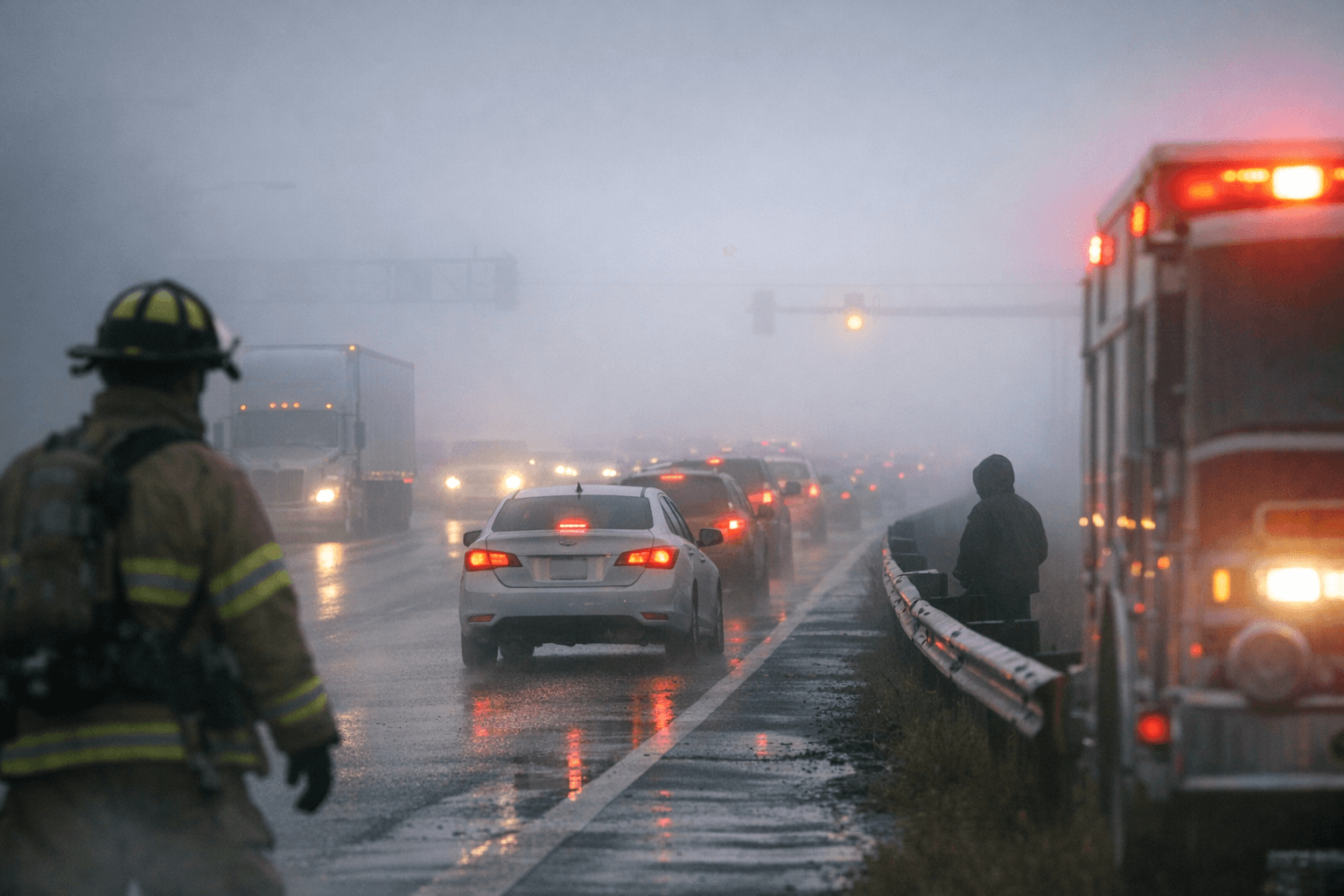
Dense fog advisories were in effect across Central Florida on the morning of Jan. 6, and Seminole County residents faced severely limited visibility during peak commute hours. The advisory warned that fog could reduce visibility to under a half-mile in spots and recommended motorists slow down, allow extra stopping distance and use low-beam headlights until conditions improved. Advisories were expected to persist through 9 a.m.
By midmorning the fog lifted and the day turned pleasant, with partly cloudy skies and temperatures rising into the upper 70s to about 80 degrees. Meteorologists said a nice, warm week was likely before the next frontal system arrives this weekend, and they urged residents to keep up with updated weather alerts from the First Warning Weather team.
The immediate public health and safety implications were clear for Seminole County. Dense fog increases the risk of multi-vehicle collisions and secondary accidents during congested commuting periods, and even brief reductions in visibility can complicate emergency response and medical transports. For residents who must travel for work, medical appointments or caregiving duties, limited visibility can mean missed shifts, delayed care and heightened stress. Those without flexible schedules or reliable vehicles may face disproportionate burdens when hazardous conditions arise.
Transportation and health systems feel these impacts unevenly. Ambulance crews and other first responders often must balance rapid response with safety when road conditions deteriorate, and clinic schedules can be disrupted when patients are delayed or unsafe to travel. In communities where public transit and rideshare options are limited, early-morning fog disproportionately affects essential workers and lower-income residents who cannot shift their travel times.
Local officials and service providers can reduce harm by maintaining timely alerts, coordinating between transportation and health agencies, and ensuring that community members know basic safety measures for fog. For individuals, practical steps remain simple and effective: slow down, increase following distance and use low-beam headlights until visibility improves.
As Central Florida moves into a warmer spell before the next front this weekend, residents should remain attentive to forecast updates and advisories. Timely weather information from the First Warning Weather team will help Seminole County families and workers plan safe travel and protect access to care during changing conditions.
This article was produced by Prism’s automated news system from verified source data, official records, and press releases, then run through automated quality and moderation checks before publishing. The system is built and supervised by the people who set the standards it runs under. Read our full AI policy.
Did this article answer your question?