Deputy bodycam shows rescue attempt after alligator attack in Seminole County
A Seminole deputy sprinted to Brittany Clark and applied a tourniquet after a 12-foot alligator mauled her in the Econlockhatchee River.

Seminole County Sheriff’s Office bodycam shows a deputy racing to the Econlockhatchee River and applying a tourniquet after a 12-foot alligator mauled 31-year-old Brittany Clark near the Barr Street Trailhead in Little Big Econ State Forest. Clark, an Orlando woman, was swimming with friends in Seminole County on Sunday, June 28, after hiking with her boyfriend and best friend when the attack happened.
Clark’s boyfriend made the 911 call seeking help as the scene turned into a rescue effort along the riverbank just east of Orlando. Reports say the alligator bit both of Clark’s arms and severed one. Deputies, Florida Fish and Wildlife Conservation Commission officers and a contracted nuisance alligator trapper responded, and Clark was transported to the hospital as a trauma alert. She later died.
The sheriff’s office also released 911 audio and the bodycam footage, which captured the urgency of the response as the deputy worked to stop the bleeding before Clark reached the hospital. Trappers later captured two large alligators near the attack site, one measuring 12 feet and the other 13 feet. FWC said laboratory testing is being used to determine which reptile was responsible.
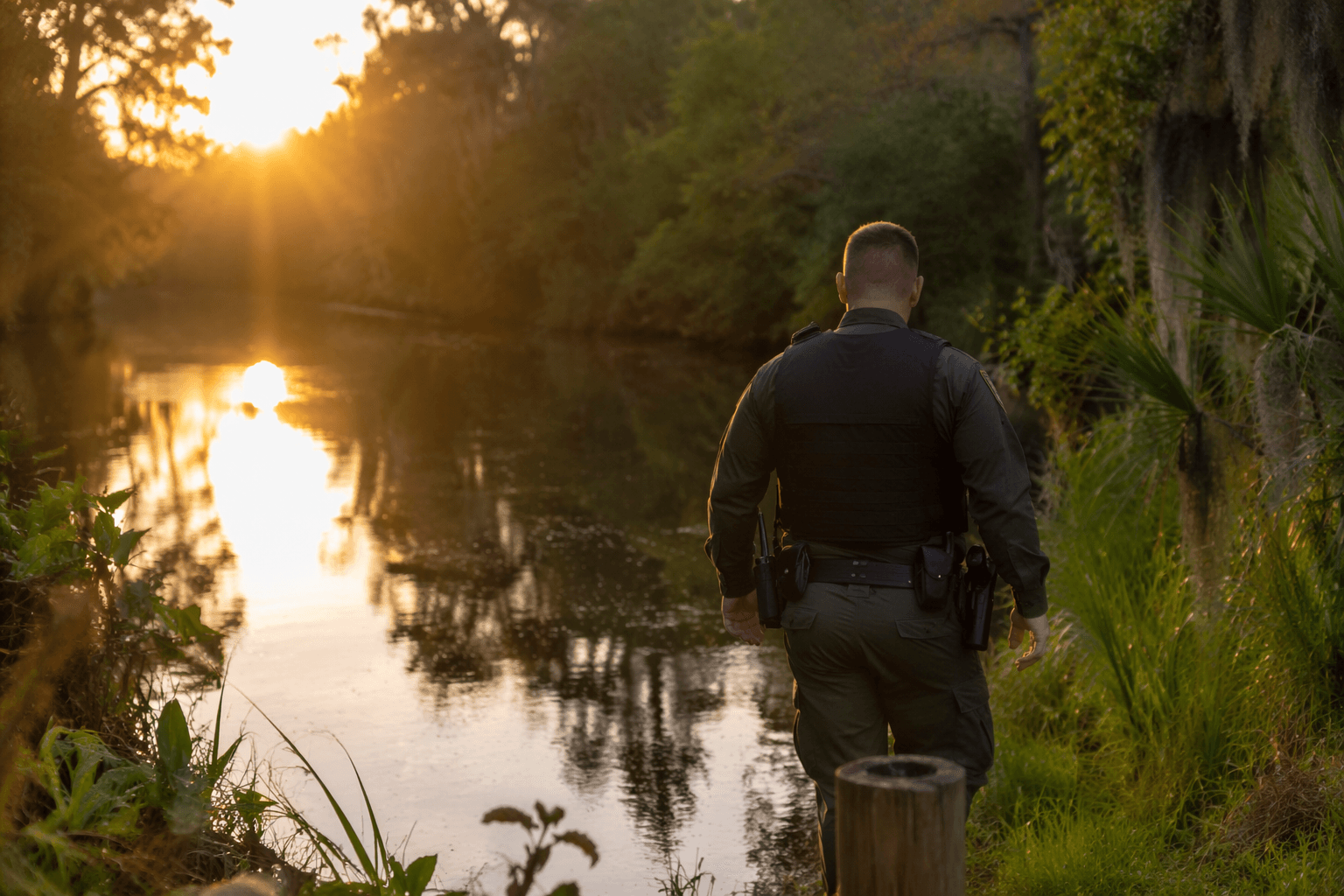
The case has put a harsh local spotlight on where alligator encounters happen and how fast a swim in a familiar river can become deadly. FWC says Florida has an estimated 1.3 million alligators, found in all 67 counties, and that they live in freshwater lakes, ponds, swamps and slow-moving rivers, including waterways like the Econlockhatchee. The agency says serious injuries are rare, but its incident records still list more than 600 alligator incidents from 1948 to 2014, including 455 bites.
FWC has also said alligators can be active and visible in warmer weather, which makes summer outings on Seminole County waterways a known risk. In this case, the difference between a routine stop to swim and a fatal attack was measured in minutes, with a deputy’s tourniquet, a frantic 911 call and multiple agencies converging on the riverbank before Clark was taken away by ambulance.
This article was produced by Prism’s automated news system from verified source data, official records, and press releases, then run through automated quality and moderation checks before publishing. The system is built and supervised by the people who set the standards it runs under. Read our full AI policy.
Did this article answer your question?