Florida Gas Price Increase to $2.81 Impacts Seminole County
The statewide average price for a gallon of regular gasoline in Florida rose seven cents week-over-week to $2.81 on January 5, 2026, up from $2.74. The uptick reflects short-term regional market conditions and typical post-holiday demand shifts, a change that can modestly affect Seminole County commuters, delivery firms, and municipal fuel budgets.
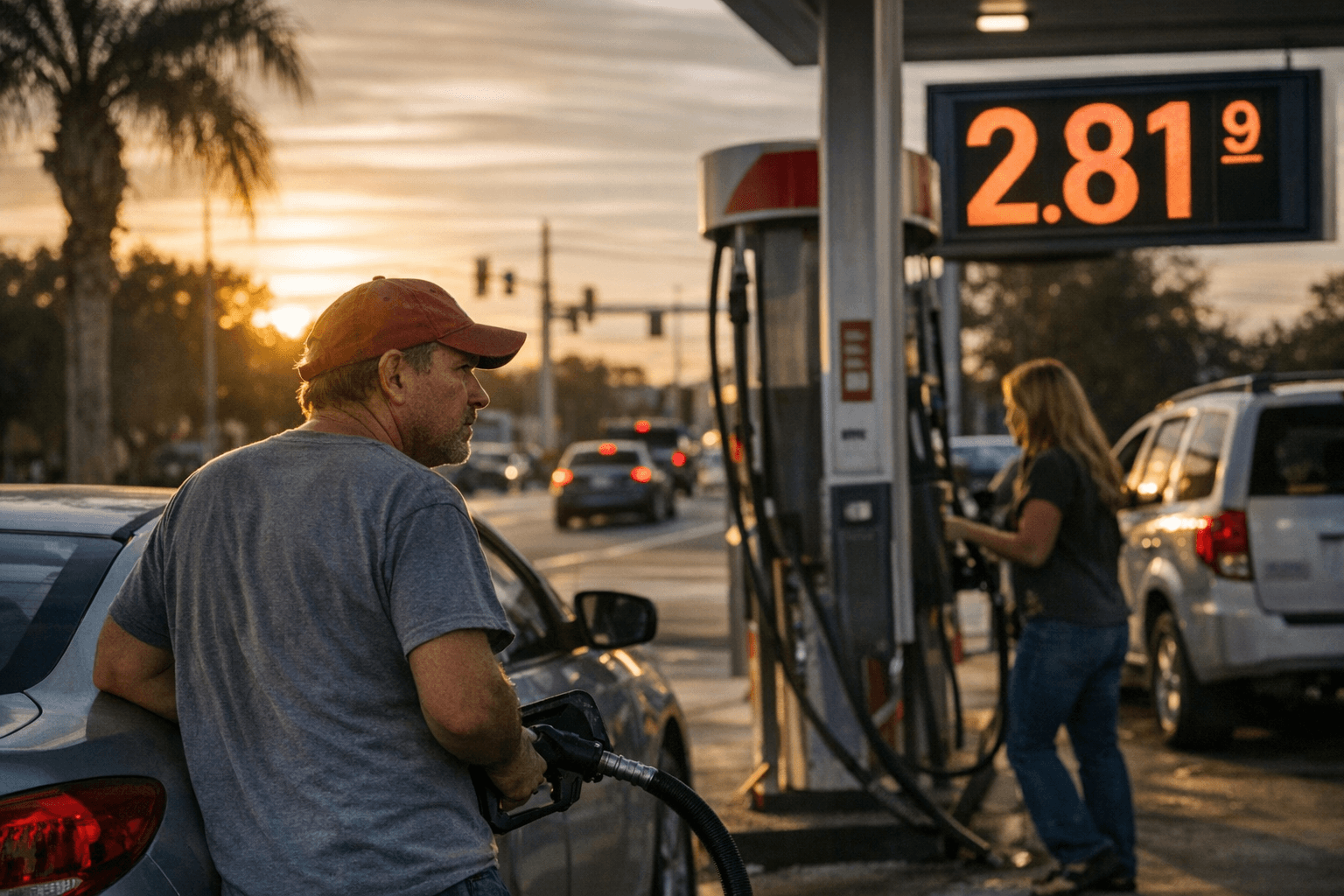
Florida motorists saw a modest jump at the pump early this month as the week-over-week average retail price for regular gasoline increased seven cents to $2.81 per gallon on January 5, 2026, rising from $2.74 the prior week. The move marks a near-term reversal of the recent stability in weekly averages and is consistent with seasonal patterns that often push demand and prices higher after the holidays.
Gas market analysts at GasBuddy, represented locally by petroleum analyst Patrick De Haan, attributed the rise to regional market conditions and the typical post-holiday demand shift that affects short-term pump-price moves. Local averages varied across the region, with neighboring counties such as Orange and Brevard showing their own fluctuations tied to supply, distribution and temporary demand differences.
For Seminole County residents, the increase translates into slightly higher out-of-pocket costs for everyday driving and for businesses that rely on fuel-intensive operations. Small increases in fuel expense can accumulate for delivery services, landscaping firms, taxis and school transportation, and they can also feed through indirectly into goods and service prices. County agencies that budget for fuel, including public works and transit, monitor these weekly shifts because sustained increases can pressure operating budgets and service planning.
In the broader market context, short-term pump-price moves are typically driven by a combination of regional supply balances, refinery maintenance schedules, pipeline or transportation constraints and seasonal demand. Analysts note these factors tend to produce temporary volatility rather than long-lasting spikes when change is measured in single-digit cents week-over-week. Policy responses at the state or county level are unlikely to be triggered by this size of change alone, though prolonged upward trends would draw more attention from budget officers and local officials responsible for contracted services.
Seminole County drivers should expect continued short-term variability as the market adjusts after the holiday period. Monitoring weekly averages and local station pricing remains the most practical way for households and small businesses to manage fuel costs in the near term.
This article was produced by Prism’s automated news system from verified source data, official records, and press releases, then run through automated quality and moderation checks before publishing. The system is built and supervised by the people who set the standards it runs under. Read our full AI policy.
Did this article answer your question?