Goldsboro's heritage drives preservation, housing and small business focus
Goldsboro, Sanford's historically Black neighborhood, anchors a coordinated effort by the Sanford Museum, city advisory committees and community organizations to preserve cultural stories, support affordable housing and nurture small businesses. These efforts shape local planning, visitable walking routes and public events that matter for residents seeking family history, economic opportunity and protection from displacement.
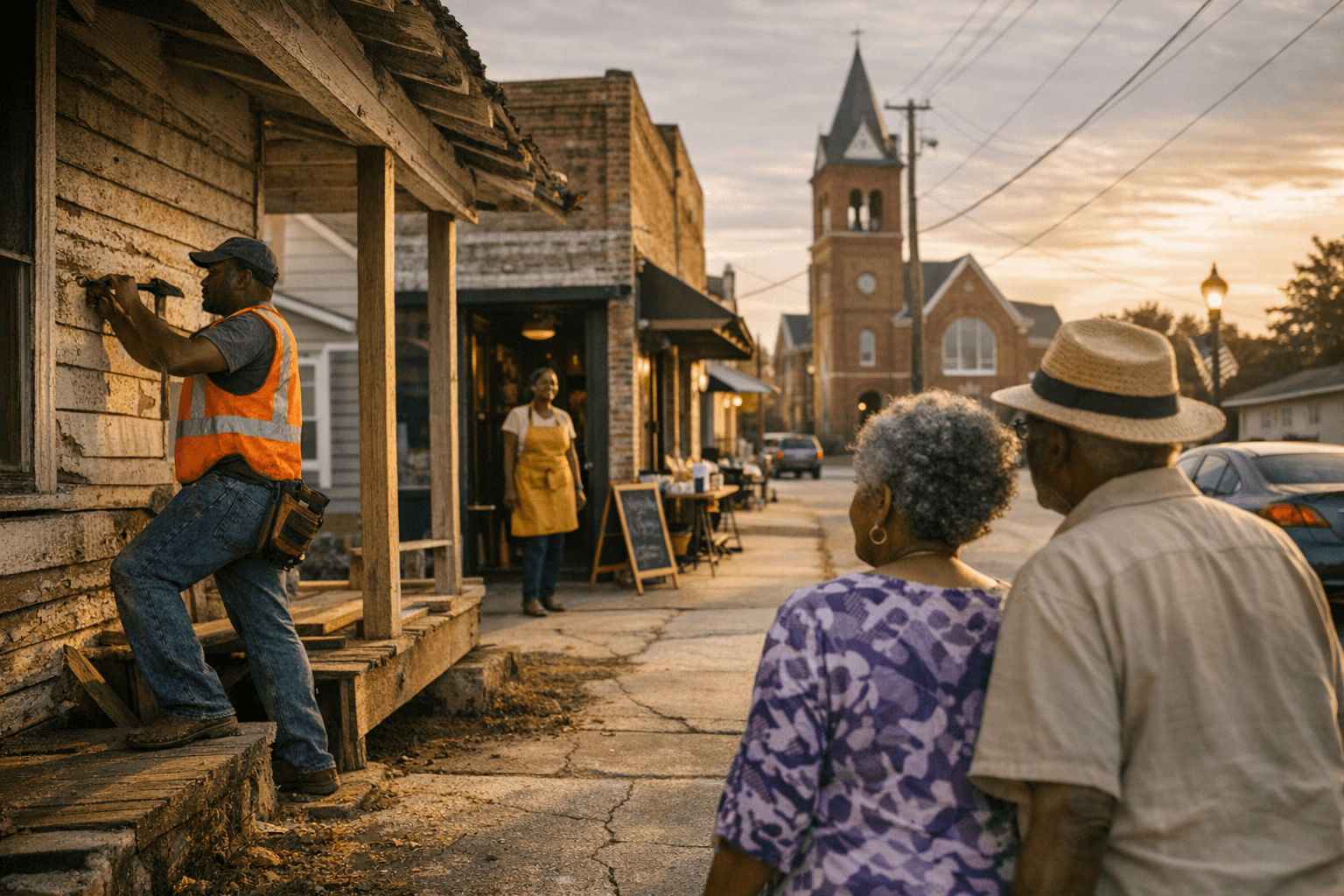
Goldsboro remains the cultural heart of Seminole County as municipal and nonprofit actors combine preservation work with community and economic priorities. The Sanford Museum and local historic commissions maintain archives and organize commemorations, while public art projects such as the Goldsboro commemorative quilt and events unveiled at City Hall make the neighborhood visible to residents and visitors. The city and museum list upcoming commemorations and research resources on their websites, providing ongoing access for those tracing family and neighborhood history.
City structures are central to coordination. The City of Sanford's Historic Preservation and REEI advisory committees coordinate projects and public programs that shape which properties are highlighted, how walking routes are promoted and where limited public funds are steered. Community organizations focused on preservation, affordable housing and small business support link cultural stewardship to practical economic outcomes, advocating for policies that reduce displacement while helping entrepreneurs capitalize on increased foot traffic around heritage sites.
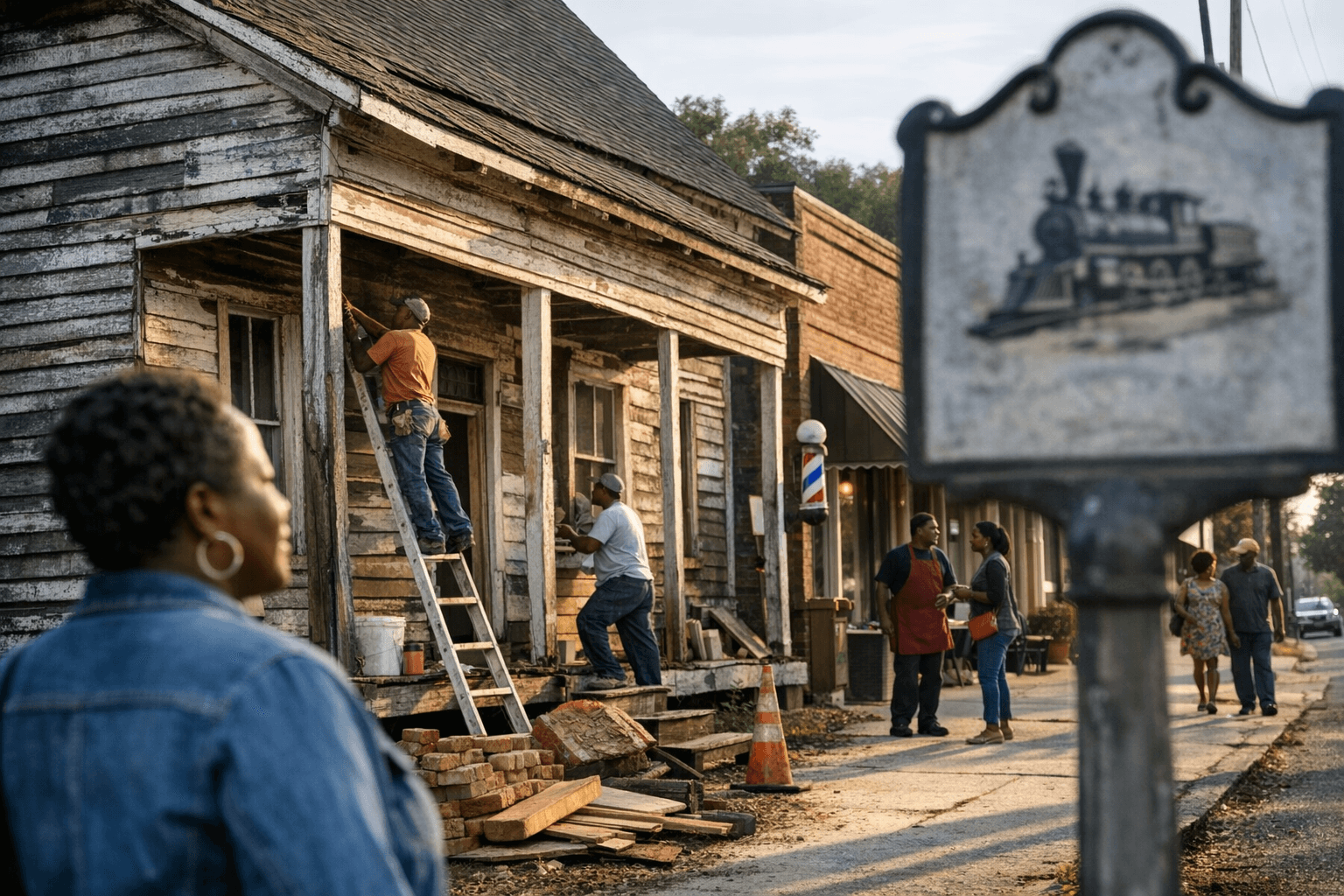
For local residents the effects are tangible. Walking routes that highlight historic homes, churches and landmarks create opportunities for heritage tourism that can increase customer traffic for nearby businesses. Archive access and program calendars enable families and researchers to document lineage and property histories. At the same time preservation priorities interact with housing policy, raising trade offs between conserving historic fabric and expanding affordable housing supply. How advisory committees allocate program emphasis will affect zoning, grant priorities and public investments in the years ahead.
From a policy perspective, integrating preservation with housing and small business support offers a pathway to inclusive local development. Maintaining accessible archives, transparent event calendars and coordinated advisory work helps ensure that cultural recognition translates into economic benefits for long term residents rather than displacement. As Seminole County adapts to growing interest in cultural tourism and community led development, Goldsboro’s programs provide both a model and a test case for balancing memory, livelihoods and housing.
This article was produced by Prism’s automated news system from verified source data, official records, and press releases, then run through automated quality and moderation checks before publishing. The system is built and supervised by the people who set the standards it runs under. Read our full AI policy.
Did this article answer your question?