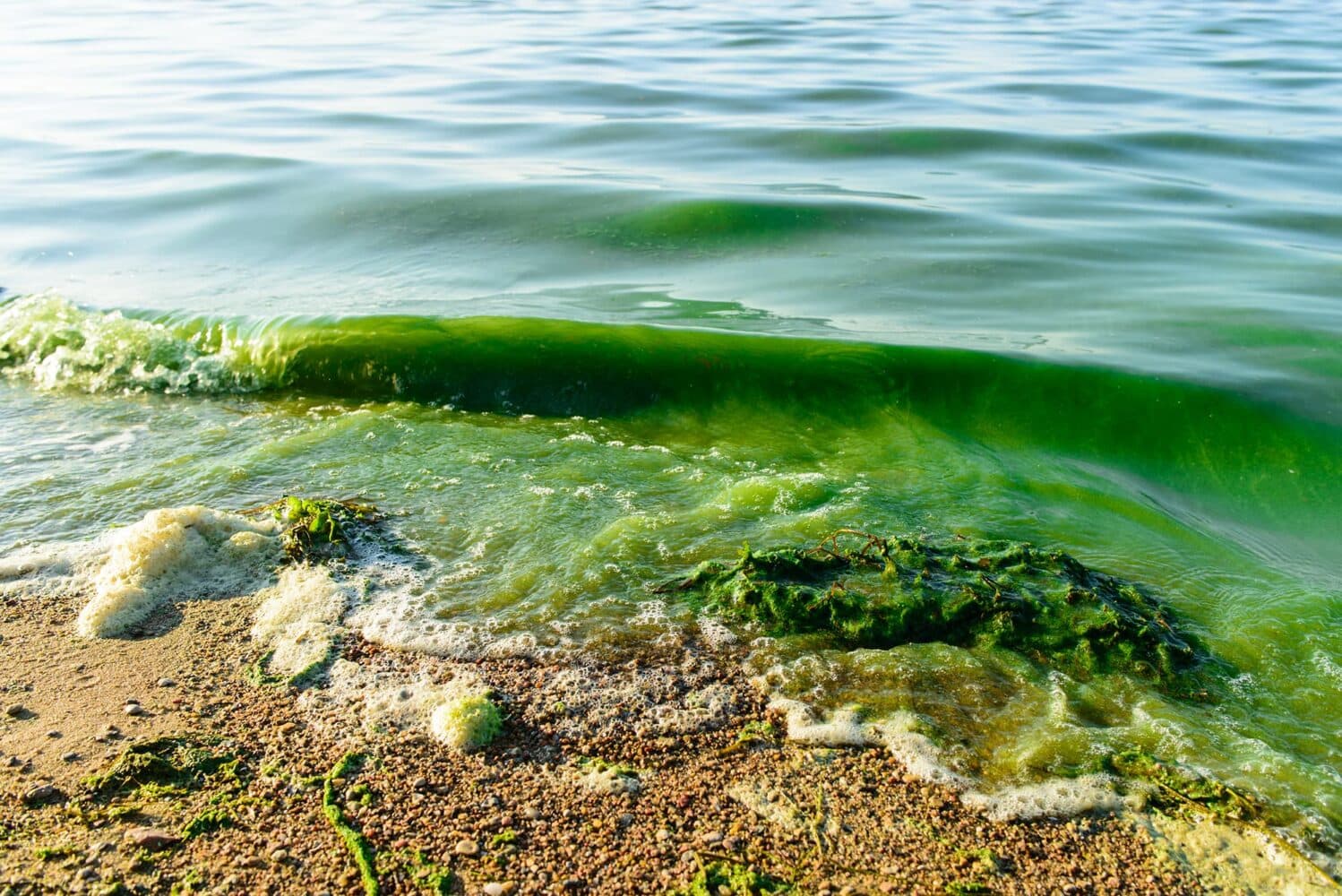
Health alert issued for blue-green algae at Lake Jesup
A June 5 health alert warns Lake Jesup families, pets and anglers to stay out of visible blooms after a June 2 sample raised toxin concerns.
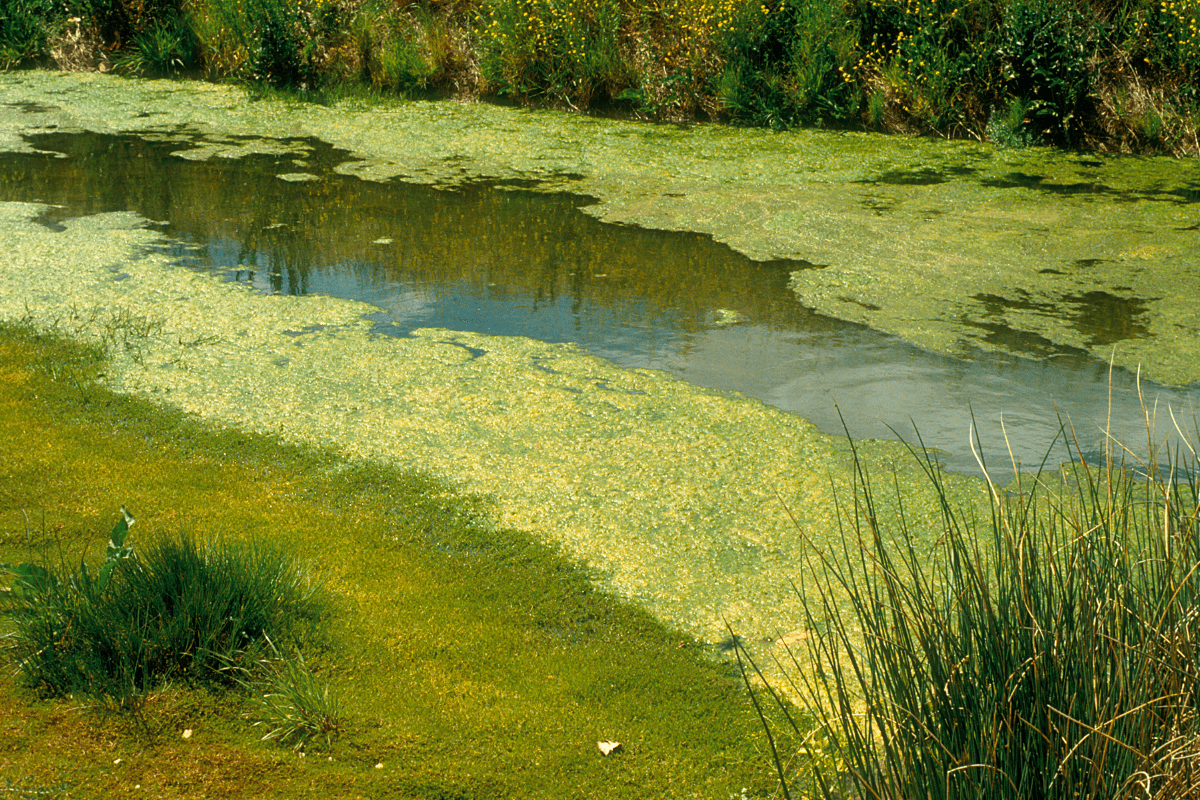
Families, pets and anglers around Lake Jesup should stay out of any water showing a blue-green algae bloom after the Florida Department of Health in Seminole County issued a health alert June 5 based on a June 2 sample. The warning is simple and immediate: do not drink the water, do not swim or wade in it, and do not use personal watercraft where the bloom is visible. Blue-green algae can show up as scum, foam or a paint-like layer on the surface.
DOH-Seminole also said to keep pets and livestock away from the lake and to wash skin and clothing with soap and water after any contact. People should not cook with or clean dishes in contaminated water, because boiling will not eliminate the toxins. For anglers, the department said healthy fish fillets from freshwater lakes with blooms can still be eaten if they are rinsed with tap or bottled water, the guts are discarded and the fish is cooked thoroughly.
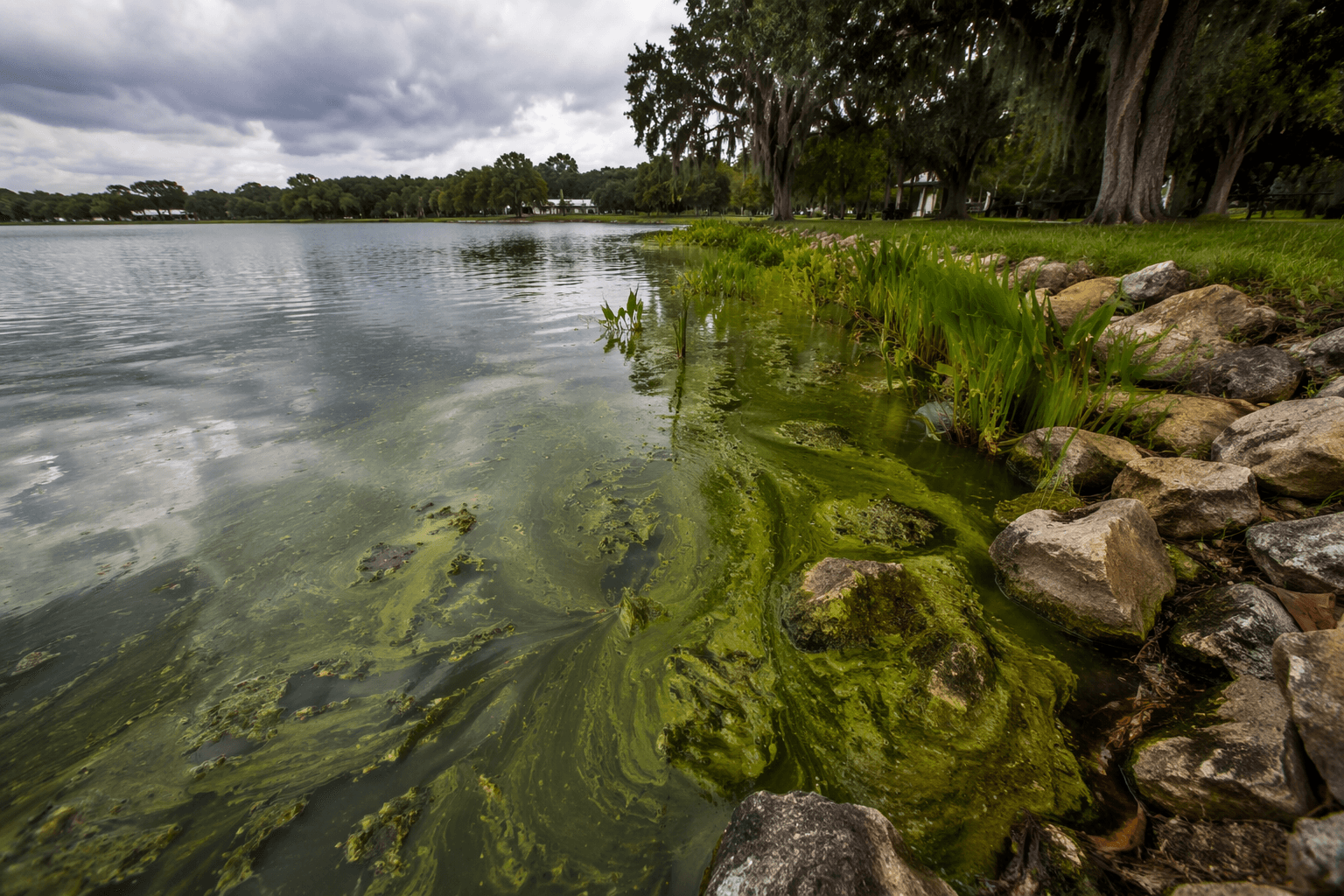
The county health alert comes as blue-green algae become more common in Florida’s freshwater during summer and fall, when sunny days, warm water, still water and excess nutrients can fuel blooms. Anyone spending time on Lake Jesup this weekend should treat any discolored shoreline, cove or launch area with caution and avoid contact wherever the water looks affected.
Lake Jesup is Seminole County’s largest lake and drains a 150-square-mile watershed that reaches into parts of Seminole and Orange counties, including Oviedo, Sanford, Winter Park, Casselberry, Maitland, Longwood, Altamonte Springs, Lake Mary, Eatonville, Winter Springs and Orlando. The north shore Lake Jesup Wilderness Area, a roughly 490-acre site purchased to help preserve habitat and restore the lake, sits inside a basin that has been a long-running focus for cleanup and restoration.
Interest in restoring the lake dates to 1993, when Friends of Lake Jesup began organizing around the issue. The St. Johns River Water Management District named Lake Jesup a priority basin in 2002, and the Florida Department of Environmental Protection adopted a total maximum daily load for total phosphorus in 2008. DEP’s June 2025 Lake Jesup Basin Management Action Plan says excessive nutrients are the primary pollutants contributing to the lake’s impairments.
That nutrient problem is also the target of newer fixes. State-funded research at Lake Jesup has included a Mote Marine Laboratory and Aquarium project studying a floating device called Lake Guard Dew to eliminate blue-green algae. Separately, the water management district says a planned nutrient-reduction project is designed to remove at least 50,000 pounds of nitrogen and 5,000 pounds of phosphorus each year when fully built, with construction estimated at $20 million to $25 million and bidding and construction expected in fiscal 2027-2028.
This article was produced by Prism’s automated news system from verified source data, official records, and press releases, then run through automated quality and moderation checks before publishing. The system is built and supervised by the people who set the standards it runs under. Read our full AI policy.
Know something we missed? Have a correction or additional information?
Submit a Tip