Longwood woman spots monkey in backyard, warns neighbors to stay away
A Longwood coffee break turned into a wildlife alert when Katie Cowan spotted a rhesus macaque in her backyard near Wekiva Springs State Park.
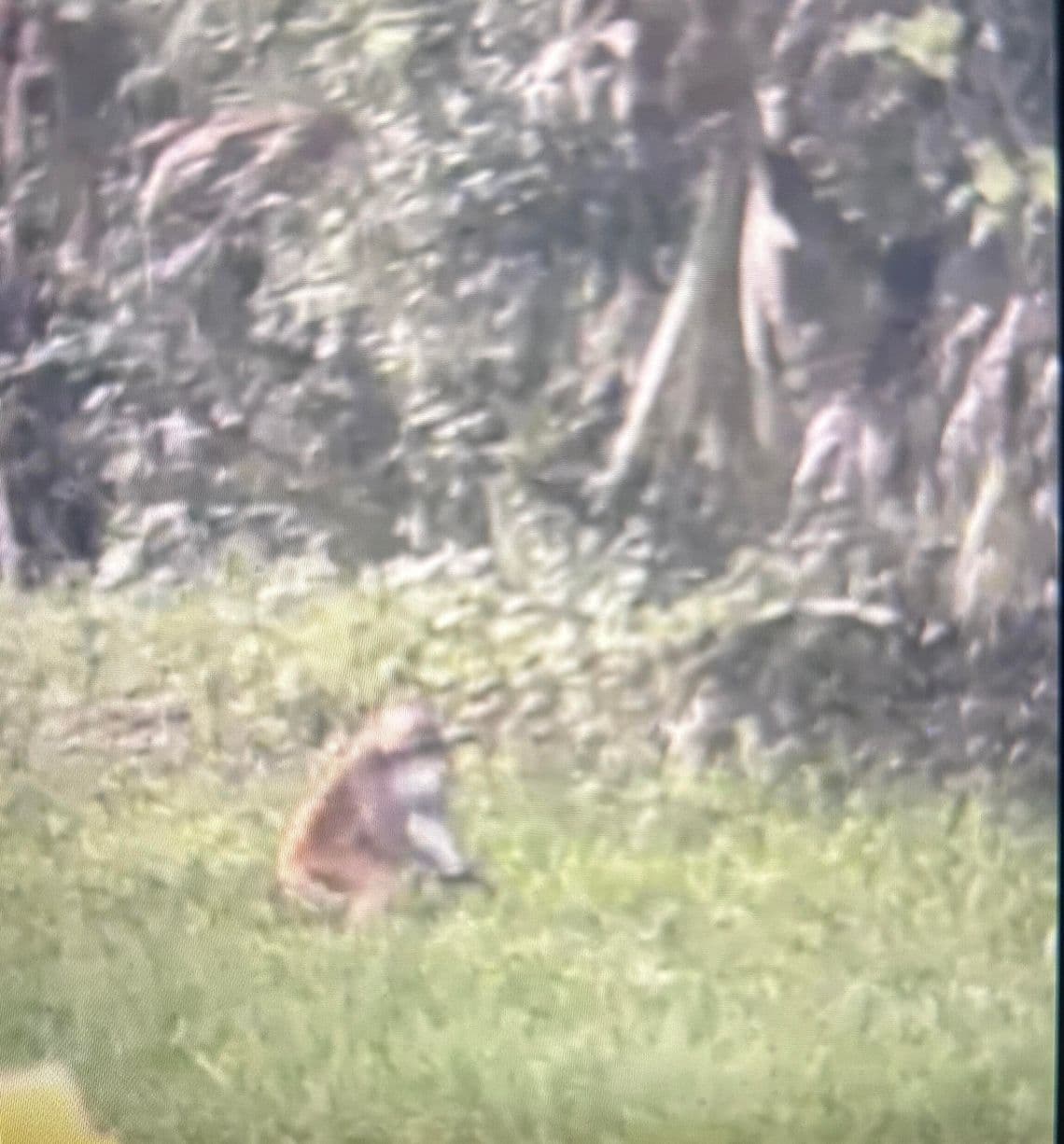
A Longwood morning coffee turned into an unusual wildlife call when Katie Cowan looked out her window on Monday, May 25 and saw a rhesus macaque in her backyard near Wekiva Springs State Park. Cowan, identified in other coverage as Catherine Castillo, said the animal was the wrong size and color for the usual wildlife around her home, and she quickly realized it was a monkey.
Cowan called the Florida Fish and Wildlife Conservation Commission after the sighting, and a neighbor reportedly did the same. The agency told the household the animal appeared to be from the Silver Springs group and warned people not to go near it or feed it. For Seminole County residents, the message was practical: if an exotic animal turns up in a yard, keep distance and report it through the state’s wildlife-sighting channels.

The sighting also points back to a long-running Florida wildlife issue centered in Silver Springs. University of Florida IFAS says rhesus macaques were introduced into what is now Silver Springs State Park in the mid-1930s, when Colonel Tooey released about six monkeys on an island in the Silver River to attract tourists. The animals spread in part because rhesus macaques are strong swimmers, and the population reached around 400 by the 1980s.
State researchers have documented how far that legacy has spread. A 2022 University of Florida IFAS publication said a private trapper captured about 830 rhesus macaques in the Silver Springs and Ocklawaha River area between 1998 and 2012, including about 700 from Silver Springs State Park, for biomedical research facilities. UF IFAS research has also found that the Silver Springs macaques may prey on bird eggs and consume nearly 50 species of plants, which is one reason wildlife officials treat sightings seriously.
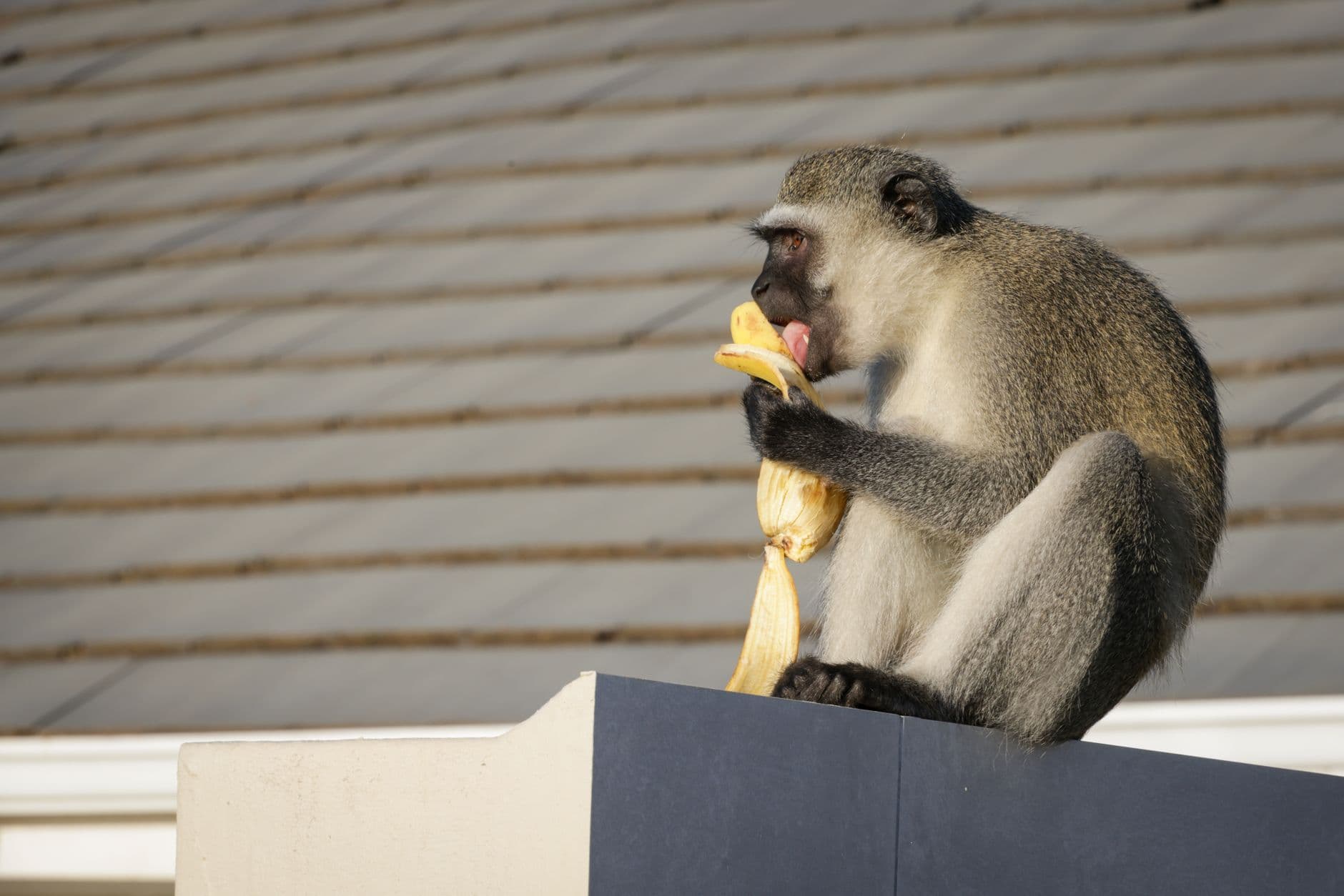
The Longwood encounter was unusual, but not without precedent. Coverage from NBC News and other outlets has noted that rhesus macaques and vervet monkeys are the two monkey species reproducing in Florida, and other reports have placed escaped or roaming macaques in places such as Orange City and Mount Dora. In Longwood, the striking part was the setting itself: a backyard, a cup of coffee and a monkey most residents would never expect to see so close to home.
This article was produced by Prism’s automated news system from verified source data, official records, and press releases, then run through automated quality and moderation checks before publishing. The system is built and supervised by the people who set the standards it runs under. Read our full AI policy.
Did this article answer your question?