Low water levels spread across Seminole County, Central Florida lakes
Low water was visible at Cranes Roost Park and Lake Baldwin as Seminole County stayed under mandatory irrigation restrictions.
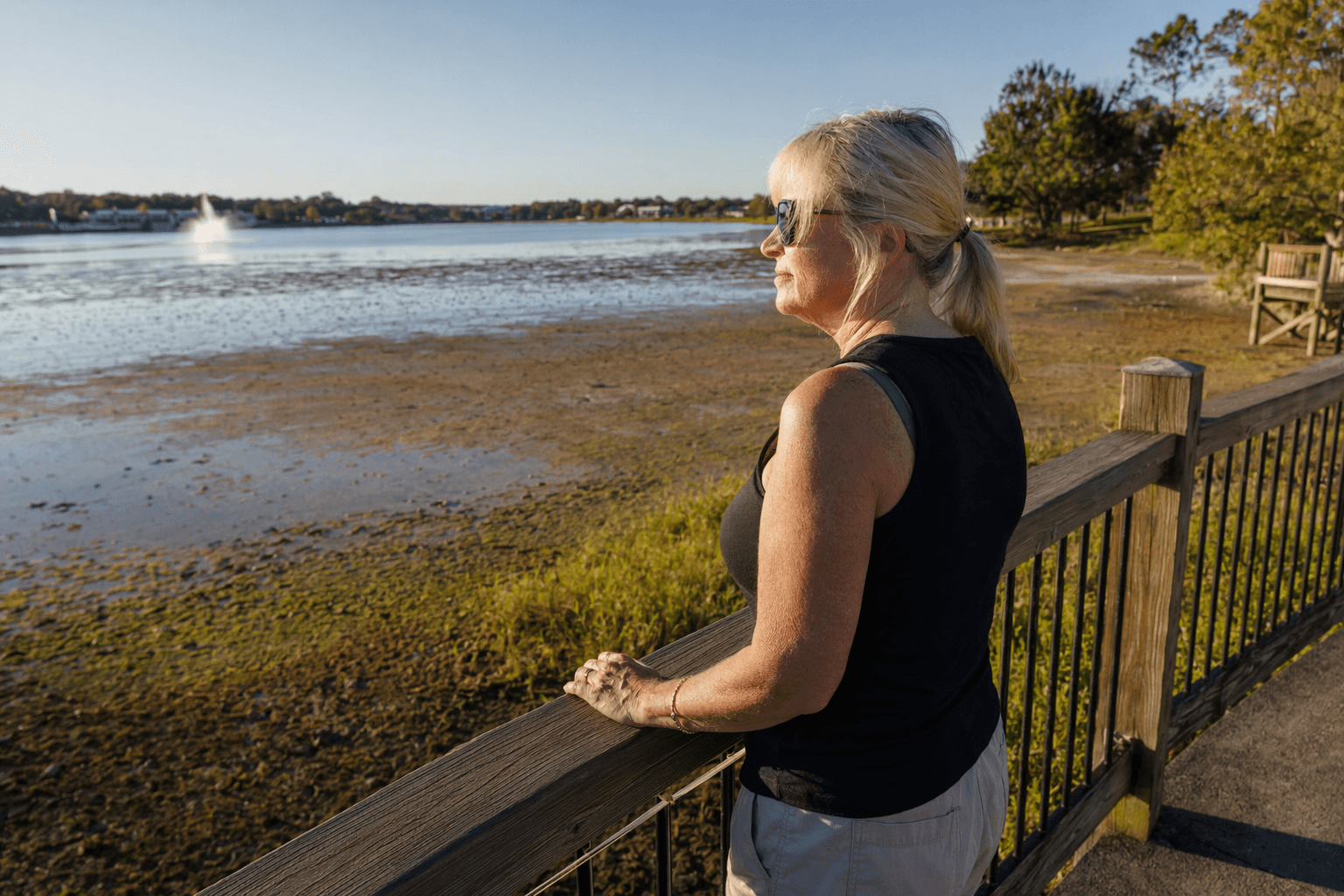
Waterline drops at Cranes Roost Park and Lake Baldwin put the dry spell in plain view for Seminole County residents, turning a weather statistic into something visible at neighborhood lakes and parkfronts. News 6’s April 29 tour of Central Florida waterways showed lower-than-usual levels across the region, including in and around Altamonte Springs and Seminole County.
The county’s drought numbers show why the scene matters. Drought.gov says 422,718 people in Seminole County are affected by drought, covering 100% of the county’s population. The county also logged its 48th driest March on record and its 18th driest January-March on record over the past 132 years, with March rainfall 1.37 inches below normal and the first three months of the year 4.62 inches below normal. Those gaps are showing up along shorelines, on boat ramps and in fish habitat, while also tightening irrigation supply and adding to wildfire concerns as vegetation dries out.
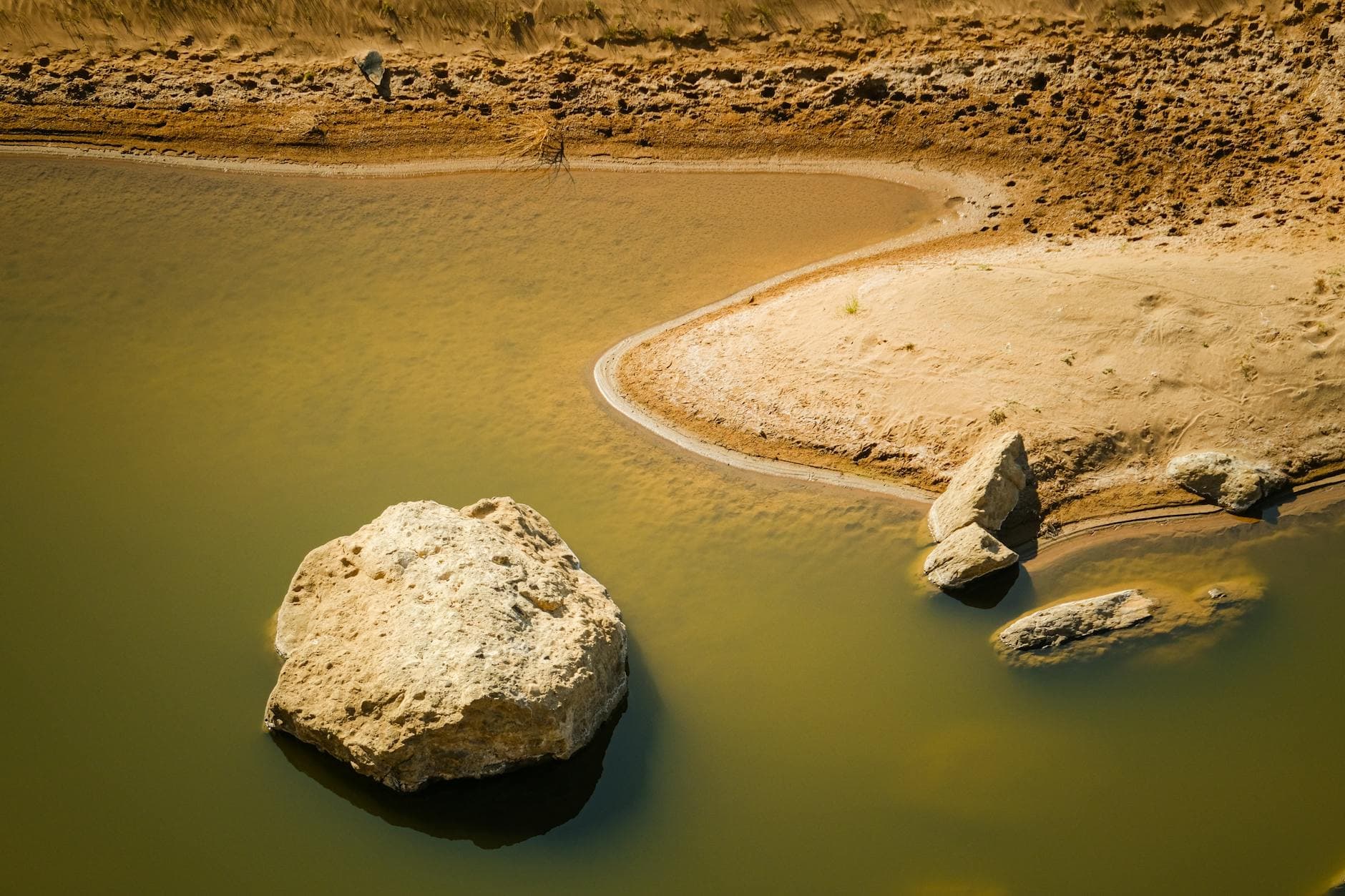
The broader map shows Seminole County is not an isolated pocket of stress. The U.S. Drought Monitor map released April 30 used data valid April 28 and still showed drought across Florida. Drought.gov’s Southeast update on April 16 said Moderate to Exceptional drought covered 96.83% of the Southeast and Severe to Exceptional drought covered 81.75%, the largest area of drought and severe drought or worse in the region since the monitor began in 2000. That update said precipitation deficits stretched back to July 2025, and Florida’s September-March period ranked as the third driest on record among Southeast states.

Seminole County already has mandatory watering restrictions in place, and they apply to all water sources, including private wells, ground or surface water, public utilities and reclaimed water. The St. Johns River Water Management District and partners marked April as Water Conservation Month on April 3 as dry conditions remained widespread, while NASA said in late April that nearly all of Florida faced at least moderate drought and nearly 80% faced extreme drought. With regional groundwater, streamflow and reservoir levels already under pressure, the low water now visible at Seminole County’s lakes is part of a longer, harder dry pattern, not a temporary dip.
This article was produced by Prism’s automated news system from verified source data, official records, and press releases, then run through automated quality and moderation checks before publishing. The system is built and supervised by the people who set the standards it runs under. Read our full AI policy.
Did this article answer your question?


