New Florida Animal Abuse Registry Raises Concerns in Seminole County
Florida’s newly enacted “Dexter’s Law” created a statewide public registry of people convicted of animal abuse, intended to improve transparency and aid enforcement and advocacy. Seminole County stakeholders and animal welfare advocates say the initial public tool lacks key contextual information, prompting lawmakers and the Florida Department of Law Enforcement to pursue refinements.
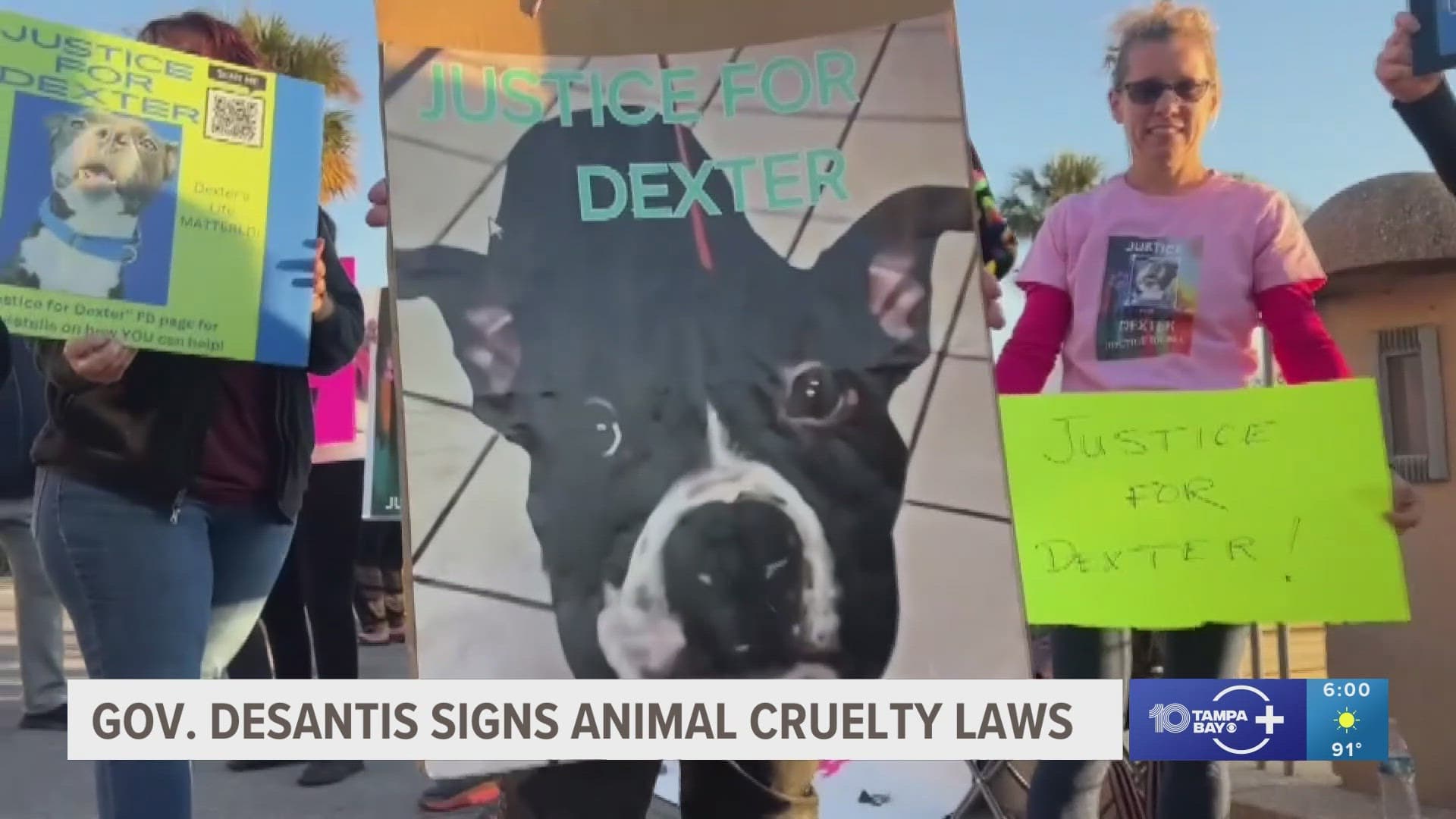
On Jan. 6, 2026, the state launched the public listing created under legislation commonly known as Dexter’s Law, establishing a centralized database of individuals convicted of animal abuse. The registry is designed to make conviction information accessible to the public, assist enforcement agencies, and support advocacy efforts aimed at protecting animals.
Lawmakers who sponsored the measures framed the initiative as a step toward greater accountability. Representative Linda Chaney, sponsor of Dexter’s Law and related bills, acknowledged concerns raised about the new tool and said lawmakers are working with the Florida Department of Law Enforcement to improve the database. FDLE is responsible for assembling and maintaining the publicly accessible listings.

Despite the law’s stated goals, animal welfare groups and some stakeholders criticized the initial public-facing version of the registry for lacking sufficient contextual information. Critics say essential details such as the specific convictions, sentencing information and timelines are not clearly presented, which undermines the database’s usefulness for the public and for agencies that rely on accurate records when making placement, licensing or enforcement decisions.
For Seminole County, the debate carries practical implications. Local animal control officers, shelter staff and advocacy organizations commonly use criminal records to make determinations about animal placement, enforcement priorities and risk assessment. A public registry that omits conviction dates, the nature of offenses or case dispositions can create ambiguity, potentially complicating enforcement actions and increasing the risk of misinterpretation by residents seeking to assess threats to animal welfare.
Policy and institutional questions also arise about implementation. Centralizing records under FDLE should, in theory, streamline access for law enforcement across jurisdictions, but it places new administrative and technical burdens on the agency to ensure accuracy, completeness and timely updates. Advocates are urging lawmakers and FDLE to incorporate clearer conviction details and timelines so the tool serves both public transparency and operational needs without producing misleading results.
Seminole County leaders and community groups will be watching how the state responds. Lawmakers have signaled a willingness to refine the registry in consultation with FDLE, which may yield changes to data presentation, explanatory materials or standards for inclusion. For residents and local officials, the immediate takeaway is that the registry exists as a new resource but remains a work in progress; further adjustments are likely as officials reconcile public access with accuracy and utility for enforcement.
This article was produced by Prism’s automated news system from verified source data, official records, and press releases, then run through automated quality and moderation checks before publishing. The system is built and supervised by the people who set the standards it runs under. Read our full AI policy.
Did this article answer your question?