New Year’s Day births bring fresh starts to Seminole County hospitals
On Jan. 1, 2026, infants were born across Central Florida during the first hours of the new year, with arrivals at hospitals that serve Seminole County captured in short video clips. The round-up offers a local snapshot of family milestones and highlights how holiday staffing, maternity capacity, and public health planning intersect with everyday community life.
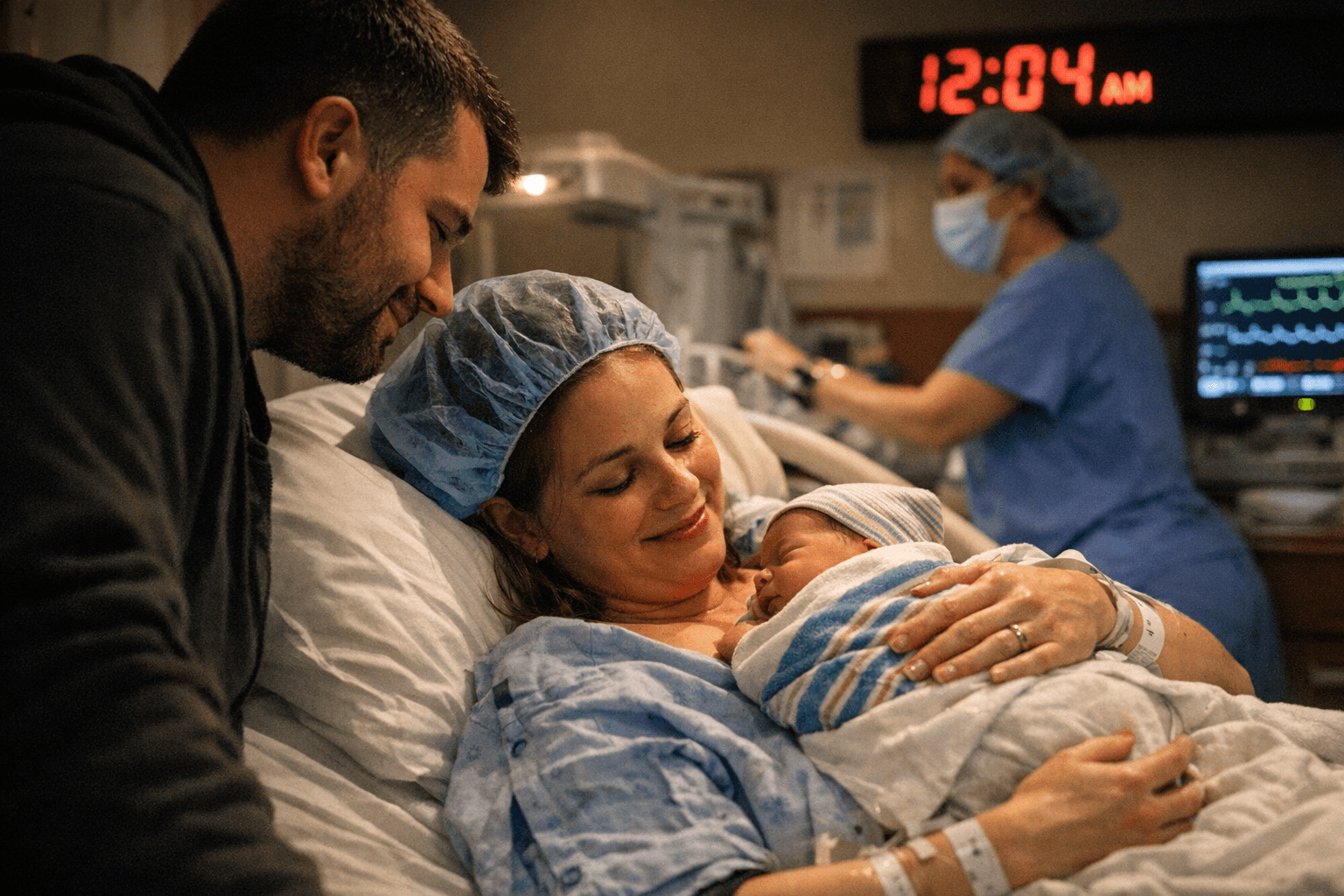
In the opening hours of Jan. 1, 2026, parents at multiple Central Florida hospitals welcomed newborns as the calendar turned to the new year. Facilities that serve Seminole County recorded births alongside hospitals across the region, and brief video clips of the first infants of 2026 provided a human-interest look at the moment families began the year together.
The footage showed families and hospital staff marking routine but emotionally significant events that draw community attention each New Year. Such arrivals create a temporary spike in activity for maternity wards and neonatal units already operating year-round, and they often occur while hospitals run on holiday staffing schedules. For Seminole County residents, the images underscored the role local hospitals play in essential care delivery during nights, weekends, and holidays.
Beyond the personal milestones, New Year’s births serve as a reminder of practical policy and operational considerations for county health planners and elected officials. Maternity services require consistent staffing, access to prenatal and postpartum care, and emergency readiness for deliveries that can occur at any hour. Those operational needs intersect with local budgeting decisions and hospital resource planning that county voters and policymakers influence through funding priorities and oversight.

The community response to New Year’s babies also highlights civic and social dimensions. Birth announcements and short-form videos generate neighborhood-level engagement, reinforcing networks of support that can shape public expectations about maternal and infant services. For local health advocates, these moments are an opportunity to emphasize continuity of care and the importance of accessible prenatal services across Seminole County.
While the Jan. 1 arrivals were not breaking news, they offer a timely snapshot of how everyday public services function during holiday periods and what residents can expect from local hospitals. As Seminole County officials and community leaders review health system readiness and budget allocations in the months ahead, the steady stream of births at all hours will remain a practical gauge of the capacity and resilience of maternity care in the county.
This article was produced by Prism’s automated news system from verified source data, official records, and press releases, then run through automated quality and moderation checks before publishing. The system is built and supervised by the people who set the standards it runs under. Read our full AI policy.
Did this article answer your question?