Oviedo raises trash fees, Longwood weighs big water rate hike
Oviedo households will pay $29.29 a month for trash and recycling, while Longwood is moving toward a water charge that could hit $35.30 by 2029.
Seminole County homeowners are seeing utility bills move in opposite but equally costly directions. In Oviedo, the monthly residential trash and recycling charge has been set to rise from $25 to $29.29, a change that affects about 13,000 households and is expected to bring in roughly $4.5 million a year. In Longwood, commissioners have advanced a water-rate proposal that would push a residential meter charge from $15.29 to $35.30 by October 2029, more than doubling the current fee if it wins final approval.
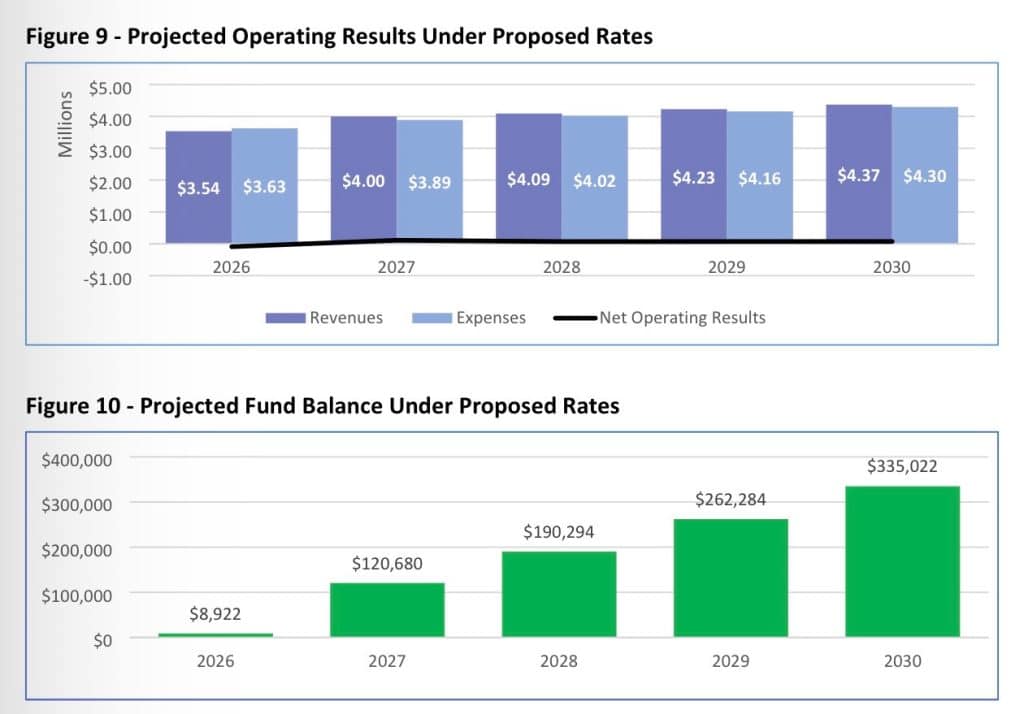
Oviedo City Council approved the trash and recycling increase on May 18 after considering Resolution 4717-26. City officials said solid waste rates had not been raised since 2021, even as costs climbed. The city’s solid waste program lost more than $134,000 in 2025 at the current rate, and projections from the city manager show the deficit could grow past $1 million by 2030 without a change. The new rate is intended to close that gap, and later annual increases are already built into the plan, with the monthly charge projected to reach about $32.16 by 2030.
Longwood’s proposal is still moving through the approval process, with a second hearing scheduled for June 1. City Manager William Watts said a recent rate study found the current fee schedule no longer covers operations, maintenance, regulatory obligations and planned capital projects, including a new water treatment plant. The increase would hit household budgets in stages over three years, but the end result would be a steep jump in the monthly cost of water service.
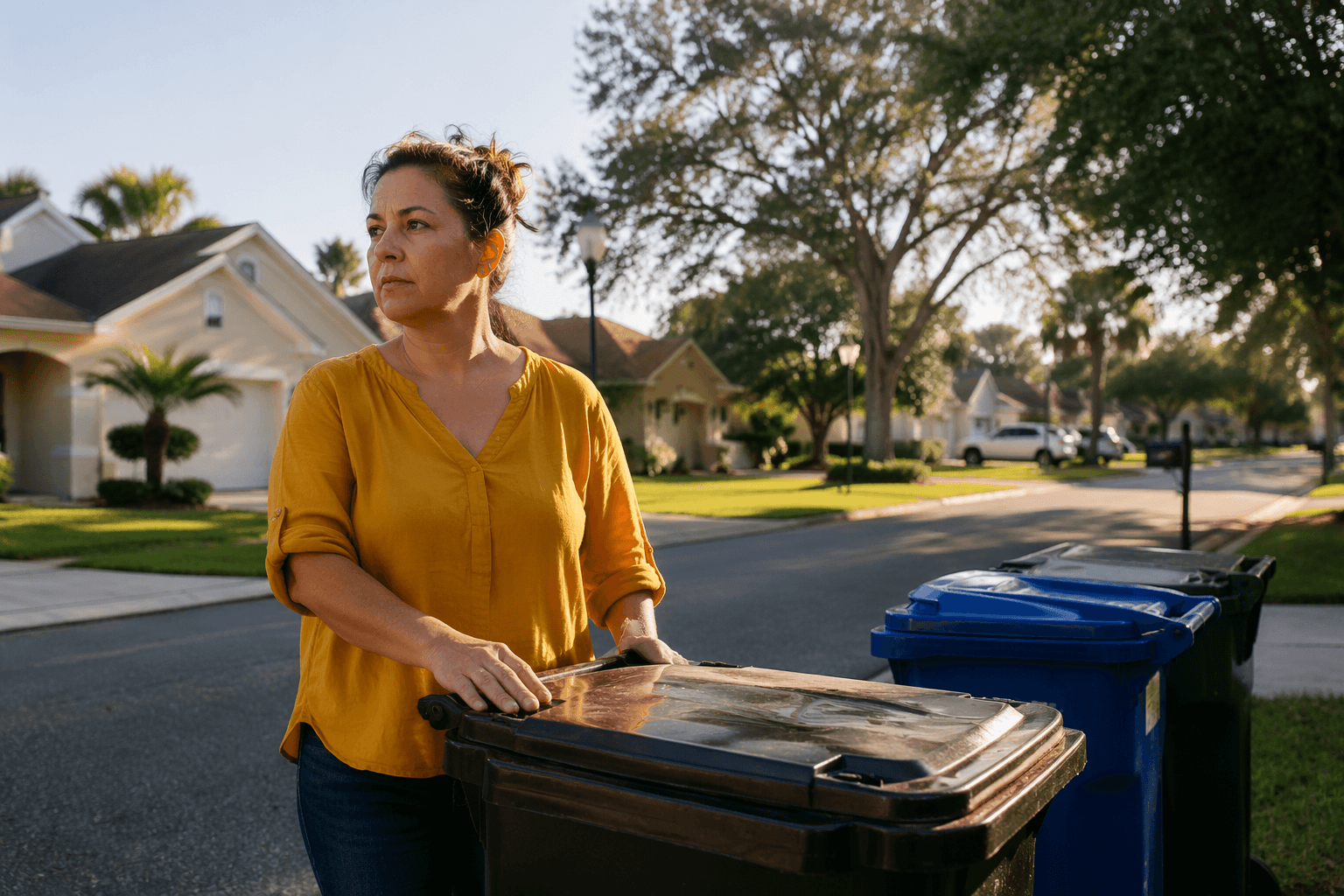
Some Longwood residents are already feeling the strain. One resident said her subdivision has dealt with water issues for the past five years, a reminder that higher rates are landing alongside unresolved service concerns. For households asked to pay more, the pressure is not just the size of the bill, but whether the money will translate into visible improvements in the system.
The local squeeze does not stop at city limits. Seminole County commissioners approved a separate increase in January 2026, raising the public service tax on water and electric bills in unincorporated Seminole County from 4% to 10%. Taken together, the moves show how quickly utility costs are becoming a front-line budget issue across Seminole County, with cities turning to fee hikes to keep basic services and infrastructure plans funded.
This article was produced by Prism’s automated news system from verified source data, official records, and press releases, then run through automated quality and moderation checks before publishing. The system is built and supervised by the people who set the standards it runs under. Read our full AI policy.
Did this article answer your question?