Sanford leaders weigh park cuts amid proposed property tax change
Sanford leaders warned an 18% revenue drop could force park cuts or sales, putting Fort Mellon Park and the splash pad families use at risk.
Sanford commissioners are weighing whether parks, playgrounds and splash pads could be among the first city services trimmed if a proposed property-tax amendment drains city revenue. At a July 14 work session, city leaders talked through a scenario in which the general fund shrinks by 18% over two years, forcing hard choices about what stays open and what gets cut.
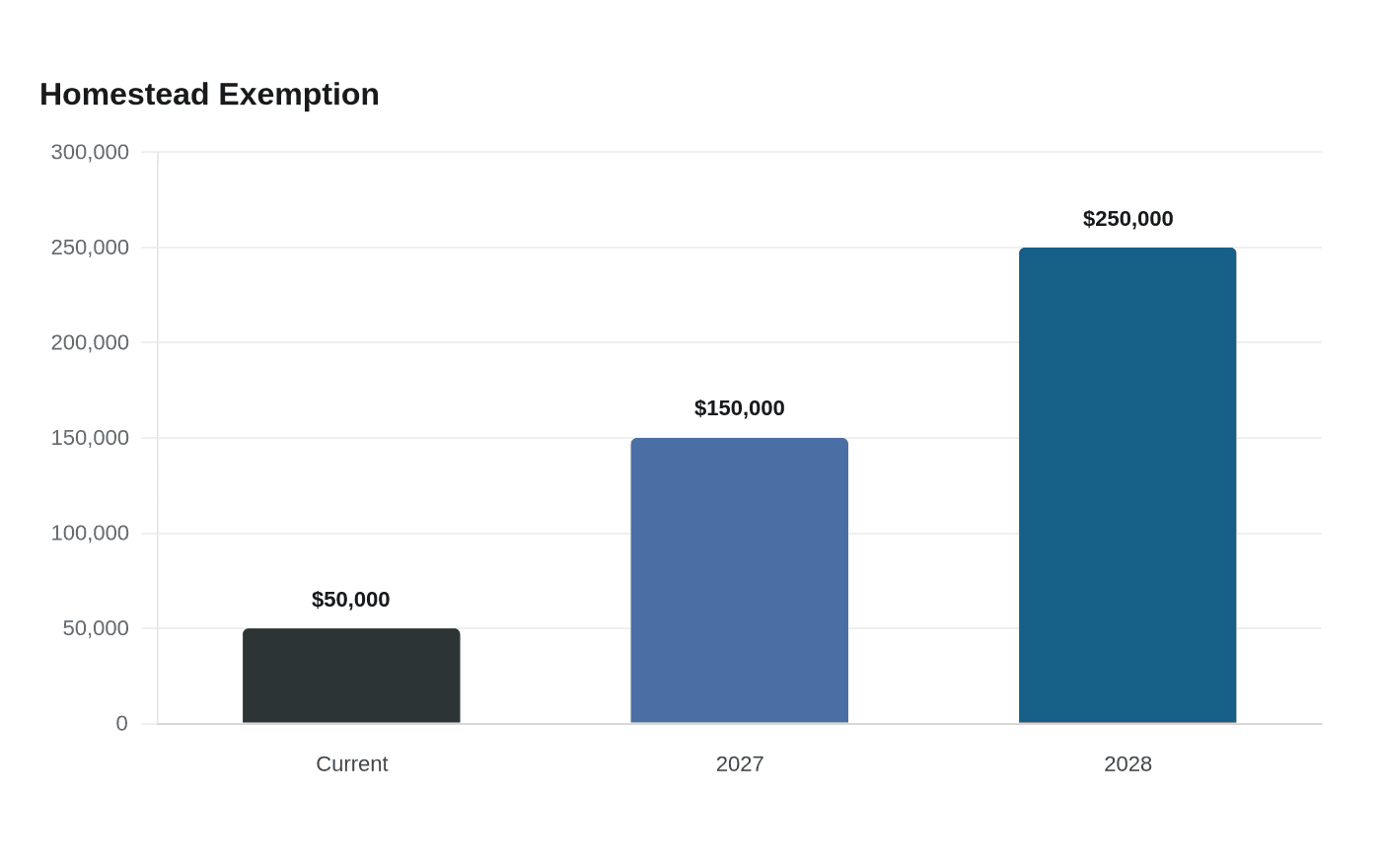
Sanford’s current General Fund budget is $85.6 million, and property taxes provide 55% of that funding. Under the proposal, the non-school homestead exemption would rise from $50,000 to $150,000 in 2027 and then to $250,000 in 2028. Sanford projects the change could hit the city by about $6 million in fiscal year 2028 and $9.3 million in fiscal year 2029, for a two-year loss of $15.3 million.
Mayor Art Woodruff said that would amount to an 18% drop in revenue over the next two years. He and other city leaders said that kind of loss could force the city to close, reduce or even sell some park assets to balance the books. The city has not named specific parks or recreation programs for elimination.
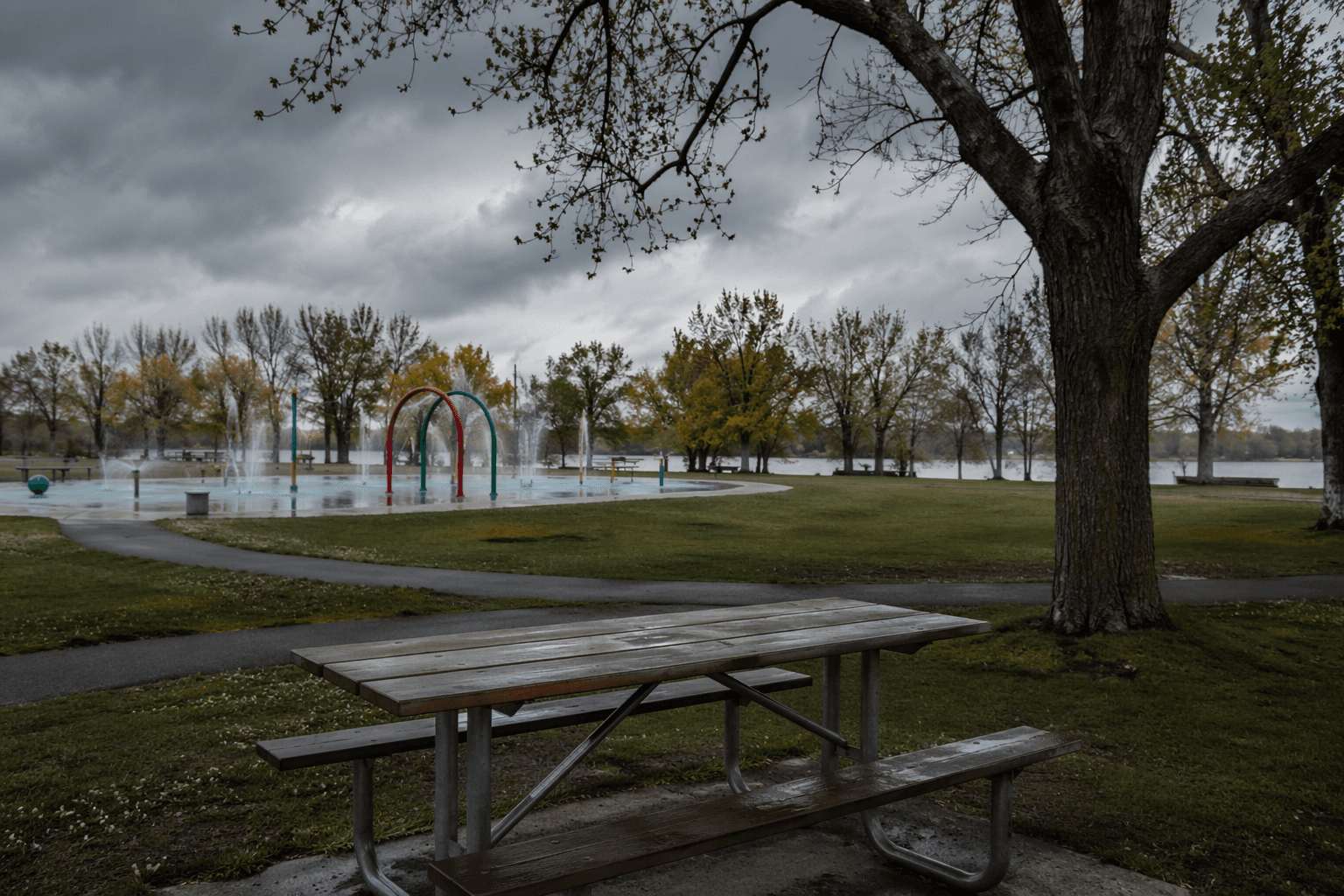
Fort Mellon Park on Lake Monroe includes a playground, riverwalk seating and a splash pad, and it is one of the city’s most familiar gathering places. Lauren Eynouf, a Sanford resident, said the park is part of her regular routine with her toddler.
The broader vote is headed to November after the Florida Legislature voted June 2 to place the amendment on the ballot. It would need 60% approval to pass. If it does, Sanford will have to look beyond parks too. Woodruff said the city is also reviewing a fire assessment fee, even though Sanford has considered that option before and rejected it twice, in 2008 and again in 2025.
This article was produced by Prism’s automated news system from verified source data, official records, and press releases, then run through automated quality and moderation checks before publishing. The system is built and supervised by the people who set the standards it runs under. Read our full AI policy.
Did this article answer your question?